That sweet puppy licks might instantly melt your heart, but beneath those playful chews and curious nips, hidden plaque and early gum inflammation can quietly set the stage for lifelong oral complications. More than 80% of dogs develop periodontal disease by their third birthday. The painful reality is that tissue damage begins long before clinical symptoms appear, often initiating within the first six months of life. The most effective solution isn’t reactive treatment; it’s a consistent, science-backed home care routine paired with professional clinical oversight.
This blog is especially for pet owners in New York who want a clear, actionable, and veterinarian-approved roadmap to dog dentistry from day one. Below, we’ll break down exactly when to introduce brushing, which tools keep developing gums safe, how to navigate the teething phase responsibly, and the warning signs that mean it’s time for a professional evaluation.
Why Early Puppy Dental Care Matters
The Hidden Risks of Untreated Oral Inflammation
Puppy teeth cleaning extends far beyond cosmetic appeal or freshening breath. It serves as a foundational pillar of preventive veterinary medicine. Here’s why timing matters:
- Deciduous teeth erupt between three and four weeks of age
- Permanent dentition replaces baby teeth between three and six months
- Gingival tissue is exceptionally delicate during this rapid developmental window
- Plaque forms within hours when food particles, saliva, and oral bacteria combine
- Tartar mineralizes within 48 hours if plaque remains undisturbed
- Subgingival buildup triggers gingivitis and immune-mediated tissue destruction
Without early intervention, inflammation progresses into periodontal disease, ultimately causing irreversible attachment loss, alveolar bone deterioration, and tooth exfoliation.
Long-Term Health & Financial Benefits of Prevention
The consequences of poor oral hygiene rarely stay confined to the mouth. Key systemic risks include:
- Bacteria enter the bloodstream through microscopic gum ulcerations
- Potential impacts on heart, liver, and kidney function
- Clinical links to endocarditis, hepatic stress, and accelerated renal decline
Conversely, establishing an early prevention puppy dental care protocol delivers powerful benefits:
- Dramatically reduced risk of systemic infections
- Avoidance of invasive, anesthesia-dependent procedures later in life
- Substantial long-term financial savings on emergency dental care
- Preservation of your dog’s comfort, appetite, and overall vitality
When & How to Start Your Puppy’s Dental Routine
The Ideal Age to Begin Brushing
New dog owners frequently ask veterinarians when to start brushing puppy teeth. The clinical recommendation is straightforward:
- Start as early as 8–10 weeks old, ideally before permanent dentition fully erupts
- Capitalize on natural curiosity and high neuroplasticity in young puppies
- Build positive associations before resistance or anxiety can develop
- Transform brushing from a forced chore into a predictable, reward-based ritual
Step-by-Step Desensitization Process
Success hinges on patience and incremental progress rather than immediate perfection. Follow this vet-approved sequence:
- Let your puppy investigate a clean, damp gauze pad or veterinary dental wipe
- Reward every calm sniff, lick, or mouth interaction with tiny training treats
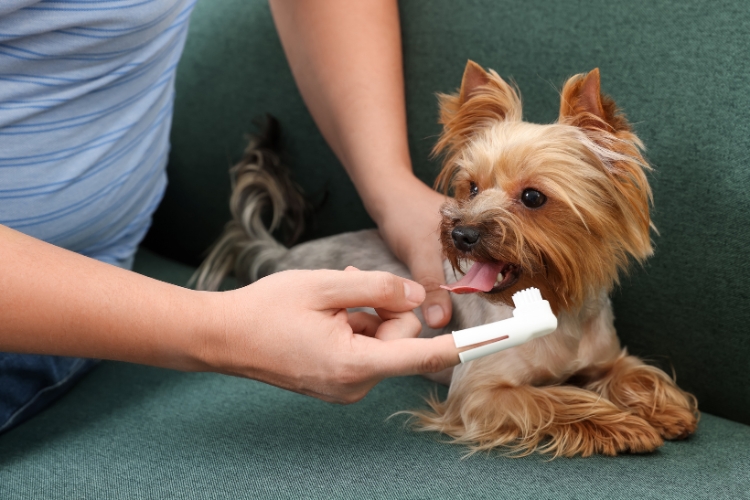
- Transition to a soft-bristle finger brush once the gauze is accepted comfortably
- Gently lift the upper lip and make only 2–3 light strokes along the outer gumline
- Keep initial sessions under 60 seconds to prevent overwhelm
- Gradually expand duration and coverage area over several weeks
- Never force the brush into a closed mouth; always conclude before frustration builds
Essential Tools for Safe & Effective Cleaning
Choosing the Right Toothbrush & Toothpaste
Using inappropriate tools can actively harm developing enamel or irritate sensitive gingival margins. Veterinarians recommend:
- Ultra-soft puppy toothbrushes with compact heads for small mouths
- Silicone finger cots for gentle gum massage and precise control
- Triple-headed brushes are designed to clean multiple surfaces simultaneously
- Veterinary-formulated enzymatic toothpaste that is fully swallowable and safe
Avoid human toothpaste entirely—it contains ingredients toxic to dogs:
- Xylitol (causes rapid insulin release and liver failure)
- Fluoride (leads to gastrointestinal distress and neurological issues)
- Sodium lauryl sulfate (irritates the oral mucosa and digestive tract)
Why Enzymatic Formulas Work Best
Enzymatic toothpaste contains active biological catalysts that deliver extended protection:
- Glucose oxidase and lactoperoxidase disrupt bacterial cell walls
- Low-level antimicrobial action continues for up to 20 minutes post-brushing
- Biofilm regrowth is inhibited between daily sessions
- Compensates for imperfect technique during early training phases
VOHC-Approved Products & What to Avoid
Always look for the Veterinary Oral Health Council (VOHC) seal of acceptance. This certification verifies:
- Clinical trials demonstrating measurable plaque and tartar reduction
- Safety testing for canine oral tissues and digestive systems
- Consistent manufacturing quality and ingredient transparency
Steer clear of these high-risk alternatives:
- DIY baking soda mixtures (alter oral pH, irritate mucosa)
- Hard plastic brush handles (potential choking or fracture hazard)
- Medicated human gels containing chlorhexidine (use only under veterinary direction)
Navigating Teething: Safe Chews & Toy Strategies
Materials That Support Gum Health
The teething phase, typically peaking between 12 and 20 weeks, creates intense gingival discomfort. Chewing provides natural counterpressure that soothes inflamed tissue. Select the best dental chews for puppies featuring:
- Pliable, rubbery textures that flex under molar pressure
- Freeze-dried compositions that fracture safely without splintering
- Raised ridges and helical patterns that massage gum tissue
- VOHC approval for proven plaque-reduction efficacy
Pro tips for teething relief:
- Offer chilled rubber toys for an immediate analgesic effect
- Freeze damp washcloths for safe, soothing gnawing sessions
- Rotate chew options weekly to maintain novelty and engagement
- Supervise all chewing to monitor wear patterns and safety
High-Risk Items to Keep Out of Reach
Not all chew items support healthy oral development. Strictly avoid:
- Real antlers and weight-bearing beef bones (extreme fracture risk)
- Compressed rawhide (splinters into indigestible, obstructive shards)
- Hard nylon polymers and rigid plastic toys (can crack enamel)
- Hooves, pig ears, and bully sticks (high bacterial load, choking hazard)
Prioritize single-ingredient, easily digestible alternatives and always supervise chewing sessions.
Diet & Hydration for Strong Puppy Teeth
Kibble Texture & Plaque Reduction
What lands in the food bowl directly influences oral bacterial populations and enamel integrity. Veterinary nutritionists recommend:
- Premium kibble with a slight mechanical abrasive action to scrape soft plaque
- Appropriate particle size to encourage thorough chewing without excessive force
- Controlled hardness to support jaw development without risking tooth fracture
- Limited wet food feeding; if used, brush shortly after to remove adherent debris
Omega Fatty Acids & Hydration Benefits
Nutritional supplementation plays a crucial supporting role in periodontal resilience:
- Omega-3 and omega-6 fatty acids (from fish oil or flaxseed) modulate inflammatory pathways
- Strengthen the gingival connective tissue, reducing recession and bleeding risk
- Fresh water access stimulates saliva production for natural antibacterial rinsing
- Multiple clean water stations encourage frequent drinking and oral hygiene
Warning Signs That Require Veterinary Intervention
Common Red Flags Every Owner Should Know
Diligent home care significantly reduces disease risk, but it cannot eliminate all clinical complications. Contact your veterinarian immediately if you observe:
- Persistent halitosis that does not improve after brushing
- Pronounced redness or swelling along the gum margins
- Spontaneous bleeding when toys are picked up or during brushing
- Excessive drooling or frequent pawing at the muzzle
- Reluctance to chew firm kibble or sudden preference for soft foods
- Visible yellow-brown calculus buildup, fractured crowns, or mobile teeth
When Retained Baby Teeth Become a Problem
As permanent dentition erupts, deciduous roots should naturally resorb and fall out. When a baby tooth persists alongside its permanent successor:
- Overcrowding traps food debris and creates inaccessible plaque niches
- Malocclusion may alter normal bite mechanics and jaw development
- Chronic localized infection risk increases significantly
- Veterinarians typically recommend extraction under light sedation between 6 and 8 months
Building a Consistent, Lifelong Dental Habit
Early oral hygiene is not a temporary puppy phase; it is a permanent wellness commitment. Maintain long-term success with these habits:
- Brush daily using gentle, positive-reinforcement techniques
- Refresh worn brush heads every 2–3 months for optimal plaque removal
- Rotate VOHC-approved dental aids to sustain engagement and efficacy
- Schedule comprehensive oral examinations during annual wellness visits
- Discuss prophylactic cleanings under anesthesia when clinical tartar exceeds home-care thresholds
Dogs receiving consistent preventive care consistently demonstrate fewer systemic complications and measurably extended lifespans.
Proactive Dental Care for Lifelong Canine Health
Proactive oral hygiene protects your dog from chronic pain, expensive treatments, and preventable systemic illness. At Pure Paws Veterinary Care of Clinton Hill, our veterinary team delivers comprehensive puppy dental exams, personalized home-care coaching, and gentle preventive strategies designed to ensure optimal oral health and lifelong comfort for your growing pup.
If you’re in New York, don’t wait for discomfort to signal a problem. Book an appointment with Pure Paws Veterinary Care of Clinton Hill today to schedule a baseline wellness check and professional dental assessment. Your puppy’s healthiest years start with one proactive step.
Frequently Asked Questions
1: How often should I brush my puppy’s teeth?
A: Veterinarians recommend daily brushing. If daily isn’t feasible, aim for at least four to five times per week to prevent plaque from hardening into irreversible tartar.
2: Do dental chews replace brushing?
A: No. While VOHC-approved chews help reduce surface plaque and stimulate gums, they cannot clean below the gumline or reach every tooth surface. Chews should always supplement, not replace, manual brushing.
3: When should my puppy get a professional dental cleaning?
A: Most veterinarians recommend the first professional evaluation between 12 and 18 months. Your vet will assess tartar accumulation, gum pocket depth, and bite alignment to determine the safest cleaning schedule.
4: What if my puppy bites the toothbrush during training?
A: Redirect the behavior calmly, pause the session, and reward non-chewing interactions. Use positive reinforcement, keep brushes out of reach when not in use, and gradually reintroduce gentle handling until mouthing decreases.
5: Can I use human toothpaste for my puppy?
A: Absolutely not. Human toothpaste contains xylitol, fluoride, and harsh detergents that are highly toxic to dogs and can cause severe gastrointestinal distress or neurological complications.