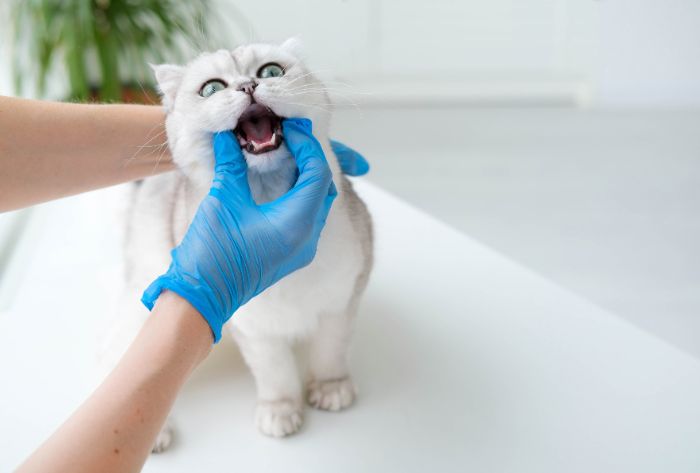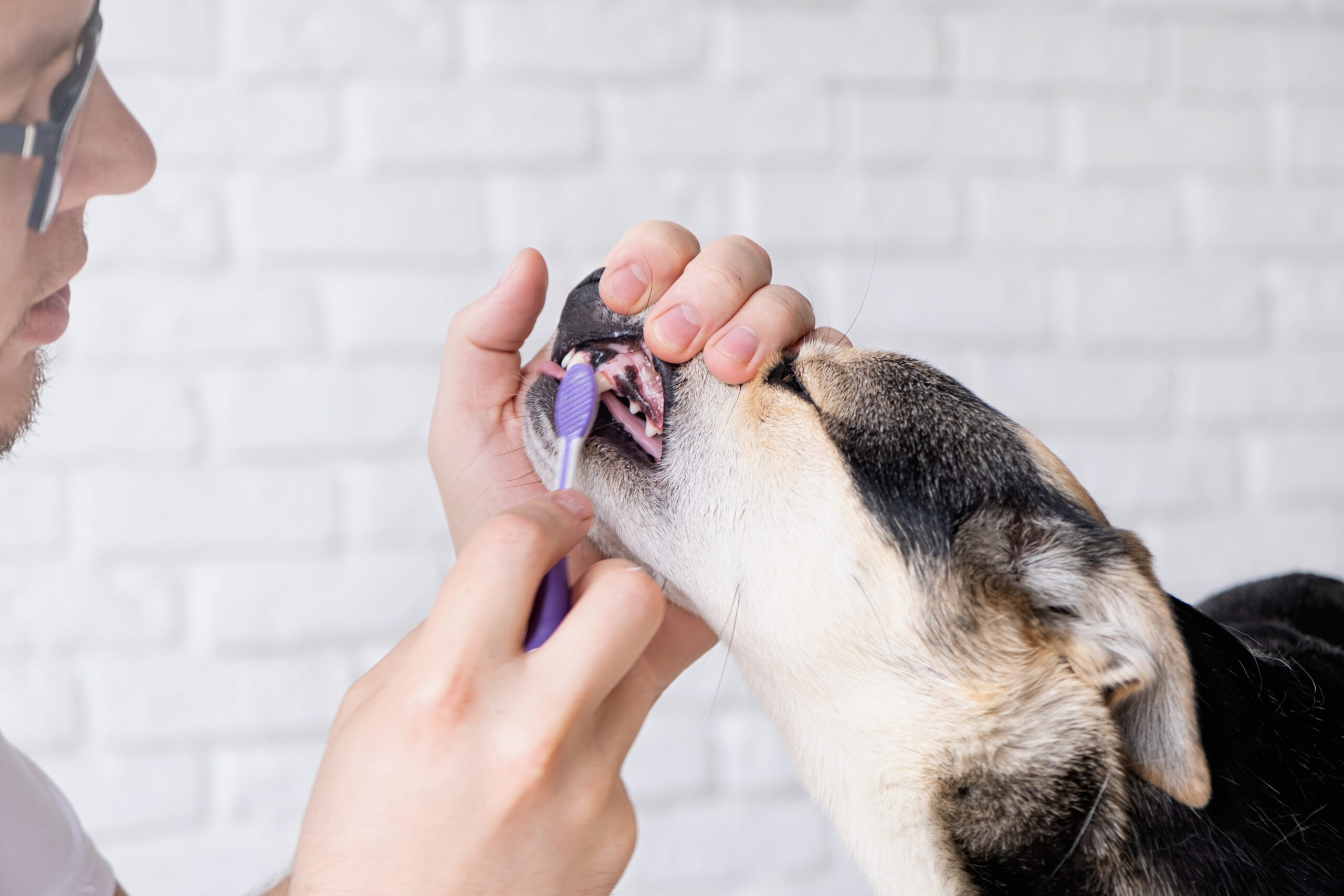
Brushing your dog’s teeth is an essential part of maintaining their overall health. While it might seem like a challenging task, with the right technique and tools, it can become a simple and stress-free routine. Just like humans, dogs are prone to dental issues, including plaque buildup, gum disease, and bad breath. Regular brushing is one of the most effective ways to prevent these problems and keep your dog’s smile bright and healthy. In this blog, we’ll guide you through the easiest way to brush a dog’s teeth, offering practical tips to make it a hassle-free experience for both you and your pet.
1. Start with the Right Tools
The first step to brushing your dog’s teeth is having the proper tools. You wouldn’t use regular toothpaste and a human toothbrush on your dog, so it’s important to invest in dog-specific dental supplies. Here’s what you’ll need:
- Dog toothbrush: A soft-bristled toothbrush designed for dogs, or a finger brush, which fits over your finger for better control.
- Dog toothpaste: Never use human toothpaste, as it contains ingredients that can harm dogs if swallowed. Look for a toothpaste formulated specifically for dogs, which is safe to swallow and often comes in flavors your pet will enjoy, like poultry or peanut butter.
- Dental wipes or sprays: These are alternatives for brushing if your dog is particularly sensitive to toothbrushes.
Once you have the right tools, you’re ready to move on to the next step.
2. Get Your Dog Used to the Process
If your dog isn’t used to having their teeth brushed, it’s important to take things slowly. Gradually introduce the idea of brushing by touching your dog’s mouth and teeth gently, even before using the toothbrush. This helps them get used to having their mouth handled.
- Start with a gentle touch: Gently rub your dog’s gums and teeth with your fingers or a soft cloth. Let them sniff the toothpaste and become familiar with the taste.
- Create a positive association: Offer plenty of praise and rewards to help your dog associate the process with something enjoyable. This can make future brushing sessions easier and less stressful.
3. Position Your Dog Comfortably
The key to successful tooth brushing is positioning your dog correctly. Whether you choose to brush their teeth standing, sitting, or lying down, it’s important that both you and your dog are comfortable. Here’s how to make the process easier:
- Calm and quiet environment: Choose a calm and quiet place where you and your dog won’t be distracted. You may want to do this in an area where your dog feels comfortable, like on their bed or a favorite blanket.
- Gentle restraint: If your dog is squirming or nervous, you can gently hold them in place. You may need someone to help you or use a leash to prevent your dog from moving too much.
4. Use the Right Technique
Now that your dog is in a comfortable position, it’s time to start brushing. Follow these steps for effective and stress-free brushing:
- Apply a small amount of toothpaste: Squeeze a small amount of dog toothpaste onto the toothbrush. Start with a small amount to avoid overwhelming your dog with the flavor.
- Gently brush the teeth: Begin by brushing the outer surfaces of your dog’s teeth using gentle circular motions. Focus on the back teeth, where plaque tends to build up the most.
- Be thorough but gentle: Aim to brush for about 30 seconds to 1 minute per side of the mouth. Avoid brushing too hard, as it can irritate your dog’s gums.
- Brush the gums: Don’t forget to gently brush the gums. This helps to remove any plaque buildup and keeps the gum tissue healthy.
- Reward and praise: After brushing, immediately reward your dog with praise or a small treat. This will help reinforce positive behavior and make future brushing sessions more enjoyable.
5. Brush Regularly
To maintain your dog’s dental health, aim to brush their teeth at least 2–3 times a week. The more frequently you brush, the better the results will be in preventing plaque buildup and gum disease. Make brushing a part of your dog’s regular grooming routine, just like nail trims or baths.
If your dog is particularly resistant to brushing, you can start with once a week and gradually increase the frequency as they get more comfortable.
Brushing your dog’s teeth is an important part of maintaining their overall health. With the right tools, technique, and patience, you can make this process easy and stress-free for both you and your dog. While some dogs may initially resist tooth brushing, with practice and positive reinforcement, most dogs can learn to tolerate or even enjoy the experience. Regular brushing, along with routine veterinary checkups and professional pet dental care in New York, can go a long way in preventing dental problems and keeping your dog’s mouth fresh and healthy.
FAQs
Q1. How often should I brush my dog’s teeth?
Ans. Ideally, you should brush your dog’s teeth at least 2–3 times a week to prevent plaque buildup and dental issues.
Q2. Can I use human toothpaste on my dog?
Ans. No, human toothpaste contains fluoride, which is toxic to dogs. Always use toothpaste specifically designed for dogs.
Q3. What if my dog doesn’t like having their teeth brushed?
Ans. Start by getting your dog used to having their mouth handled. Use positive reinforcement and gradually introduce the toothbrush and toothpaste to make them more comfortable.
Q4. Are there any alternatives to brushing my dog’s teeth?
Ans. Yes, you can use dental chews, wipes, or water additives as alternatives, but brushing remains the most effective way to maintain your dog’s oral health.
Q5. Can dental chews replace brushing my dog’s teeth?
Ans. While dental chews can help reduce plaque, they should not replace brushing. Regular brushing is still the best way to keep your dog’s teeth clean.
Q6. How can I tell if my dog has dental problems?
Ans. Signs of dental problems include bad breath, swollen or bleeding gums, difficulty eating, or yellow/brown tartar buildup. If you notice any of these signs, consult your veterinarian for a checkup.