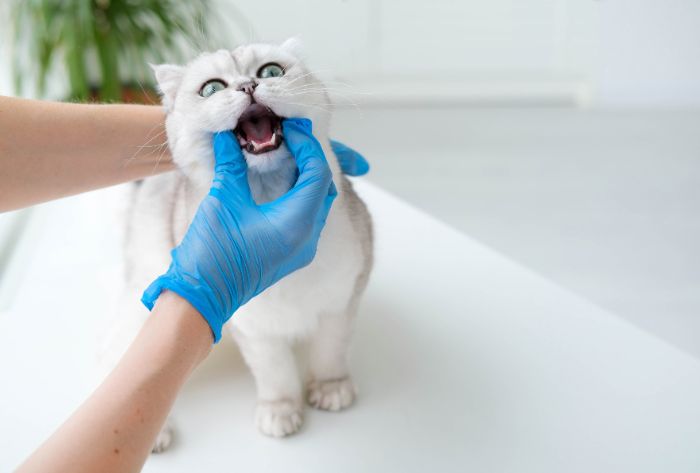
A pet rarely shows sudden illness without earlier signals, yet those early hints often go unnoticed during busy routines. Small changes in behavior, appetite, or energy can reveal underlying health concerns long before they become severe. Recognizing these early signs helps you respond sooner and support better long-term wellness for your animal companion.
If you’re a pet owner in Hudson Square, NY, this blog is especially for you. Understanding symptoms early and seeking diagnostic care can make daily pet management more reassuring. When something feels off, consider scheduling a visit with Pure Paws Veterinary Care of Hudson Square.
Early Subtle Behavioral Shifts Your Pet Shows
Pets communicate discomfort through behavior before physical symptoms become obvious. Paying attention to daily patterns helps you notice when something is off.
- Increased hiding behavior: Sudden isolation or avoidance may signal discomfort, stress, or internal pain.
- Unusual clinginess: Constant following or attention-seeking can indicate anxiety or physical unease.
- Reduced interest in play: A once-active pet that has become disinterested may reflect early stages of illness.
- Changes in sleep patterns: Restlessness or excessive sleeping can point to metabolic or neurological changes.
Behavioral shifts are often the earliest clue that something deeper is developing, making observation a key part of preventive care.
Early Appetite Changes Indicating Possible Health Concerns
Food habits reveal a lot about a pet’s internal health. Even slight changes should be taken seriously when they persist.
- Sudden food refusal: Skipping meals may indicate dental pain, digestive upset, or infection.
- Overeating without weight gain: Hormonal or metabolic issues may be influencing appetite regulation.
- Selective eating habits: Avoiding certain textures or flavors can signal oral discomfort.
- Drinking more or less water: Hydration changes often connect to kidney or endocrine conditions.
Monitoring feeding behavior daily helps detect issues early, allowing timely intervention before conditions worsen.
Early Skin and Coat Signals to Notice
Skin and coat condition often reflects internal health. Small external changes can reveal underlying issues.
- Excessive scratching or licking: Persistent irritation may indicate allergies or parasites.
- Dull or thinning coat: Loss of shine or patchy fur can reflect nutritional deficiencies.
- Redness or hot spots: Inflamed areas of skin may suggest infection or an allergic reaction.
- Unexpected shedding patterns: Sudden changes in shedding can signal a hormonal imbalance.
Observing grooming habits and coat quality provides valuable insight into your pet’s overall wellness.
Breathing Patterns That Require Close Attention Changes
Respiratory changes can develop gradually but should never be overlooked. Subtle differences often indicate deeper concerns.
- Short, shallow breathing: May signal pain, stress, or cardiovascular strain.
- Occasional coughing or wheezing: Could indicate respiratory irritation or infection.
- Heavy breathing during rest: Often linked to heart or lung conditions.
- Unusual nasal discharge: Changes in nasal mucus may indicate an infection or allergies.
Breathing patterns are a strong indicator of internal stability, making consistent observation important.
Digestive Irregularities You Should Never Ignore
Digestive health often reflects how well the body is functioning internally. Small disruptions may escalate quickly if ignored.
- Intermittent vomiting: Repeated episodes may suggest dietary intolerance or gastrointestinal illness.
- Irregular stool consistency: Changes in texture can indicate an infection or a dietary imbalance.
- Straining during elimination: Discomfort may point to obstruction or inflammation.
- Reduced appetite with bloating: Can signal serious digestive tract issues.
Tracking digestive patterns helps you identify health changes before they become severe complications.
Sudden Energy Level Drops and Mobility Issues
Energy levels and movement patterns reveal a pet’s physical condition. Any decline should be noted early.
- Reluctance to climb stairs: Joint pain or arthritis may be developing.
- Slower walking pace: Reduced stamina often connects to systemic health issues.
- Difficulty standing after rest: Stiffness may indicate musculoskeletal problems.
- Avoiding physical activity: A clear sign of discomfort or internal imbalance.
Mobility changes often progress gradually, making early recognition essential for maintaining quality of life.
The team at Pure Paws Veterinary Care of Hudson Square continues to support pets with steady attention to early symptom detection and ongoing monitoring. Our approach encourages careful evaluation of subtle health changes before they escalate.
Oral Health Signs Hidden in Pet Issues
Dental health often connects directly to overall wellness. Oral problems frequently go unnoticed until they affect eating behavior or comfort.
- Persistent bad breath: Ongoing odor may indicate gum disease or infection.
- Difficulty chewing food: Pain or dental decay may be present.
- Drooling more than usual: Often linked to oral discomfort or foreign objects.
- Pawing at the mouth: Can indicate irritation or tooth pain.
Oral observation plays an important role in identifying early systemic issues.
Medical When Subtle Symptoms Need Urgent Attention
Some symptoms require prompt action to prevent worsening. Recognizing urgency helps protect long-term health outcomes.
- Sudden collapse or weakness: May indicate severe internal or neurological issues.
- Continuous vomiting or diarrhea: Can lead to rapid dehydration.
- Seizure-like activity: Requires immediate evaluation and stabilization.
- Complete refusal of food or water: Signals potential serious illness.
Early response improves the likelihood of effective management and recovery.
Encouraging Timely Care for Lasting Pet Wellness
When early signs appear, timely action can significantly influence your pet’s comfort and recovery. Observing daily changes and seeking structured evaluation helps prevent minor issues from becoming complex health challenges. A proactive approach supports stronger long-term wellness and reduces unnecessary distress for both you and your pet.
If you need reliable support for early symptom evaluation of your pet’s health, book an appointment online with Pure Paws Veterinary Care of Hudson Square. We can help guide your next steps. Our team will help you identify concerns early and clarify ongoing care needs.
Frequently Asked Questions
1. What subtle behavior shift signals early discomfort in pets?
A sudden change in interaction patterns, such as withdrawal or clinginess, often signals early discomfort. Monitoring consistency in behavior helps identify when something may be developing internally.
2. How do appetite fluctuations relate to hidden health issues?
Appetite changes often connect to digestive, dental, or hormonal concerns. Even short-term shifts can indicate early-stage conditions that require closer observation and possible evaluation.
3. Can minor coat changes indicate internal problems?
Yes, dullness, shedding changes, or patchy fur can reflect nutritional deficiencies, allergies, or hormonal imbalance. Coat condition often mirrors internal health status.
4. Why do breathing changes appear before other symptoms?
Respiratory shifts may occur early due to stress on the heart, lungs, or airways. Even slight variations in breathing can signal developing conditions.
5. What mobility changes should raise concern quickly?
Reluctance to move, stiffness after rest, or reduced activity levels may indicate joint or systemic issues. Early attention helps manage progression effectively.