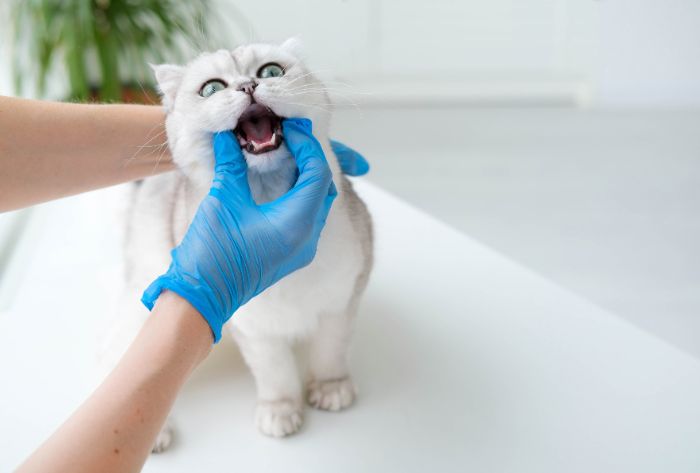
Diagnosing cancer in dogs can be overwhelming for pet owners, but it’s crucial to recognize that treatment options are available. Although cancer is a serious illness, many dogs can enjoy a good quality of life with proper treatment and care. Options such as surgery and chemotherapy offer ways to manage and potentially treat dog cancer.
What is Dog Cancer?
Dog cancer is caused by abnormal cells growing uncontrollably in any part of a dog’s body. It is a common issue, especially in older dogs, and can result from genetics, environment, or lifestyle factors. Symptoms vary depending on the type of cancer and the affected organs, but they often include lumps on the skin, unexpected weight loss, loss of appetite, vomiting, and behavioral changes.
The good news is that many forms of dog cancer can be treated successfully, particularly when caught early. Regular visits to the veterinarian and watching for health changes can play a crucial role in managing the disease.
Surgical Treatment for Dog Cancer
One primary treatment for dog cancer is surgery, especially for localized tumors that haven’t spread. Its aim is to remove as much cancerous tissue as possible, improving prognosis and reducing the risk of spread.
Tumor Removal
If a tumor is accessible and can be excised entirely, surgery might offer the best chance of a cure. Tumors located on the skin or close to the surface are usually the simplest to remove, and the recovery period tends to be relatively short.
Preventing Metastasis
If your dog has a tumor that has started to spread, surgery can still be helpful to remove the primary tumor and stop it from spreading further. Although this treatment may not completely cure the illness, it can help your dog live longer and enjoy a better quality of life.
Dr. Liff from Pure Paws Veterinary Care explains, “Certain breeds, such as Golden Retrievers, exhibit a higher predisposition to specific types of canine cancer, including lymphoma and osteosarcoma. Early surgical intervention is essential to excise malignant growths prior to metastasis.”
Chemotherapy
Chemotherapy uses special medicines to target and destroy cancer cells that grow quickly. It is commonly used to treat cancers such as lymphoma, mast cell tumors, and certain sarcomas. While chemotherapy can be effective in treating cancer in dogs, it may cause side effects like nausea, loss of appetite, and fatigue. Fortunately, these effects are usually temporary, and your veterinarian can recommend medications to help manage them.
Radiation Therapy
Radiation therapy uses high-energy radiation to target and destroy cancer cells. It is often chosen when surgery is not an option or when tumors are in sensitive areas. This treatment can effectively shrink tumors and relieve pain, especially in dogs with cancers of the mouth, nose, or brain.
Immunotherapy for Dog Cancer
Immunotherapy is a modern treatment for dog cancer that works by strengthening the dog’s immune system to help fight the disease. It is often used alongside other treatments such as surgery and chemotherapy. This approach can be especially helpful for cancers like melanoma and lymphoma, providing a focused option for the well-being of the dog.
Vaccines
Some immunotherapies include cancer vaccines that help the dog’s immune system recognize and target cancer cells. An example of such a vaccine is the melanoma vaccine, which is available for dogs with melanoma, a type of skin cancer.
Monoclonal Antibodies
Monoclonal antibody therapy is a type of immunotherapy that uses specific antibodies to target and eliminate cancer cells. Although it is a relatively new approach in veterinary medicine, it has shown promising results for certain types of cancer in dogs.
Palliative Care for Dogs With Cancer
When cancer cannot be treated successfully, palliative care aims to improve the dog’s quality of life. This approach involves managing symptoms such as pain, nausea, and loss of appetite while making the dog as comfortable as possible during their remaining time.
Pain Management
Pain is a major concern for dogs with advanced cancer. Medications like opioids, NSAIDs, and corticosteroids help manage pain and inflammation, improving comfort. Palliative care aims to relieve pain so dogs can enjoy daily activities.
Nutritional Support
Many dogs with cancer often lose their appetite, which can result in weight loss and poor nutrition. Providing nutritional support such as high-calorie foods, appetite stimulants, and supplements can help maintain their strength and support overall health.
Hydration Therapy
Dehydration is frequently seen in dogs with advanced cancer. Administering fluids via intravenous or subcutaneous methods can support hydration and help preserve organ function.
Preventing Dog Cancer and Early Detection
While some cancers are genetic and unavoidable, there are steps you can take to reduce the risk of dog cancer and catch it early.
Maintain a Healthy Weight
Obesity is a risk factor for several types of cancer in dogs. Feeding your dog a balanced diet and ensuring they get regular exercise can help prevent obesity and reduce the risk of cancer.
Regular Veterinary Checkups
Routine wellness exams and regular screenings can help detect cancer early. Early detection can greatly improve the chances of successful treatment and increase the dog’s life expectancy.
Avoid Environmental Toxins
Limiting exposure to environmental toxins, such as secondhand smoke, pesticides, and chemicals in household cleaners, can help reduce your dog’s risk of developing cancer.
Giving Your Dog the Best Chance
Understanding the treatment options for dog cancer is important to give your pet the best chance at living a longer, healthier life. While treatments can be costly and emotionally demanding, a proper combination of surgery, chemotherapy, radiation, and palliative care can significantly enhance your dog’s quality of life and help them spend more time with you.
If you’re worried about your dog’s health or think they might have cancer, please don’t hesitate to get in touch with your veterinarian. Book an appointment with your local qualified veterinary clinic today for guidance and support with personalized cancer treatment plans tailored for your furry friend.
FAQs
Q1. Are there side effects to chemotherapy in dogs?
Ans. Yes, chemotherapy can cause side effects such as nausea, vomiting, loss of appetite, and fatigue. However, these side effects are often temporary, and medications can help manage them.
Q2. What is radiation therapy for dogs?
Ans. Radiation therapy employs high-energy rays to target and eliminate cancer cells, especially in cases where tumors are difficult to access or when surgery isn’t feasible.
Q3. How can immunotherapy help dogs with cancer?
Ans. Immunotherapy assists in stimulating the canine immune system to identify and combat cancerous cells. As a relatively recent approach, it has demonstrated promising outcomes in the treatment of specific cancers such as melanoma.
Q4. Can my dog get cancer from secondhand smoke?
Ans. Yes, secondhand smoke exposure can raise the risk of specific cancers in dogs, such as lung cancer. It’s crucial to prevent your dog from being exposed to smoke and environmental toxins.
Q5. How often should my dog have checkups to detect cancer early?
Ans. Regular checkups every six to twelve months can help detect dog cancer early. Senior dogs may require more frequent visits due to their higher risk of cancer.