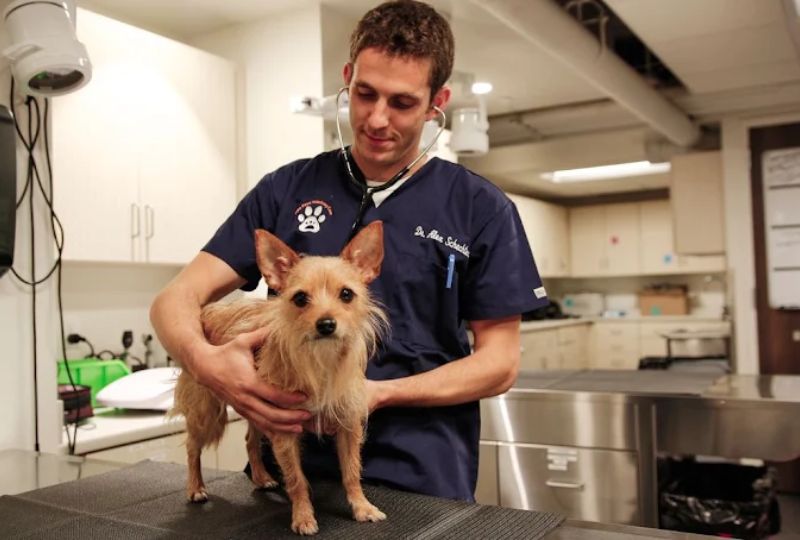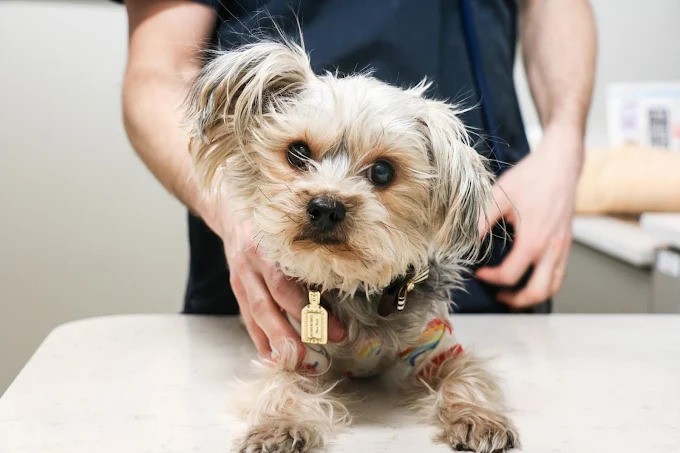
Many pet owners assume that if their dog or cat looks healthy, everything is fine. However, pets are remarkably skilled at hiding discomfort and illness. In fact, many medical conditions develop silently for months or even years before noticeable symptoms appear. By the time obvious signs emerge, treatment may become more complex and expensive.
This is why preventive veterinary care is so important. Regular wellness visits allow veterinary professionals to identify subtle changes in your pet’s health long before they impact daily life. Through physical examinations, diagnostic testing, and ongoing monitoring, potential concerns can often be detected in their earliest stages.
Early detection not only improves treatment outcomes but also helps pets enjoy longer, healthier, and more comfortable lives. For pet owners in New York, proactive veterinary care can make a significant difference in maintaining lifelong wellness.
Why Early Detection Matters
Many common pet health conditions begin quietly. During the early stages, pets often continue eating, playing, and behaving normally. As a result, owners may not realize anything is wrong.
Some conditions that frequently develop without obvious symptoms include:
- Kidney disease
- Heart disease
- Diabetes
- Liver disorders
- Dental disease
- Thyroid imbalances
- High blood pressure
- Certain cancers
When these conditions are identified early, treatment options are often more effective. Additionally, early intervention may slow disease progression and improve your pet’s quality of life.
The Role of Routine Wellness Exams
Regular wellness exams serve as one of the most powerful tools for identifying hidden health concerns.
During a routine visit, veterinary professionals evaluate many aspects of your pet’s health, including:
- Weight and body condition
- Heart and lung function
- Skin and coat health
- Eye and ear condition
- Oral health
- Joint mobility
- Behavior and activity levels
These assessments establish a baseline for your pet’s overall wellness. Over time, even small changes can alert veterinary teams to potential problems.
Identifying Subtle Physical Changes
Many health issues first appear as minor physical changes that pet owners may overlook.
Examples include:
- Slight weight loss
- Mild weight gain
- Small skin abnormalities
- Changes in muscle mass
- Early joint stiffness
- Minor dental issues
Because veterinary professionals regularly evaluate pets, they are trained to recognize these subtle warning signs before they become serious concerns.
Comprehensive Physical Examinations
A thorough physical examination provides valuable information about your pet’s overall health.
Listening to the Heart and Lungs
Abnormal heart rhythms or unusual lung sounds may indicate underlying cardiovascular or respiratory issues.
In many cases, pets show no outward symptoms despite developing internal problems. Early detection allows for further testing and timely treatment.
Evaluating Body Condition
Body condition scoring helps determine whether a pet is underweight, overweight, or maintaining a healthy condition.
Even modest weight changes can signal:
- Hormonal disorders
- Metabolic diseases
- Nutritional deficiencies
- Organ dysfunction
Routine monitoring helps uncover these concerns before more obvious symptoms develop.
Checking Skin and Coat Health
The skin often provides important clues about internal health.
Changes such as:
- Excessive shedding
- Dry skin
- Hair loss
- Persistent itching
- Skin discoloration
may indicate allergies, hormonal imbalances, infections, or other underlying conditions.
Diagnostic Testing Reveals Hidden Problems
Physical exams are important, but diagnostic testing often uncovers conditions that cannot be detected through observation alone.
Blood Testing
Routine blood work evaluates numerous aspects of your pet’s health.
These tests can help identify:
- Kidney function abnormalities
- Liver disease
- Blood cell disorders
- Infections
- Endocrine conditions
- Metabolic concerns
Many of these problems can be detected months before symptoms become noticeable.
Urinalysis
Urine testing provides valuable information about:
- Kidney health
- Urinary tract function
- Hydration status
- Diabetes risk
- Infection presence
Combined with blood testing, urinalysis offers a more complete picture of internal health.
Fecal Screening
Intestinal parasites often cause minimal symptoms during the early stages.
Routine fecal testing helps detect parasites before they affect your pet’s health or spread to other animals.
Dental Examinations and Hidden Disease Detection
Dental disease is one of the most common yet overlooked health problems in pets.
Many animals continue eating normally despite experiencing oral discomfort.
Routine dental evaluations help identify:
- Gum inflammation
- Plaque buildup
- Tooth fractures
- Oral infections
- Tooth root disease
Left untreated, dental disease can contribute to health complications affecting other parts of the body.
Early treatment supports both oral health and overall wellness.
Monitoring Senior Pets More Closely
As pets age, their risk for chronic diseases increases. Consequently, regular screenings become even more important.
Senior pets may benefit from:
- More frequent wellness exams
- Comprehensive blood panels
- Blood pressure monitoring
- Imaging studies
- Thyroid testing
These evaluations help detect age-related conditions before symptoms interfere with daily life.
Detecting Arthritis Early
Arthritis often develops gradually.
Pets may not show obvious limping initially. Instead, owners may notice subtle signs such as:
- Reduced activity
- Difficulty jumping
- Slower movements
- Reluctance to climb stairs
Veterinary assessments can identify these changes early and support better mobility management.
Advanced Diagnostic Imaging
When physical examinations or laboratory tests indicate potential concerns, imaging technology may provide additional insight.
Digital Radiographs
X-rays help evaluate:
- Bone health
- Joint condition
- Heart size
- Lung abnormalities
- Internal organ changes
Many internal conditions become visible through imaging long before symptoms develop.
Ultrasound Examinations
Ultrasound technology allows veterinary professionals to view internal organs in real time.
This can help identify:
- Organ abnormalities
- Tumors
- Fluid accumulation
- Structural changes
Early diagnosis often creates more treatment options and improves outcomes.
Monitoring Lifestyle and Behavioral Changes
Veterinary professionals do not rely solely on medical testing. They also evaluate behavior and lifestyle patterns.
Changes in behavior may signal health concerns such as:
- Chronic pain
- Cognitive decline
- Hormonal imbalances
- Anxiety-related conditions
- Neurological disorders
Discussing your pet’s daily habits during wellness visits provides valuable information that supports early detection.
The Value of Preventive Screening Programs
Preventive screening programs are designed to identify diseases before symptoms become apparent.
Benefits include:
- Earlier diagnosis
- More treatment options
- Better long-term outcomes
- Reduced medical expenses
- Improved quality of life
Rather than waiting for illness to develop, preventive care focuses on maintaining health and reducing risk.
Building a Health History Over Time
One of the greatest advantages of routine veterinary visits is the ability to track your pet’s health over the years.
Historical health records allow veterinary professionals to identify:
- Long-term trends
- Gradual changes
- Emerging risk factors
- Responses to treatment
This information helps create personalized care plans tailored to your pet’s individual needs.
A trusted veterinarian in New York can use this ongoing health history to provide proactive recommendations that support lifelong wellness.
How Pet Owners Can Help Detect Problems Early
Pet owners play a vital role in early disease detection.
You know your pet better than anyone else. Therefore, paying attention to daily habits can help identify concerns quickly.
Watch for:
- Appetite changes
- Increased thirst
- Weight fluctuations
- Changes in energy level
- Mobility difficulties
- Behavioral shifts
Reporting these observations during wellness visits provides valuable information for veterinary evaluations.
Choosing a Veterinary Team Focused on Preventive Care
Preventive healthcare requires a collaborative approach between pet owners and veterinary professionals.
A skilled veterinarian combines routine examinations, advanced diagnostics, and personalized care strategies to identify health concerns before symptoms appear.
This proactive approach helps protect your pet’s health while providing peace of mind for pet owners.
Conclusion
Many serious health conditions begin silently, making early detection one of the most important aspects of veterinary medicine. Through routine wellness exams, diagnostic testing, dental evaluations, and ongoing monitoring, veterinary professionals can identify potential problems long before they affect your pet’s daily life.
By investing in preventive care, pet owners can support longer lifespans, improved comfort, and better overall health for their beloved companions.
If you’re in New York and looking for a veterinarian near you, schedule an appointment with Pure Paws Veterinary Care of Hell’s Kitchen. Our veterinary team is committed to providing comprehensive preventive care, advanced diagnostics, and personalized treatment plans that help keep your pet healthy at every stage of life.
Frequently Asked Questions
1. How can health issues be detected before my pet shows symptoms?
Routine wellness exams, laboratory testing, and preventive screenings can identify many medical conditions during their earliest stages, often before visible symptoms develop.
2. How often should my pet receive preventive health screenings?
Most pets benefit from annual wellness exams, while senior pets or those with ongoing health concerns may require more frequent evaluations.
3. What types of tests are commonly used for early disease detection?
Veterinary professionals may recommend blood work, urinalysis, fecal testing, blood pressure monitoring, and diagnostic imaging based on your pet’s age and health status.
4. Why is preventive care important for healthy-looking pets?
Many illnesses develop silently. Preventive care helps uncover hidden health issues early, allowing for timely treatment and better outcomes.
5. Why should I choose Pure Paws Veterinary Care of Hell’s Kitchen for my pet’s care?
Pure Paws Veterinary Care of Hell’s Kitchen offers comprehensive wellness exams, preventive screenings, advanced diagnostics, and compassionate care tailored to each pet’s unique needs.
6. How can I schedule an appointment at Pure Paws Veterinary Care of Hell’s Kitchen?
Scheduling an appointment is simple. Contact Pure Paws Veterinary Care of Hell’s Kitchen today to book a wellness exam and give your pet the benefit of proactive, preventive healthcare.