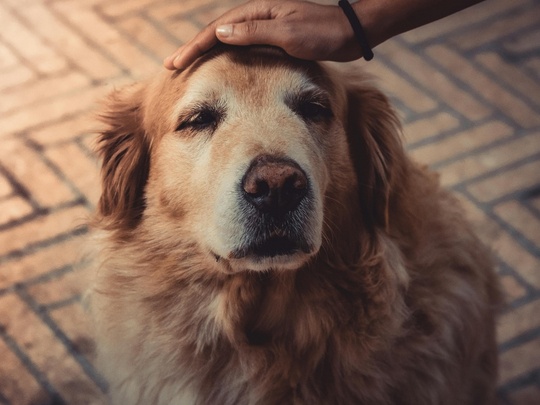
As pets grow older, their needs change in subtle but important ways. They may slow down, sleep more, or develop new health sensitivities that require closer attention. Because of this, proactive care becomes essential to ensure comfort, longevity, and quality of life.
At Pure Paws Veterinary Care of Clinton Hill, pet owners receive personalized guidance to support pets through every life stage. With experienced veterinary professionals and compassionate care, families can confidently navigate the aging process.
For New York pet parents, especially those navigating busy city lifestyles, staying informed about senior wellness is essential to ensure aging pets remain healthy, comfortable, and supported through every stage of life. Urban routines, changing seasons, and environmental factors can all influence how senior pets feel and function day to day.
This guide is designed specifically for New York pet owners to provide a clear, practical checklist that helps you care for your senior companion with confidence, consistency, and peace of mind.
Understanding the Needs of Aging Pets
Older pets experience gradual changes in metabolism, immunity, and mobility. Therefore, routine care must evolve to match these changes. Transitioning from adult care to senior-focused care can significantly improve comfort and prevent complications.
Key changes in senior pets include:
- Reduced energy levels
- Joint stiffness or arthritis
- Dental disease progression
- Weight fluctuations
- Changes in vision or hearing
Recognizing these early signs allows pet owners to act quickly and adjust care routines effectively.
Nutrition and Diet Adjustments
Proper nutrition plays a vital role in supporting aging pets. High-quality senior diets often include joint-supporting nutrients, lower calories, and easier-to-digest ingredients.
Additionally, hydration becomes more important as kidney function may decline with age. Always ensure fresh water is available throughout the day.
It is also helpful to monitor weight regularly since obesity can worsen joint and heart conditions.
Mobility and Joint Support
As pets age, mobility issues often become more noticeable. Stiff joints, slower movement, and difficulty climbing stairs are common concerns.
To improve comfort:
- Provide orthopedic bedding
- Use ramps for furniture or vehicles
- Encourage low-impact exercise like short walks
- Consider vet-recommended joint supplements
Regular movement is essential because it helps maintain muscle strength and joint flexibility.
Routine Veterinary Visits
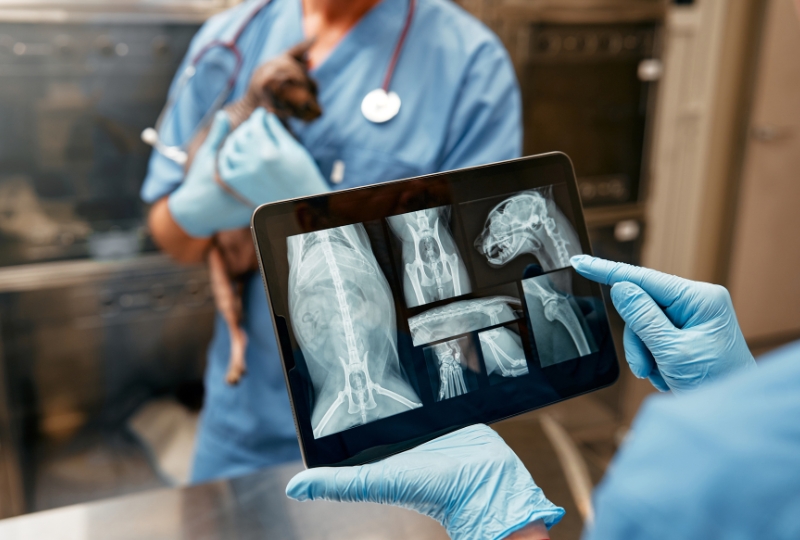
Preventive care becomes even more important in later years. Regular check-ups help detect hidden conditions before they become serious.
During these visits, veterinarians may recommend:
- Bloodwork screenings
- Urinalysis
- Dental evaluations
- Weight and nutrition assessments
This proactive approach ensures that health concerns are addressed early, improving long-term outcomes.
Dental Health Matters More Than Ever
Dental disease is one of the most common issues in senior pets. If left untreated, it can lead to pain, infection, and even organ damage.
Therefore, consistent oral care is essential. Brush your pet’s teeth when possible and schedule professional cleanings as needed.
Good oral hygiene also improves appetite and overall comfort.
Behavior and Cognitive Changes
Older pets may show changes in behavior due to cognitive decline. They might become disoriented, anxious, or less interactive.
To support mental health:
- Maintain a consistent routine
- Provide interactive toys
- Use calming environments
- Offer gentle reassurance
These adjustments help reduce stress and improve quality of life.
Preventive Health Screening
Early detection is one of the most effective ways to protect senior pets. Routine screenings can identify conditions such as kidney disease, diabetes, or thyroid imbalance.
In fact, preventive care is a cornerstone of long-term wellness. By tracking changes over time, veterinarians can recommend timely treatments and lifestyle adjustments.
This is where structured senior pet care becomes essential for maintaining long-term health and comfort.
Exercise and Mental Stimulation
Even though older pets may slow down, they still require physical and mental engagement. Light activity helps maintain circulation and prevent stiffness.
Try:
- Short, frequent walks
- Gentle play sessions
- Puzzle feeders for mental stimulation
- Scent-based games
These activities encourage both physical and emotional well-being.
Managing Chronic Conditions
Many senior pets develop chronic conditions such as arthritis, kidney disease, or heart issues. While these conditions may not be curable, they can often be managed effectively.
Medication, dietary changes, and regular monitoring all play important roles in maintaining stability and comfort.
Working closely with a veterinarian ensures your pet receives tailored treatment based on their specific needs.
Seasonal Care in New York
Weather changes in New York can impact senior pets significantly. Cold winters may worsen joint stiffness, while humid summers can lead to dehydration or overheating.
Pet owners should adjust routines accordingly:
- Use sweaters in winter for short-haired pets
- Avoid midday walks in summer heat
- Keep indoor environments temperature-controlled
By adapting care seasonally, you can prevent discomfort and reduce health risks.
Grooming and Skin Health
Older pets may struggle with self-grooming, making regular grooming essential. Brushing helps prevent matting and improves circulation.
Additionally, skin conditions may become more common with age. Watch for dryness, lumps, or irritation and report any changes to your veterinarian promptly.
Emotional Well-being and Comfort
Emotional health is just as important as physical health. Senior pets often become more attached to their owners and prefer familiar environments.
To support emotional comfort:
- Spend quality time daily
- Avoid sudden environmental changes
- Provide soft resting areas
- Use calming pheromones if needed
A stable and loving environment helps reduce anxiety and improve overall happiness.
Caring for an aging pet requires patience, consistency, and attention to detail. By following a structured checklist, pet owners can ensure their companions remain comfortable and healthy throughout their senior years.
If you notice any changes in behavior, appetite, or mobility, it is important to act early and seek professional guidance.
To ensure your pet receives the best possible care, schedule an appointment with Pure Paws Veterinary Care of Clinton Hill today and support your pet’s health journey with expert veterinary support.
FAQs
- At what age is a pet considered senior?
Most dogs and cats are considered senior between 7–10 years old. Larger breeds may reach senior status earlier due to faster aging.
- How often should senior pets have veterinary checkups?
Senior pets should generally visit the veterinarian every 6 months. More frequent visits may be needed if any chronic conditions are present.
- What are common health problems in older pets?
Common issues include arthritis, dental disease, kidney disease, diabetes, heart conditions, and changes in vision or hearing.
- What are simple ways to improve comfort for senior pets at home?
Provide soft bedding, reduce stair use, maintain a steady routine, and ensure food and water are easy to access.
- How can a veterinary clinic help with senior pet care?
A veterinary team can provide preventive screenings, pain management, nutrition guidance, and early diagnosis of age-related conditions to improve quality of life.
- Where can I get specialized senior pet care support in New York?
Pet owners can consult Pure Paws Veterinary Care of Clinton Hill for tailored senior wellness support, including preventive exams and age-related health management plans.