Senior pet care becomes increasingly important as dogs grow older, especially when changes in mobility begin to affect their daily routines. A senior dog may take longer to stand, hesitate before climbing stairs, or avoid activities they once enjoyed. Although these changes can be part of aging, simple adjustments at home can make movement safer and more comfortable. With thoughtful support, pet parents can help older dogs remain active, confident, and engaged. This guide offers practical mobility tips for families caring for aging dogs in Brooklyn, NY.
Recognizing Changes in Senior Dog Mobility
Mobility problems can develop gradually, so pet parents may not immediately notice them. A dog might still walk around the house while experiencing stiffness or discomfort. However, small behavioral changes can provide important clues.
Watch for signs such as:
- Taking longer to get up after resting
- Walking more slowly than usual
- Hesitating before using stairs
- Avoiding jumping onto furniture
- Slipping on smooth floors
- Having difficulty getting into the car
- Sleeping more than usual
- Becoming less interested in walks or play
- Changing sleeping positions frequently
- Showing stiffness after exercise
Therefore, pay attention to changes in routine rather than focusing only on obvious limping. Early recognition can help you make useful adjustments before mobility problems become more limiting.
Make Floors Safer
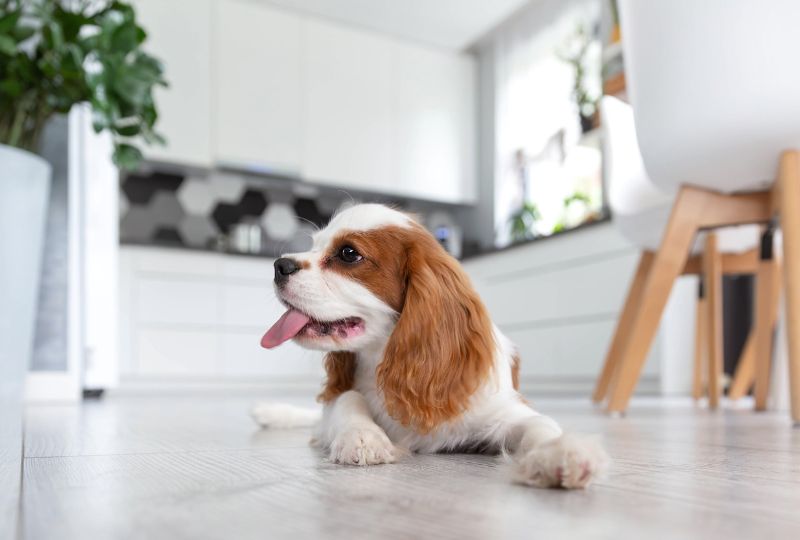
Smooth floors can create significant challenges for older dogs. Hardwood, tile, and laminate surfaces may become difficult to navigate when strength, balance, or coordination decreases.
Fortunately, you can improve traction without making major changes to your home. Place nonslip rugs or runners along frequently used pathways. Add secure mats near food and water bowls. You can also consider traction-supportive products designed for dogs when appropriate.
In addition, keep walkways free from clutter. Furniture, toys, electrical cords, and other obstacles can increase the risk of trips and falls. A clear path gives an older dog more room to move confidently.
Improve Access to Favorite Spaces
Senior dogs often continue wanting access to the same areas they have enjoyed for years. However, reaching those spaces may become harder with age.
For example, if your dog regularly sleeps on a sofa, consider providing a sturdy ramp or pet stairs if they can use them safely. If your dog struggles to get into the car, a portable ramp may reduce the effort required.
Likewise, move frequently used bedding, food, and water closer to your dog’s primary resting area. These simple changes can reduce unnecessary trips across the home and help conserve energy.
Provide a Comfortable Resting Area
Older dogs often benefit from a supportive and easily accessible bed. A thick, comfortable orthopedic-style bed can provide cushioning while making it easier for a dog to settle down and stand up.
Place the bed in a quiet location that does not require climbing stairs. Keep it away from drafts and high-traffic areas where your dog may be disturbed.
Furthermore, make sure your dog has enough room to change positions comfortably. An appropriate resting space can support relaxation while reducing unnecessary strain on stiff joints.
Adjust Exercise Without Stopping Activity
Exercise remains valuable for aging dogs, but the type and intensity may need to change. Instead of long or strenuous outings, consider shorter walks at a comfortable pace.
For instance, several brief walks throughout the day may be easier than one extended walk. Allow your dog to set the pace and provide opportunities to rest.
At home, gentle activities can also provide mental and physical stimulation. Simple scent games, controlled movement, and interactive activities can keep an older dog engaged without demanding excessive physical effort.
However, avoid pushing your dog through signs of discomfort. If your dog suddenly struggles with an activity they previously handled well, discuss the change with a veterinarian.
Keep Nails Trimmed
Long nails can make walking more difficult, particularly on smooth surfaces. When nails become too long, they can alter the way a dog places their feet and may contribute to reduced stability.
Check your dog’s nails regularly and maintain an appropriate length. If trimming at home feels difficult, ask your veterinary team for guidance or professional assistance.
Additionally, check the paw pads for cracks, irritation, or foreign material. Healthy paws provide an important foundation for comfortable movement.
Maintain a Healthy Weight
Weight management plays an important role in mobility. Extra body weight can place additional stress on joints and make everyday movement more demanding.
Feed your dog an appropriate amount based on their age, size, activity level, and individual needs. Regularly monitor body condition rather than relying only on the number shown on a scale.
If your dog has become less active, their calorie needs may change as well. A veterinarian can help determine an appropriate nutrition and weight-management strategy.
Schedule Routine Veterinary Evaluations
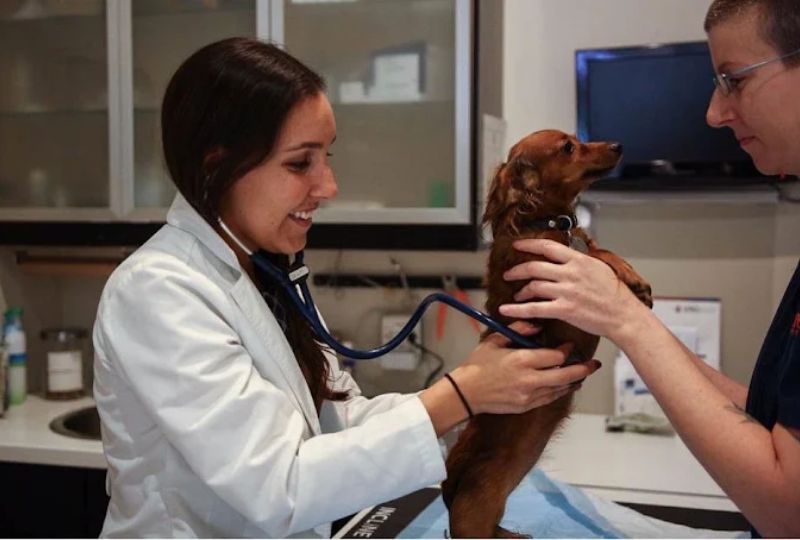
Regular veterinary visits can help identify mobility concerns before they significantly affect your dog’s quality of life. During an examination, your veterinarian can assess movement, joints, muscle condition, body weight, and other aspects of overall health.
Senior pet care also involves monitoring gradual changes that may otherwise be mistaken for normal aging. Reduced activity, difficulty standing, changes in gait, or reluctance to climb stairs may have an underlying cause that deserves attention.
Depending on your dog’s condition, your veterinary team may discuss lifestyle adjustments, nutrition, pain-management options, rehabilitation, diagnostic testing, or other supportive approaches.
Create a Predictable Daily Routine
Older dogs often benefit from consistency. Keep meals, walks, rest periods, and bathroom breaks on a predictable schedule whenever possible.
A stable routine can reduce unnecessary stress and make it easier to notice changes in appetite, activity, bathroom habits, or behavior. In addition, give your dog enough time to stand, turn, and walk without rushing them.
Small accommodations can make a meaningful difference. A little extra patience can help an older dog feel secure while moving around the home.
Support Your Dog’s Independence
Mobility support does not mean preventing an older dog from doing everything independently. Instead, focus on helping them perform everyday activities safely.
For example, allow your dog to walk at their own pace, use ramps where appropriate, and provide easy access to comfortable resting areas. Avoid lifting your dog unnecessarily if they can safely complete an activity themselves.
At the same time, monitor situations where assistance may be necessary. A dog that repeatedly falls, cannot rise without help, or suddenly refuses to walk needs veterinary attention.
Local Senior Dog Support in Brooklyn
For families caring for older dogs, practical home adjustments and veterinary guidance can work together to support comfort and mobility. Pure Paws Veterinary Care of Clinton Hill can help pet parents understand changes in their dog’s health and develop an appropriate approach to ongoing wellness.
Senior pet care is not only about treating problems after they appear. It also involves observing changes, maintaining healthy routines, supporting mobility, and helping older dogs enjoy their daily lives.
Aging does not mean your dog has to stop enjoying walks, family time, or favorite activities. By improving traction, adjusting exercise, maintaining a healthy weight, creating comfortable resting spaces, and monitoring changes closely, you can make everyday life easier for an aging companion. For families in Brooklyn, NY, thoughtful mobility support combined with routine veterinary care can help older dogs remain comfortable and engaged.
If you notice changes in your dog’s movement, activity level, or ability to perform familiar tasks, talk with our veterinary team. To discuss your dog’s changing needs, schedule an appointment with Pure Paws Veterinary Care of Clinton Hill.
FAQs
- What are common mobility changes in older dogs?
Common changes include stiffness, slower walking, difficulty standing, hesitation on stairs, slipping on floors, and reduced interest in jumping or playing.
- How can I make my home safer for a senior dog?
Use nonslip rugs, keep walkways clear, provide accessible bedding, and consider ramps or steps for areas your dog visits frequently.
- Should an older dog continue exercising?
Yes. Most older dogs benefit from appropriate physical activity. Shorter, gentler walks and low-impact activities may be more suitable than strenuous exercise.
- Can weight affect an older dog’s mobility?
Yes. Maintaining a healthy weight can reduce unnecessary stress on joints and make movement easier. Your veterinarian can recommend an appropriate nutrition plan.
- How can Pure Paws Veterinary Care of Clinton Hill help my aging dog?
The veterinary team can evaluate mobility changes, monitor overall health, and discuss appropriate wellness, nutrition, diagnostic, and supportive care options for your dog.
- When should I schedule a veterinary appointment for mobility changes?
Schedule an appointment if your dog develops persistent stiffness, difficulty standing, repeated slipping or falling, sudden reluctance to walk, or other noticeable changes in mobility.