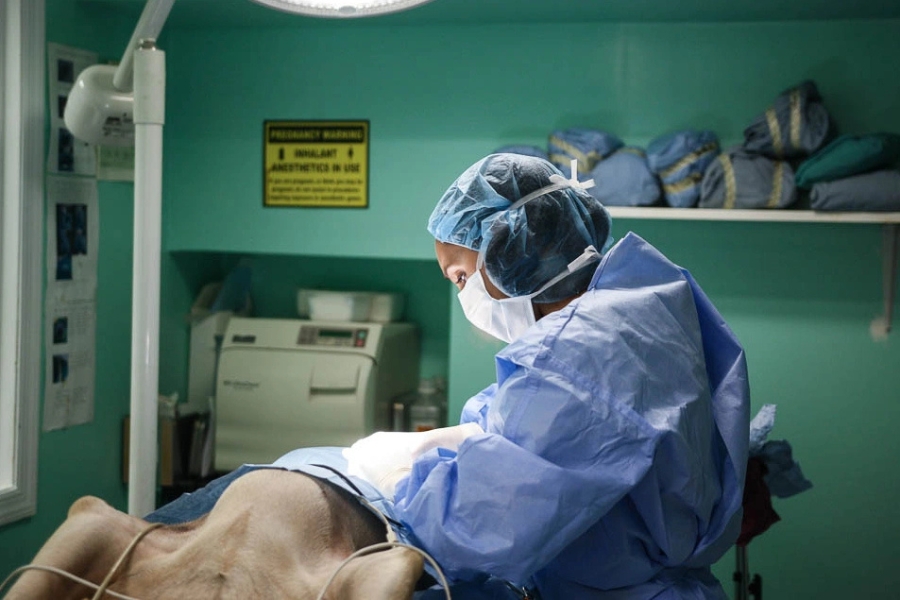
Preventive healthcare can make a meaningful difference in your pet’s quality of life. While a pet may appear healthy at home, some health problems can develop quietly without obvious warning signs. Regular veterinary visits allow potential concerns to be identified before they become more difficult to manage.
Pet wellness exams give veterinarians an opportunity to evaluate your companion’s overall health, monitor changes, and recommend preventive care based on their individual needs. These visits can include physical examinations, vaccinations, parasite prevention, dental evaluations, weight monitoring, and other assessments. For pet parents in New York, consistent preventive care can help support healthier and happier companions throughout every life stage.
What Happens During a Wellness Exam?
A wellness visit typically begins with a discussion about your pet’s health and daily habits. Your veterinarian may ask about appetite, water consumption, activity levels, behavior, bathroom habits, and any changes you have noticed.
Next, the veterinary team performs a physical examination. This may include checking your pet’s eyes, ears, mouth, teeth, gums, skin, coat, heart, lungs, abdomen, joints, and overall body condition.
Depending on your pet’s age and health history, the veterinarian may also recommend additional services. These can include blood testing, fecal testing, urine testing, vaccinations, parasite screening, or other diagnostic procedures.
Because every pet is different, preventive recommendations should be tailored to the individual rather than following a one-size-fits-all approach.
Early Detection Can Make a Difference
One of the most valuable benefits of routine veterinary care is early detection. Some conditions may develop gradually and produce subtle symptoms that pet parents do not immediately recognize.
For example, a pet may experience early kidney problems, hormonal changes, heart disease, or other internal conditions while continuing to eat and behave normally. A physical examination and appropriate diagnostic testing can sometimes identify abnormalities before noticeable symptoms become severe.
As a result, early detection may give your veterinarian more opportunities to manage a condition effectively and protect your pet’s quality of life.
Monitoring Your Pet’s Weight
Weight management is another important part of preventive healthcare. Both excessive weight and unexplained weight loss can indicate that something needs attention.
Extra weight may place additional stress on your pet’s joints and can increase the risk of certain health complications. On the other hand, unexplained weight loss may sometimes be associated with dental disease, digestive problems, metabolic conditions, or other concerns.
During regular visits, your veterinary team can monitor changes in body weight and body condition. They can also provide feeding and activity recommendations that fit your pet’s age, lifestyle, and health status.
Protecting Pets Through Vaccination
Vaccinations play an important role in preventing several infectious diseases. However, vaccination needs can vary according to your pet’s age, lifestyle, exposure risks, and previous vaccination history.
Puppies and kittens generally require a series of vaccinations during their early development. Adult pets may need periodic booster vaccinations to maintain protection.
During a wellness visit, your veterinarian can review your pet’s vaccination history and determine which vaccines are appropriate. This approach helps avoid unnecessary vaccinations while maintaining appropriate protection.
Parasite Prevention Is Part of Preventive Care
Fleas, ticks, heartworms, intestinal parasites, and other pests can affect pets and sometimes cause serious health problems. Moreover, some parasites can pose risks to people as well.
For this reason, consistent parasite prevention should be part of your pet’s healthcare routine. Your veterinarian can recommend preventive products based on your pet’s species, age, lifestyle, and potential exposure.
Routine testing may also be appropriate in certain situations. Even pets that spend most of their time indoors may encounter parasites, so discussing prevention with your veterinary team remains important.
Dental Health Should Not Be Overlooked
Dental problems are common in pets, yet signs can be easy to miss. A pet may continue eating despite having plaque, tartar, gum inflammation, or painful dental disease.
During a routine examination, the veterinarian can inspect your pet’s mouth for visible abnormalities. If necessary, they may recommend a professional dental cleaning or additional evaluation.
Maintaining oral health can help support your pet’s comfort while also addressing problems before they progress.
Behavioral Changes Can Provide Important Clues
Health problems do not always appear as obvious physical symptoms. Sometimes, the first indication is a change in behavior.
For instance, a normally social pet may become withdrawn. Another pet may become unusually irritable, restless, vocal, or less interested in normal activities.
Changes in sleep, appetite, grooming, activity, or interaction can also provide useful information. Therefore, tell your veterinarian about behavioral changes, even if they seem minor.
Your veterinary team can determine whether the change may be related to aging, environmental factors, pain, or an underlying medical concern.
Senior Pets Need Closer Monitoring
As pets age, their healthcare needs often change. Senior dogs and cats may become more susceptible to arthritis, dental disease, kidney problems, vision changes, and other age-related conditions.
Regular examinations allow veterinarians to compare current findings with previous visits. This ongoing monitoring can make it easier to identify gradual changes.
In some cases, veterinarians may recommend more frequent visits or routine blood and urine testing for older pets. These recommendations depend on the individual animal and its health history.
Preventive Care Helps Create a Long-Term Health Plan
Preventive veterinary care is not limited to treating an immediate problem. Instead, it focuses on maintaining health over time.
At Pure Paws Veterinary Care of Hell’s Kitchen, the veterinary team can evaluate your pet’s current health and discuss appropriate preventive strategies. These may include nutrition guidance, parasite prevention, vaccination planning, dental care, weight management, and age-specific monitoring.
Keeping track of your pet’s veterinary visits can also help you stay ahead of recommended screenings and preventive treatments.
What Pet Parents Can Do Between Visits
Veterinary care works best when it continues at home. Pet parents can support their companion’s health by observing everyday habits and reporting meaningful changes.
Pay attention to:
- Appetite and water consumption
- Body weight and body condition
- Energy and activity levels
- Bathroom habits
- Skin and coat condition
- Oral health
- Mobility
- Behavior and mood
- Changes in sleeping patterns
- Unusual lumps, swelling, or discomfort
Additionally, provide balanced nutrition, fresh water, appropriate exercise, parasite prevention, and regular dental care. These simple habits can complement professional veterinary care.
How Often Should Pets Have Wellness Visits?
The ideal schedule depends on your pet’s age, health, lifestyle, and individual risk factors. Young animals may need several visits during their first year because of vaccinations, growth monitoring, and developmental needs.
Healthy adult pets generally benefit from routine examinations, while senior animals or pets with ongoing medical concerns may require more frequent monitoring.
Your veterinarian can recommend an appropriate schedule based on your companion’s specific needs.
Why Routine Exams Are Worthwhile
It can be tempting to skip a veterinary appointment when your pet seems perfectly healthy. However, waiting until symptoms become obvious may allow an underlying problem to progress.
Routine examinations provide an opportunity to establish a health baseline and monitor changes over time. Furthermore, they give you a chance to ask questions about nutrition, behavior, exercise, dental health, vaccinations, and other aspects of daily care.
By taking a preventive approach, you can work with your veterinary team to address concerns earlier and make informed decisions about your pet’s long-term health.
Conclusion
Regular veterinary care can help identify potential health concerns before they become more serious. Physical examinations, preventive treatments, dental assessments, vaccinations, parasite control, weight monitoring, and appropriate diagnostic testing all contribute to a comprehensive approach to pet healthcare.
At Pure Paws Veterinary Care of Hell’s Kitchen, the veterinary team can help you build a preventive care plan that supports your pet through every stage of life. If you notice a change in appetite, behavior, weight, mobility, or overall well-being, do not wait for the problem to become severe.
If you want to stay proactive about your pet’s health, schedule an appointment with Pure Paws Veterinary Care of Hell’s Kitchen. Regular preventive care can give your companion the support they need to enjoy a healthier, more comfortable life.
Frequently Asked Questions
- Why are regular wellness exams important for pets?
Regular examinations help veterinarians monitor your pet’s overall health and identify potential concerns early. They also provide an opportunity to update vaccinations, discuss parasite prevention, monitor weight, and address changes in behavior or daily habits.
- Can a pet have a health problem without showing symptoms?
Yes. Some health conditions can develop gradually without producing obvious symptoms during their early stages. Routine veterinary examinations and recommended diagnostic testing can help identify certain problems before they become more advanced.
- How often should my pet have a wellness exam?
The recommended schedule depends on your pet’s age, health, lifestyle, and individual needs. Young pets, senior animals, and pets with ongoing health concerns may require more frequent veterinary visits.
- What should I bring to my pet’s wellness appointment?
Bring your pet’s current medication and supplement information, vaccination records if available, and details about any recent changes in appetite, behavior, weight, activity, or bathroom habits. A list of questions can also help you make the most of the appointment.
- How can Pure Paws Veterinary Care of Hell’s Kitchen support my pet’s preventive care?
Pure Paws Veterinary Care of Hell’s Kitchen can provide individualized preventive recommendations based on your pet’s age, lifestyle, medical history, and current health. The team can discuss examinations, vaccinations, parasite prevention, dental care, nutrition, and other wellness needs.
- Why choose Pure Paws Veterinary Care of Hell’s Kitchen for routine veterinary care?
Pure Paws Veterinary Care of Hell’s Kitchen focuses on preventive healthcare and individualized veterinary guidance. Regular visits allow the team to monitor your pet over time and help you make informed decisions about their ongoing health.