Dental care is easy to think of as simply keeping your pet’s teeth clean and breath fresh. In reality, the condition of the teeth and gums can influence comfort, eating habits, inflammation, and overall well-being. Dental problems can also progress quietly because dogs and cats often continue eating even when their mouths hurt.
Periodontal disease is especially common in companion animals and often develops without obvious early warning signs. It begins when plaque accumulates around the teeth and gumline, triggering inflammation that can eventually damage the tissues supporting the teeth.
At Pure Paws Veterinary Care of Hudson Square, oral health is considered an important part of broader veterinary care. Understanding the connection between the mouth and the rest of the body can help pet parents recognize why preventive dental care deserves attention throughout a pet’s life.
How Is Pet Dental Health Connected to Overall Health?
The mouth contains bacteria naturally. When plaque is not adequately controlled, bacteria accumulate around and below the gumline. The immune system responds with inflammation, which can progress from gingivitis to periodontal disease.
Advanced periodontal disease is not simply a cosmetic problem. It can cause pain, infection, bone loss, loose teeth, and difficulty eating. Inflammatory substances and bacterial products associated with periodontal disease may also enter circulation and have effects beyond the mouth. Research supports an association between periodontal disease and systemic health, although the relationship is complex and does not mean dental disease directly causes a particular organ disease in every pet.
This is why pet dental services are about more than removing visible tartar. They help veterinarians identify and manage oral inflammation, infection, painful teeth, and other problems that may affect a pet’s comfort and quality of life.
What Happens When Dental Disease Progresses?
Periodontal disease develops in stages. Gingivitis starts with inflammation of the gums. If the problem progresses, tissues and bone supporting the teeth can become damaged. Advanced disease can eventually result in loose teeth or tooth loss.
Pets may show signs such as:
- Persistent bad breath
- Red, swollen, or bleeding gums
- Visible tartar buildup
- Drooling more than usual
- Pawing or rubbing at the mouth
- Dropping food while eating
- Chewing on one side
- Avoiding hard food
- Loose, damaged, or discolored teeth
- Reduced interest in eating
These signs deserve veterinary attention, but they are not enough to diagnose a specific dental condition. Oral pain, fractured teeth, tooth resorption, periodontal disease, oral masses, and other conditions can produce similar changes.
Why Can Dental Pain Affect More Than Eating?
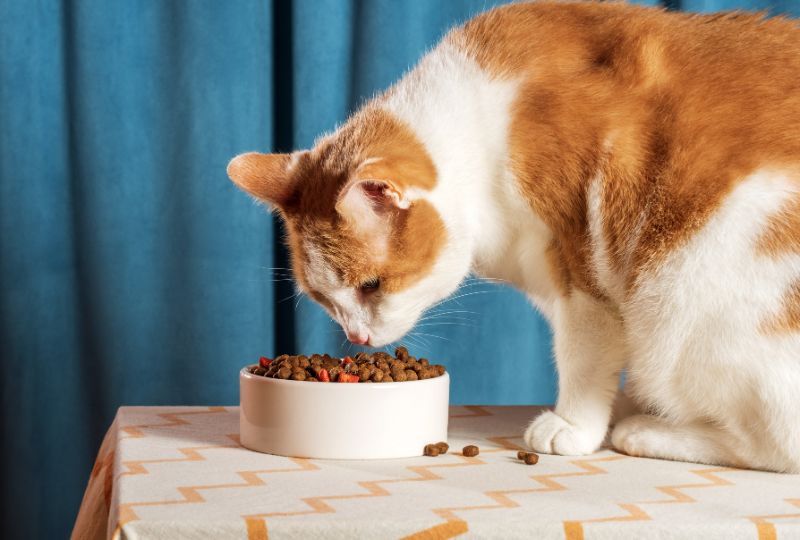
Dental discomfort can subtly change daily behavior. A pet may become reluctant to chew toys, eat more slowly, prefer softer foods, or show less enthusiasm around meals.
Some pets hide oral discomfort remarkably well. Cornell University notes that animals may conceal dental pain, meaning significant disease can exist even when outward symptoms appear minor.
Reduced eating is particularly concerning. If your pet suddenly refuses food, appears in severe pain, has facial swelling, experiences significant oral bleeding, or has difficulty breathing or swallowing, seek prompt veterinary guidance rather than waiting for a routine dental appointment.
What Does a Veterinary Dental Evaluation Look For?
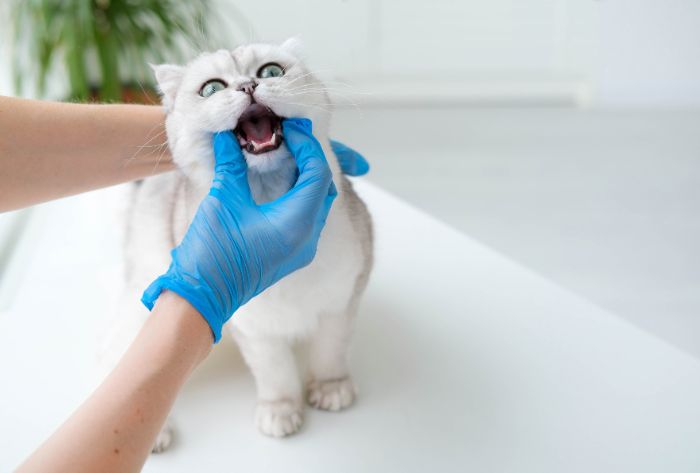
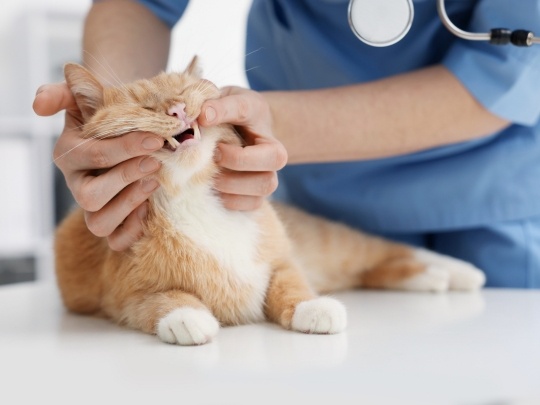
A veterinarian can examine the gums, visible teeth, bite, and oral tissues for signs of inflammation, injury, infection, or other abnormalities. However, much of each tooth lies below the gumline and cannot be fully assessed during an awake examination.
When a comprehensive dental procedure is recommended, dental radiographs can reveal problems involving tooth roots and supporting bone that are not visible from the surface. Veterinary dental care may also include scaling above and below the gumline, polishing, periodontal assessment, and, when necessary, treatment of diseased or damaged teeth.
If you are concerned about your pet’s mouth, visit our veterinary hospital for an evaluation rather than relying only on visible tartar to judge dental health.
How Can Pet Parents Protect Dental Health at Home?
Preventive care works most effectively when home care and veterinary examinations complement each other.
Regular tooth brushing with a pet-appropriate product can help control plaque. Some veterinary-recommended dental diets, chews, or oral-care products may also be useful for certain pets. Hard objects that can fracture teeth should be avoided. Your veterinarian can recommend an approach based on your pet’s mouth, age, breed, temperament, and current dental condition.
Home care cannot remove tartar that has formed below the gumline or treat an infected or damaged tooth. That is where professional pet dental services become important.
Protect Your Pet’s Mouth and Whole-Body Wellness
Healthy teeth and gums support comfortable eating and everyday quality of life. More importantly, addressing oral inflammation and disease helps integrate dental health into a broader preventive health plan.
Pet parents in New York and nearby communities can turn to Pure Paws Veterinary Care of Hudson Square for dental examinations, professional dental cleanings with dental X-rays when appropriate, treatment planning, and guidance on home oral care. If you notice bad breath, changes in gums, difficulty chewing, or other concerns, schedule an appointment to discuss whether pet dental services are appropriate for your dog or cat.
Frequently Asked Questions
Can dental disease affect my pet’s overall health?
Yes. Periodontal disease causes chronic inflammation in the mouth, and inflammatory mediators and bacterial products may enter the circulation. Veterinary research supports a relationship between periodontal and systemic health, although the exact effects vary among individual pets.
How can I tell if my pet has dental disease?
Bad breath, red or bleeding gums, tartar, drooling, difficulty chewing, dropping food, and loose or damaged teeth can indicate a problem. Some pets show few obvious symptoms, so routine oral examinations remain important.
Is bad breath normal in dogs and cats?
Persistent unpleasant breath should not simply be dismissed as normal. It can be an early sign of plaque buildup, gingivitis, periodontal disease, or another oral problem. A veterinary examination can help determine the cause.
Can brushing my pet’s teeth prevent dental problems?
Regular brushing can help reduce plaque and support healthier gums. However, brushing cannot correct advanced periodontal disease, remove established material beneath the gumline, or treat damaged teeth. Veterinary care may still be necessary.
How often should my pet have a dental examination?
Oral health should be evaluated regularly as part of veterinary care. The appropriate schedule depends on age, breed, existing dental disease, home care, and other health factors. Smaller and older dogs may face an increased risk of periodontal disease.
Does my pet need dental X-rays during professional dental care?
Dental X-rays can reveal disease involving tooth roots, bone, and other structures hidden below the gumline. Because significant problems may exist beneath teeth that appear normal on the surface, radiographs can be an important part of a comprehensive dental assessment.