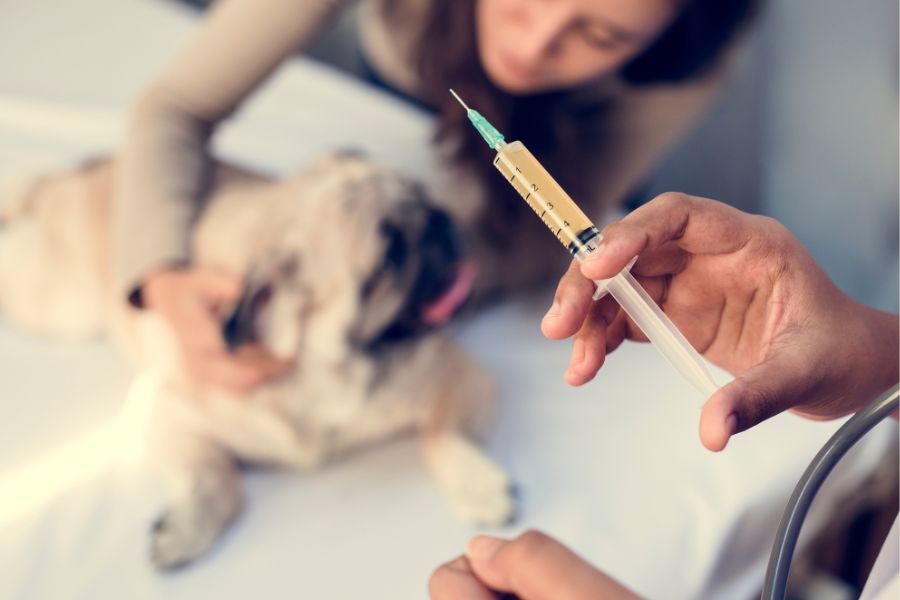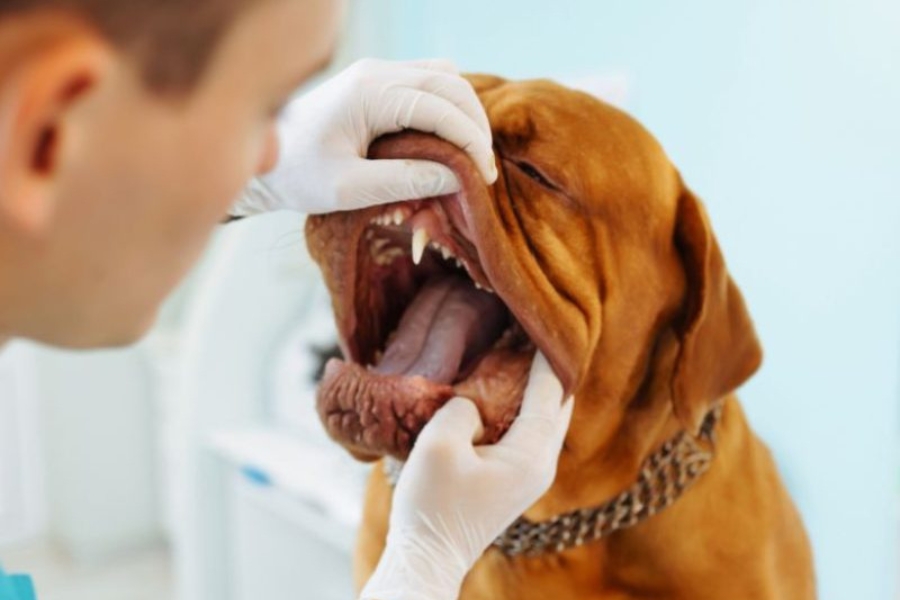
Many pet owners overlook bad breath, or halitosis, in dogs, but a persistent foul smell can indicate dental problems that may lead to serious health issues. It is essential to understand the possible causes of bad breath and the steps you can take to address it. Let’s look at common dental causes of bad breath in dogs and how to improve their oral health.
Understanding Dog Dental Care
Bad breath in dogs is often caused by poor dental care, especially when plaque and tartar build up on their teeth. Like humans, dogs need regular oral hygiene to keep their teeth and gums healthy. Neglecting your dog’s dental care can lead to serious problems, including tooth decay, gum disease, and even heart-related issues.
In a busy city like, it is easy to forget your dog’s daily needs, which is why maintaining a consistent dental care routine is very important. Regular visits to the veterinarian, along with home care, can help prevent common dental problems and bad breath in many dog breeds.
Common Causes of Bad Breath in Dogs
Periodontal Disease
The most common cause of bad breath in dogs is periodontal disease, which occurs when bacteria accumulate on the teeth and gums, leading to plaque and tartar buildup and causing inflammation, infection, and foul-smelling breath. In severe cases, periodontal disease can lead to tooth loss and compromise the dog’s overall health.
Dental Decay
Just like humans, dogs can develop cavities or tooth decay. Although cavities are less common in dogs, they can still cause bad breath. Decay occurs when food particles and bacteria accumulate on the teeth, damaging the enamel and sometimes leading to infection.
Gum Disease (Gingivitis)
Gingivitis is a common dental problem in dogs that can lead to bad breath, and it occurs when plaque and tartar build up on the teeth over time. If left untreated, gingivitis may progress to more serious gum disease that affects the tissues and bones supporting the teeth.
Dr. Liff explains, “Labrador Retrievers often face dental problems like gum and periodontal disease because of their active lifestyle. Regular cleanings and checkups are vital for fresh breath and preventing serious health issues.”
Oral Tumors or Growths
Oral tumors or growths can also cause bad breath in dogs. These tumors may develop in the mouth, affecting the teeth, gums, or tongue. In some cases, oral cancer can result in persistent foul breath, which requires immediate veterinary attention.
Foreign Objects in the Mouth
If your dog chews on items like sticks or toys, there is a chance that a foreign object could become stuck in their mouth or between their teeth. This can cause irritation and bad breath, and if left untreated, it could lead to infections.
Kidney Disease
Kidney disease can cause dogs to develop bad breath, known as “uremic breath,” when the kidneys fail to filter toxins properly, resulting in waste products being expelled through the mouth.
How to Manage and Prevent Bad Breath in Dogs?
Managing and preventing bad breath in dogs involves a combination of regular dental care, diet, and veterinary intervention.
Brush Your Dog’s Teeth Regularly
Just like humans, dogs need their teeth brushed regularly to keep their mouths healthy. Using a dog-specific toothpaste when brushing helps prevent plaque buildup and fights bad breath. It is helpful to start cleaning your dog’s teeth early in life so that it becomes a natural part of their care routine.
Provide Dental Chews and Toys
Dental chews and toys made to reduce plaque and tartar can help maintain your dog’s oral health and freshen their breath. Choose products specifically designed for dog dental care. These treats not only clean your dog’s teeth but also offer a playful, engaging experience.
Schedule Regular Veterinary Checkups
During regular visits, the vet can clean your dog’s teeth professionally, spot early signs of dental problems, and give advice on how to care for your dog’s oral health. A thorough check-up helps identify and address issues before they lead to bad breath or more serious health problems.
Dr. Kurtzman notes, “For breeds like German Shepherds, which are prone to gum disease and periodontal issues, regular dental exams are crucial for keeping their mouth healthy and preventing bad breath from becoming a long-term problem.”
Dietary Considerations
High-quality dog food designed to support dental health can help reduce plaque buildup. You can also ask your veterinarian about special dental diets or supplements that may help with your dog’s dental care. Avoid giving your dog sugary treats or human food, as these can contribute to tooth decay and gum disease.
Consider Professional Dental Cleanings
If your dog’s bad breath continues despite home care, it might be time for a professional dental cleaning. Visit a veterinarian to have your dog’s teeth and gums cleaned, removing plaque and tartar that brushing alone cannot remove.
When to Seek Veterinary Care for Bad Breath?
While bad breath is usually caused by poor dental hygiene, it can also signal serious health issues. If your dog’s bad breath persists or shows other signs of illness, visit your vet. Signs that require attention include:
- Loss of appetite
- Excessive drooling
- Swollen or bleeding gums
- Weight loss
- Behavioral changes, such as lethargy or aggression
- Vomiting or diarrhea
Maintaining Fresh Breath and Healthy Teeth
Many dogs experience bad breath, but with gentle and consistent dental care, you can help keep your furry friend’s mouth healthy and their breath smelling fresh. Regular brushing, dental chews, and professional cleanings are excellent ways to care for their oral health and make sure they feel comfortable and happy.
If your dog’s bad breath continues or if you observe other signs of discomfort or illness, consult your veterinarian for further assessment and get complete dental services to maintain your dog’s oral health.
FAQs
Q1. How can I prevent my dog from getting bad breath?
Ans. Regular brushing, providing dental chews, and scheduling professional dental cleanings are essential for preventing bad breath in dogs. Maintaining good oral hygiene can reduce plaque buildup.
Q2. Can bad breath in dogs be a sign of a serious illness?
Ans. Yes, bad breath can sometimes indicate a more serious underlying issue, such as kidney disease or oral tumors. If the problem persists, it’s essential to consult a veterinarian.
Q3. How often should I brush my dog’s teeth?
Ans. It’s recommended to brush your dog’s teeth at least 2-3 times per week to maintain good oral hygiene and prevent bad breath. Daily brushing is even more effective.
Q4. Should I give my dog human toothpaste to clean their teeth?
Ans. No, never use human toothpaste on dogs, as it contains ingredients toxic to them. Use dog-specific toothpaste and brushes to maintain their oral health.
Q5. Can I use mouthwash for my dog’s bad breath?
Ans. While some mouthwash products are designed for dogs, it’s essential to consult your veterinarian before using them. Regular brushing and professional cleanings are more effective for maintaining fresh breath.