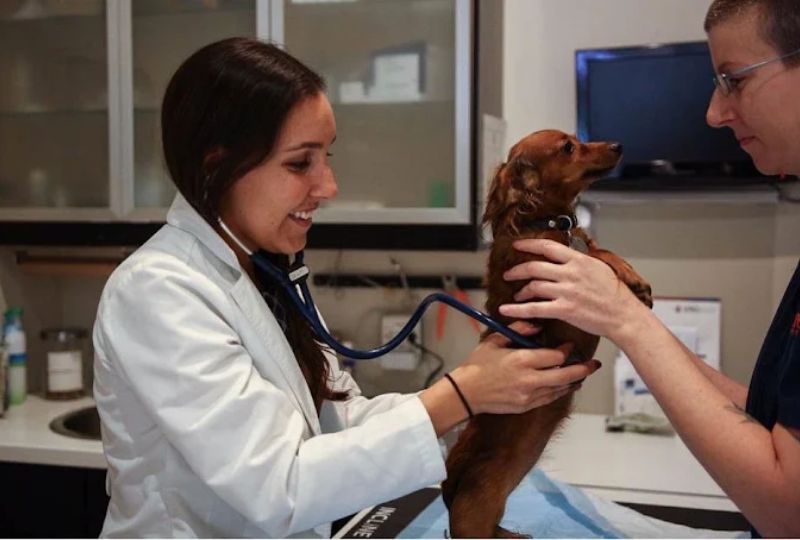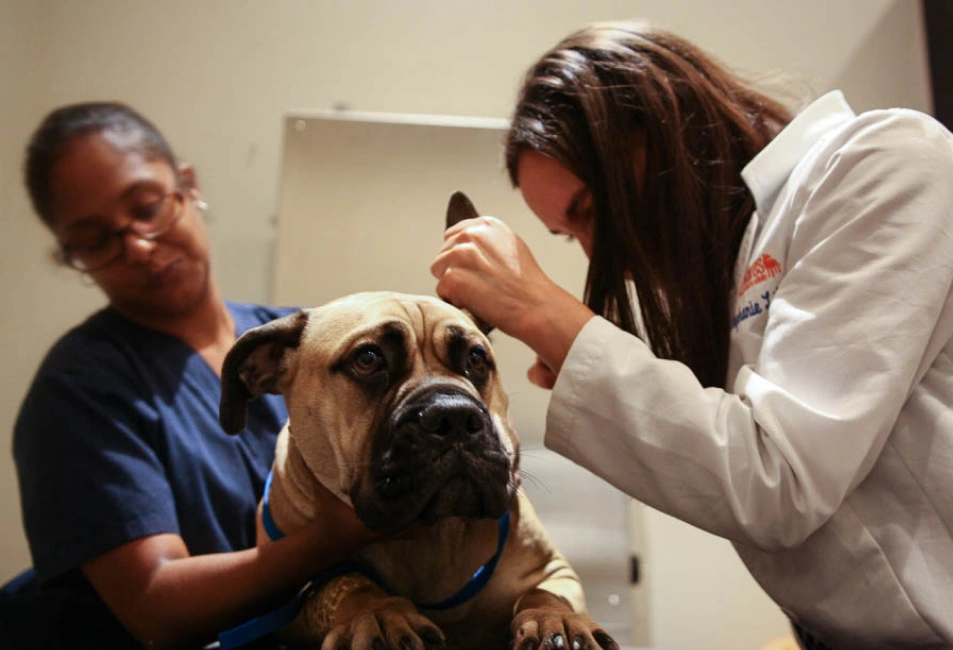
Pet diagnostic care helps veterinarians investigate health concerns that may not be obvious from outward symptoms alone. Pets cannot explain where they hurt or describe how they feel, so subtle changes in appetite, energy, weight, behavior, or bathroom habits can sometimes be the only clues that something is wrong. Diagnostic testing gives veterinary teams valuable information that can help uncover underlying conditions and guide appropriate treatment. For pet parents in Brooklyn, NY, understanding how diagnostic care works can make it easier to recognize the value of timely veterinary evaluations.
Why Hidden Health Problems Can Be Difficult to Notice
Pets often hide signs of illness, especially during the early stages of a condition. A dog or cat may continue eating, walking, and interacting with the family while a health problem develops internally.
For example, a pet may experience an underlying issue without showing obvious pain. Instead, you might notice that they sleep more, drink slightly more water, lose weight gradually, or become less interested in normal activities.
Therefore, small changes should not always be dismissed as normal aging or a temporary mood. A veterinary examination can help determine whether further testing is appropriate.
What Happens During a Diagnostic Evaluation?
A diagnostic evaluation usually begins with a physical examination and a discussion about your pet’s medical history. Your veterinarian may ask when you first noticed a change, whether symptoms have become more frequent, and whether your pet’s eating, drinking, activity, or bathroom habits have changed.
Next, the veterinary team may recommend specific tests based on your pet’s symptoms and examination findings. The goal is not simply to perform tests but to gather useful information that can help narrow down possible causes.
Depending on the situation, diagnostic options may include blood testing, urinalysis, imaging, or other laboratory procedures.
Blood Tests Can Reveal Important Clues
Blood testing can provide information about how different parts of the body are functioning. Depending on the tests performed, results may offer clues about organs, blood cells, hydration, inflammation, or metabolic changes.
For instance, a pet may appear relatively normal while laboratory results reveal an abnormality that deserves further investigation.
Furthermore, blood work can establish baseline information for future comparison. This can be particularly useful for pets with ongoing health concerns or those entering their senior years.
Urinalysis Can Detect Changes
Urine contains valuable information about a pet’s health. A urinalysis can help veterinarians evaluate aspects of urinary function and identify changes that may require additional investigation.
Changes in urination may not always be easy to notice. Some pets have outdoor bathroom habits, while others may experience subtle changes that pet parents overlook.
Consequently, laboratory analysis can provide information that observation alone cannot reveal. Your veterinarian can determine whether urine testing is appropriate based on your pet’s symptoms and overall health.
Imaging Helps Veterinarians Look Inside the Body
Some health problems cannot be identified through a physical examination alone. In these situations, diagnostic imaging can provide a closer look at internal structures.
Depending on the concern, veterinarians may use tools such as X-rays or ultrasound. These methods can help visualize areas of the body and provide additional information when investigating symptoms.
For example, imaging may help evaluate changes involving the abdomen, bones, chest, or other structures. The specific method depends on what the veterinary team needs to examine.
Diagnostic Testing Can Help Find Problems Early
One of the major benefits of diagnostic testing is that it can provide information before a condition becomes more advanced.
Early detection may give veterinarians more opportunities to address a health concern, monitor changes, or create an appropriate management plan. However, not every test is necessary for every pet.
Instead, your veterinarian considers your pet’s age, symptoms, medical history, physical examination, and risk factors when deciding which diagnostic tools may be useful.
When Your Pet May Need Diagnostic Testing
Several changes can indicate that your pet needs a veterinary evaluation. These may include:
- Unexplained weight loss or gain
- Changes in appetite
- Increased thirst or urination
- Vomiting or diarrhea
- Persistent coughing or breathing changes
- Unusual tiredness
- Changes in behavior
- Difficulty moving
- Recurring digestive problems
- Changes in grooming habits
- Lumps or unusual swelling
Importantly, these signs can have many different causes. Diagnostic testing can help your veterinarian determine what may be happening instead of relying on symptoms alone.
Diagnostic Care Supports Better Treatment Decisions
Once test results are available, your veterinarian can combine them with the physical examination and medical history. This broader picture can make it easier to understand the possible cause of a problem.
Pet diagnostic care can also help distinguish between conditions that produce similar symptoms. For example, changes in appetite may result from dental problems, digestive issues, metabolic conditions, stress, or other health concerns.
Because treatment should address the underlying problem whenever possible, accurate information can help guide the next steps.
Regular Monitoring Matters for Older Pets
Senior pets can develop health changes gradually. Their activity level may decrease, their weight may shift, or they may sleep more frequently. While some changes can occur with normal aging, others may indicate a medical concern.
Routine examinations and appropriate diagnostic testing can help establish a clearer picture of an older pet’s health. Regular monitoring also allows veterinarians to compare current findings with previous results when available.
Therefore, pet parents should discuss noticeable changes rather than assuming every new symptom is simply part of getting older.
Personalized Diagnostic Support at Pure Paws Veterinary Care of Clinton Hill
At Pure Paws Veterinary Care of Clinton Hill, the veterinary team evaluates each pet individually. Diagnostic recommendations depend on the patient’s symptoms, history, physical findings, and specific health needs.
Pet diagnostic care can provide useful information when a pet’s symptoms are unclear or when a veterinarian needs additional evidence to understand an underlying condition. By combining examination findings with appropriate diagnostic tools, the team can work toward a clearer understanding of your pet’s health.
Hidden health problems do not always produce dramatic symptoms. Sometimes, a small change in appetite, behavior, weight, energy, or daily habits can provide the first clue that something needs attention. Veterinary examinations and appropriate diagnostic testing can help uncover concerns that may otherwise remain unnoticed.
For pet parents in Brooklyn, NY, paying attention to subtle changes and seeking veterinary guidance early can support better health monitoring. If your pet has developed unexplained symptoms or changes in routine, schedule an appointment with Pure Paws Veterinary Care of Clinton Hill to discuss their health and diagnostic needs.
FAQs
- What is pet diagnostic care?
It involves veterinary examinations and appropriate tests used to investigate symptoms, identify underlying health concerns, and gather information that can help guide treatment.
- What signs may indicate that my pet needs diagnostic testing?
Unexplained weight changes, appetite changes, increased thirst, vomiting, diarrhea, low energy, behavioral changes, or other persistent symptoms may warrant a veterinary evaluation.
- Can diagnostic tests detect health problems before symptoms become serious?
Some tests can identify changes that may not yet produce obvious outward symptoms. Your veterinarian can determine whether screening or diagnostic testing is appropriate for your pet.
- What diagnostic tests might my pet need?
Depending on the situation, your veterinarian may recommend blood work, urinalysis, X-rays, ultrasound, or other tests based on your pet’s individual needs.
- How can Pure Paws Veterinary Care of Clinton Hill help with diagnostic concerns?
The veterinary team can evaluate your pet’s symptoms, perform a physical examination, and recommend appropriate diagnostic options to better understand potential health concerns.
- Should senior pets receive regular diagnostic evaluations?
Senior pets can benefit from regular health monitoring because some conditions develop gradually. Your veterinarian can recommend an appropriate testing schedule based on your pet’s age and health history.