Cat dental care plays an important role in a feline’s overall comfort and quality of life. However, cats often hide signs of discomfort, which means dental problems may go unnoticed until they begin affecting everyday behavior. A cat that becomes irritable, stops playing, eats differently, or avoids being touched may not simply be acting differently. In some cases, these changes can point to an underlying dental concern. Understanding the connection between oral health and behavior can help pet parents recognize problems sooner, especially for families caring for cats in Brooklyn, NY.
Why Dental Problems Can Change Cat Behavior
Cats are naturally skilled at hiding discomfort. In the wild, showing weakness can make an animal vulnerable, so domestic cats may continue their normal routines even when something hurts.
Nevertheless, persistent oral discomfort can eventually affect how a cat behaves. Pain from inflamed gums, damaged teeth, infections, or other oral conditions can make normal activities uncomfortable.
As a result, you may notice subtle changes before seeing an obvious problem inside your cat’s mouth. Paying attention to these behavioral differences can help you recognize when your cat needs veterinary attention.
Increased Irritability or Aggression
One of the most noticeable behavioral changes can involve mood. A normally affectionate cat may suddenly become less tolerant of handling.
For example, your cat may hiss, swat, growl, or move away when you touch their face. They may also become irritated when another pet approaches them.
This does not necessarily mean your cat has suddenly developed an aggressive personality. Instead, discomfort can make physical contact feel unpleasant. If the behavior appears suddenly or continues over time, consider whether an underlying health problem could be contributing.
Becoming Less Social
Dental discomfort can also cause a cat to withdraw. A cat that previously greeted family members, sat nearby, or enjoyed attention may begin spending more time alone.
Furthermore, some cats may hide more frequently when they do not feel well. They may choose quiet areas of the home and avoid interaction.
Because cats often conceal physical discomfort, changes in social behavior deserve attention. Look at the overall pattern rather than assuming your cat is simply becoming independent.
Changes in Eating Habits
Dental problems can make eating uncomfortable. Therefore, changes around mealtime can provide an important clue.
A cat experiencing oral discomfort may:
- Chew more slowly
- Drop food while eating
- Prefer softer foods
- Avoid hard treats
- Chew on one side of the mouth
- Walk away from food
- Approach the bowl but hesitate to eat
- Make unusual movements with the mouth
Some cats continue eating despite dental discomfort, so a normal appetite does not always rule out an oral problem. However, any noticeable change in eating habits should be monitored closely.
Less Interest in Play
Pain can affect a cat’s interest in normal activities. If your cat previously chased toys, climbed furniture, or interacted enthusiastically with family members but now spends more time resting, consider the possibility of discomfort.
Of course, reduced activity can have many causes. Age, stress, weight changes, and other health conditions may also influence behavior. Still, a sudden or persistent reduction in play deserves attention.
Excessive Drooling or Pawing at the Mouth
Some behavioral signs are more directly associated with oral discomfort. A cat may repeatedly paw at their mouth or rub their face against furniture.
Excessive drooling can also occur with certain dental and oral conditions. You may notice wet fur around the mouth or unusual swallowing behavior.
Additionally, some cats may repeatedly lick their lips or make chewing motions when they are not eating. These signs can indicate that something inside the mouth feels uncomfortable.
Bad Breath and Other Warning Signs
Bad breath is not something pet parents should automatically dismiss as normal for cats. Persistent unpleasant breath can be associated with dental disease or other oral health concerns.
Other warning signs may include:
- Red or swollen gums
- Visible tartar buildup
- Bleeding around the gums
- Loose or damaged teeth
- Facial swelling
- Difficulty chewing
- Changes in grooming
- Increased sensitivity around the face
If you notice several of these signs together, schedule a veterinary evaluation rather than waiting for the problem to become severe.
How Dental Discomfort Can Affect Grooming
Cats spend a significant amount of time grooming themselves. However, oral discomfort can sometimes affect grooming behavior.
A cat that feels unwell may groom less frequently, causing the coat to appear dull, greasy, or tangled. In other cases, a cat may become unusually focused on licking or rubbing a particular area.
Therefore, changes in grooming can provide another clue that something has changed. When grooming changes occur alongside eating or behavioral changes, a veterinary examination becomes especially important.
Why Routine Dental Evaluations Matter
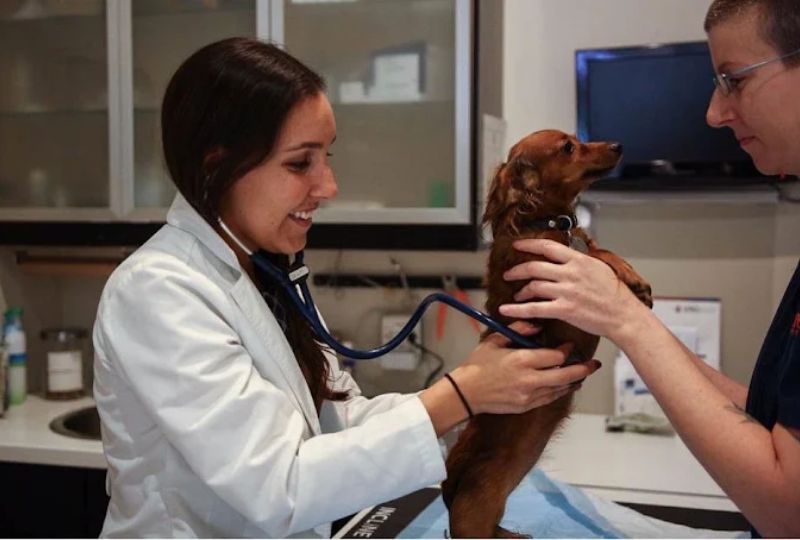
Regular veterinary examinations allow the team to look for signs of oral disease that may not be obvious at home. A thorough evaluation can help identify concerns involving the gums, teeth, and other structures of the mouth.
Cat dental care should be part of a broader preventive health routine. Depending on a cat’s needs, the veterinary team may recommend professional dental cleaning, dental imaging, home-care strategies, or other appropriate treatment.
Early attention can help prevent dental problems from continuing to interfere with eating, grooming, social interaction, and everyday comfort.
Supporting Your Cat’s Oral Health at Home
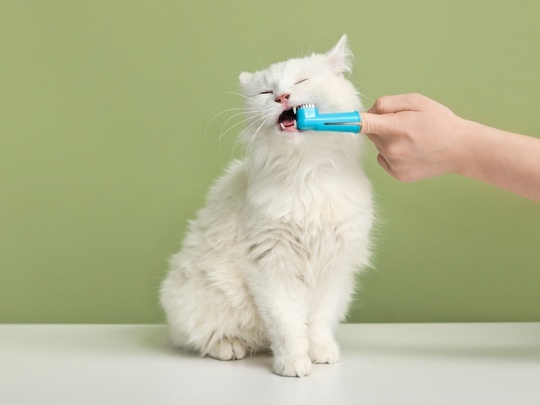
Pet parents can support good oral health by following their veterinary team’s recommendations. Depending on your cat’s temperament and dental health, this may include tooth brushing, veterinarian-approved dental products, or appropriate dietary strategies.
Introduce any home dental routine gradually. Cats may resist having their mouths handled, so patience is important. Never force an uncomfortable procedure, particularly if your cat already shows signs of oral pain.
Instead, ask your veterinary team for practical recommendations that match your cat’s age, health, and personality.
When Behavioral Changes Need Attention
Not every behavioral change means a cat has dental disease. However, unexplained changes should not be ignored.
If your cat suddenly becomes withdrawn, irritable, less interested in food, or reluctant to play, look for additional signs. Changes in appetite, grooming, drooling, breath odor, or sensitivity around the mouth can provide useful context.
At Pure Paws Veterinary Care of Clinton Hill, the veterinary team can evaluate behavioral changes and determine whether an underlying oral health concern may be contributing.
Conclusion
Dental problems can influence much more than a cat’s teeth and gums. Oral discomfort may affect eating, grooming, play, social interaction, and overall mood. Because cats often hide pain, subtle behavioral changes can sometimes be the first indication that something is wrong.
For families seeking attentive feline wellness support in Brooklyn, NY, recognizing these changes early can make it easier to address potential dental concerns and protect your cat’s comfort. Cat dental care combined with routine veterinary attention can support healthier teeth, gums, and everyday well-being.
If you have noticed changes in your cat’s behavior, eating habits, grooming, or comfort, schedule an appointment with Pure Paws Veterinary Care of Clinton Hill.
FAQs
- Can dental problems really change a cat’s behavior?
Yes. Oral discomfort can cause changes such as irritability, withdrawal, reduced play, altered eating habits, or increased sensitivity around the face.
- What behavioral changes might indicate a dental problem?
Watch for hiding, becoming less social, avoiding touch, reduced interest in play, changes around mealtime, or unusual mouth-related behaviors such as pawing or excessive licking.
- Is bad breath normal in cats?
Persistent bad breath should not be considered normal. It can be associated with dental disease or other health concerns and should be discussed with a veterinarian.
- Can cats have dental problems without stopping eating?
Yes. Cats may continue eating despite oral discomfort. Therefore, a normal appetite does not always rule out a dental problem.
- How can Pure Paws Veterinary Care of Clinton Hill help with cat dental concerns?
The veterinary team can evaluate your cat’s oral health, identify potential dental concerns, and recommend appropriate preventive or treatment options based on your cat’s individual needs.
- How often should my cat have its teeth checked?
Your veterinarian can recommend an appropriate dental examination schedule based on your cat’s age, oral health, medical history, and individual risk factors.