Bringing a puppy home is an exciting moment filled with love, joy, and new responsibilities. Your puppy depends on you for protection, comfort, and healthy development from the beginning. One of the first important steps after welcoming your new companion is scheduling a veterinary visit.
A first appointment helps establish your puppy’s health foundation. It allows your veterinarian to check your puppy’s overall condition, discuss preventive care, and answer your questions. At Pure Paws Veterinary Care of Clinton Hill, our puppy care focuses on creating a complete wellness plan for each young pet.
Understanding what happens during this visit can help you feel prepared. It also helps your puppy have a calm and positive introduction to veterinary care.
When Should a Puppy Have Their First Veterinary Visit?
Most puppies should visit a veterinarian soon after joining their new family. Many owners schedule the first appointment within the first week of adoption or purchase.
Early visits allow veterinarians to identify potential concerns before they become serious. Puppies grow quickly, and their health needs change during each development stage.
During the first appointment, your vet reviews your puppy’s medical history. They also discuss vaccination schedules, nutrition, parasite prevention, and daily care.
Starting early helps build a trusted relationship between your puppy, your family, and your veterinary team.
What Happens During a Puppy’s First Exam?
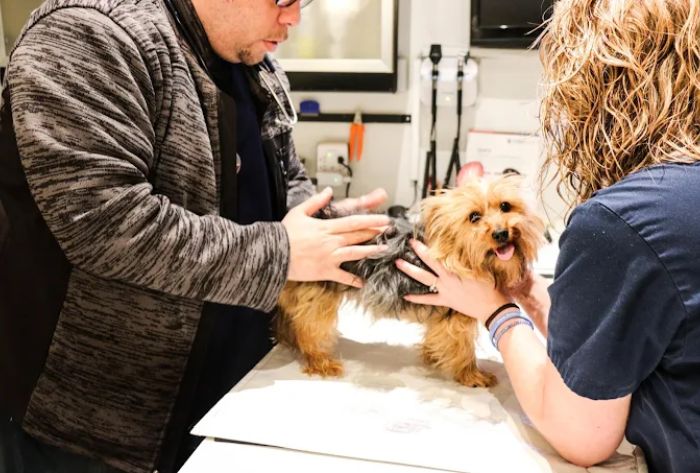
A puppy’s first exam includes a complete health assessment. The veterinarian carefully checks different areas of your puppy’s body.
The examination may include:
- Checking eyes, ears, nose, and mouth
- Listening to the heart and lungs
- Examining skin and coat condition
- Evaluating weight and body development
- Checking joints and movement
- Looking for signs of parasites or illness
This detailed evaluation helps your veterinarian understand your puppy’s current health status.
The visit is also an opportunity to discuss your concerns. New owners often have questions about feeding, training, chewing, sleeping habits, and behavior.
Discussing Vaccines and Preventive Health
Vaccinations are an important part of early puppy health. They help protect young dogs from several preventable diseases.
Your vet creates a vaccine schedule based on your puppy’s age, lifestyle, and health needs.
Preventive care may also include discussions about:
- Flea and tick prevention
- Heartworm prevention
- Intestinal parasite protection
- Routine wellness visits
Consistent preventive care supports your puppy’s growth and long-term health.
How Veterinarians Support Puppy Growth and Development
Puppies experience many physical and behavioral changes during their first year. Proper guidance during this stage can help them develop healthy habits.
Your veterinarian can provide recommendations about:
Nutrition
Growing puppies need balanced nutrition to support bones, muscles, and energy levels. A trusted professional can recommend feeding schedules and appropriate food choices based on your puppy’s breed, size, and age.
Behavior and Training
Puppies learn quickly during their early months. Positive training and proper socialization can support good behaviors.
Veterinary teams can guide owners on topics like:
- Safe social interactions
- Crate training
- Managing chewing habits
- Reducing anxiety
Dental Development
Puppies also experience important changes as their adult teeth develop. Regular oral checks help monitor dental growth. They also allow veterinarians to identify concerns early.
What Should New Owners Bring to the Appointment?
Preparing before your puppy’s first visit makes the appointment smoother. Bring any available medical records from the breeder, shelter, or previous caregiver.
You should also bring:
- A list of questions
- Information about your puppy’s diet
- Details about bathroom habits
- Any behavior concerns
- Previous vaccination records
If possible, bring a fresh stool sample. Your veterinarian may recommend testing for intestinal parasites.
How to Prepare Your Puppy for the First Visit
A positive first experience can help your puppy feel comfortable during future appointments.
Before visiting the clinic:
- Keep your puppy calm and relaxed
- Bring a comfortable carrier or leash
- Offer treats for positive reinforcement
- Avoid overwhelming experiences before the visit
Your puppy may feel nervous in a new environment. Gentle handling and patience can help them adjust.
Veterinary teams understand that puppies need time to become comfortable. A caring approach helps create trust from the beginning.
Why Early Care Matters for Your Pups’ Long-Term Health
The first year of a dog’s life is an important period. Early veterinary guidance helps owners make informed decisions about their puppy’s health. Regular visits allow veterinarians to monitor growth patterns. They can also identify changes that may need attention.
Comprehensive puppy care focuses on prevention, education, and ongoing wellness. It helps families provide the support their puppies need during every stage of development. At our veterinary practice, the team provides personalized recommendations based on each puppy’s unique needs.
Common Mistakes New Puppy Owners Should Avoid
New puppy owners often want to provide the best possible care. However, some common mistakes can affect a puppy’s health.
Avoid these mistakes:
Skipping Early Veterinary Visits
Waiting too long for the first exam may delay important preventive care.
Ignoring Small Health Changes
Changes in appetite, energy, or bathroom habits should not be overlooked.
Following Generic Advice
Every puppy has different needs. Breed, age, lifestyle, and health history all matter.
Delaying Preventive Treatments
Parasite prevention and vaccines play an important role in protecting young pets.
How Often Should Puppies Visit the Veterinarian?
Puppies usually need more frequent visits during their first months. These appointments help complete vaccination schedules and monitor development. After completing initial puppy visits, your veterinarian will recommend a wellness schedule. Regular checkups help maintain your puppy’s health as they grow into adulthood.
Schedule Your Puppy’s First Veterinary Visit Today
Your puppy’s first veterinary appointment is the beginning of a lifelong health partnership. Early care helps protect your companion and supports a happy future together.
At Pure Paws Veterinary Care of Clinton Hill, compassionate veterinary guidance helps new owners provide the right foundation for their puppies.
Schedule a puppy wellness visit today and give your new family member the healthy start they deserve.
Frequently Asked Questions
1. What age should a puppy have their first vet visit?
A puppy should usually visit a veterinarian shortly after joining a new home. Early visits help establish preventive care and monitor health.
2. What vaccines does my puppy need during the first visit?
The vaccines recommended for your puppy depend on their age, lifestyle, and health needs. Your veterinarian will create an appropriate schedule.
3. How long does a puppy’s first vet appointment take?
The first appointment may take longer than regular visits. It includes a complete examination, health discussion, and preventive care planning.
4. Should I bring anything to my puppy’s first appointment?
Bring medical records, vaccination information, questions, and details about your puppy’s diet and habits.
5. Can my puppy meet other dogs after the first vet visit?
Your veterinarian can guide you on safe socialization based on vaccination status and health risks.
6. How can I make my puppy comfortable during veterinary visits?
Use positive reinforcement, bring familiar items, and stay calm during appointments. Your attitude can influence your puppy’s experience.
7. Why are regular puppy checkups important?
Regular visits help monitor growth, prevent health issues, and provide guidance throughout your puppy’s development.