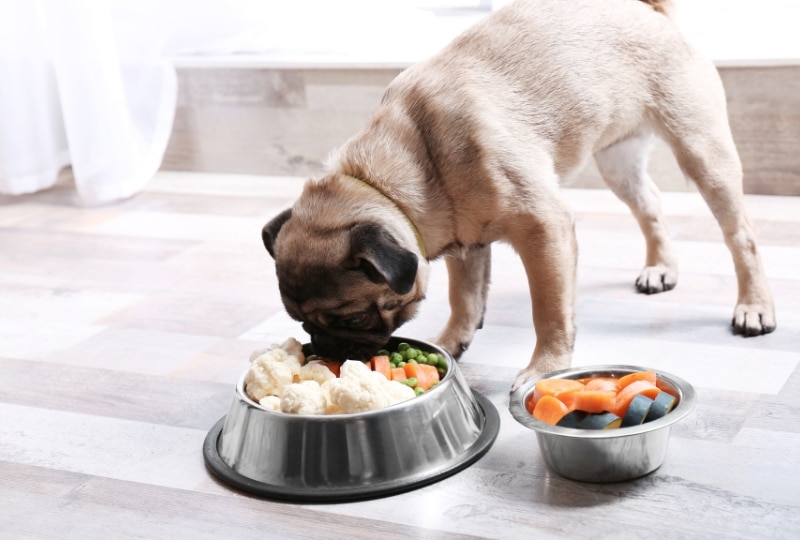
Providing your dog with the right food is one of the most important ways to support a long, active, and happy life. A balanced diet helps maintain healthy muscles, bones, skin, and organs while also strengthening the immune system. Every meal contributes to your pet’s overall health, making proper feeding habits essential from puppyhood through the senior years.
Many pet owners feel overwhelmed by the countless food choices available today. Dry kibble, canned food, raw diets, grain-free recipes, fresh meals, and homemade options all promise outstanding results. However, understanding your dog’s unique nutritional needs makes choosing the right diet much easier.
At Pure Paws Veterinary Care of Hudson Square, our veterinary team believes that informed pet owners make healthier decisions for their companions. This guide explains the basics of feeding your dog while helping you recognize what truly matters when selecting the best diet.
Why Proper Nutrition Matters
Food provides more than energy. Every nutrient supports important bodily functions that help your dog thrive. A balanced diet can contribute to:
- Healthy growth and development
- Strong muscles and bones
- Healthy skin and a shiny coat
- Improved immune function
- Better digestion
- Healthy body weight
- Increased energy levels
- Longer overall lifespan
Additionally, proper feeding habits can reduce the risk of obesity, diabetes, joint problems, and several chronic health conditions.
The Essential Nutrients Every Dog Needs
Every complete canine diet contains several key nutrients that work together to keep your dog healthy.
Protein
Protein helps build and repair muscles, skin, organs, and tissues. It also supports healthy immune function and growth. High-quality animal proteins such as chicken, beef, turkey, lamb, fish, and eggs are excellent sources.
Growing puppies, active adult dogs, and pregnant dogs generally require higher protein intake than less active pets.
Healthy Fats
Fats provide concentrated energy while supporting brain function and healthy skin. They also improve coat quality and help the body absorb important vitamins.
Omega-3 and Omega-6 fatty acids play an important role in reducing inflammation and supporting heart and joint health.
Carbohydrates
Although dogs primarily benefit from protein and fat, carbohydrates provide additional energy and valuable fiber. Whole grains, brown rice, oats, sweet potatoes, and vegetables are common carbohydrate sources.
Fiber also promotes healthy digestion and regular bowel movements.
Vitamins
Vitamins support hundreds of body functions. They help maintain vision, immune health, bone strength, metabolism, and normal cell growth.
Complete commercial diets are carefully formulated to provide appropriate vitamin levels.
Minerals
Minerals such as calcium, phosphorus, zinc, magnesium, potassium, and iron contribute to strong bones, healthy nerves, proper muscle function, and blood production.
Maintaining the right balance is important because excessive supplementation can sometimes cause health issues.
Water
Fresh, clean water is essential every day. Even mild dehydration can affect your dog’s health. Always provide unlimited access to clean drinking water, especially during hot weather or after exercise.
Feeding According to Life Stage
Nutritional requirements change as dogs age. Therefore, selecting food designed for your dog’s life stage helps ensure balanced nutrition.
Puppies
Puppies grow rapidly during their first year. They require additional calories, protein, calcium, and healthy fats to support proper development.
Most puppies benefit from eating three to four small meals each day until they mature.
Adult Dogs
Healthy adults require balanced meals that maintain lean muscle while preventing unnecessary weight gain.
Regular exercise combined with portion control supports long-term health.
Senior Dogs
Older dogs often become less active. As a result, they may require fewer calories while benefiting from diets that support joint health, digestion, and cognitive function.
Routine veterinary evaluations help determine whether dietary adjustments are needed.
Reading Pet Food Labels
Pet food labels contain valuable information once you know what to look for.
Choose foods that:
- List a quality animal protein first
- Meet AAFCO nutritional standards
- Contain balanced ingredients
- Include clearly identified protein sources
- Avoid excessive fillers
Additionally, look for foods that match your dog’s age, size, and activity level.
Portion Control Is Just as Important
Even healthy food can lead to obesity if served in excessive amounts.
To maintain a healthy weight:
- Measure every meal.
- Follow feeding guidelines as a starting point.
- Adjust portions based on activity level.
- Limit treats to less than 10% of daily calories.
- Monitor body condition regularly.
Your veterinarian can help determine the ideal daily calorie intake for your individual pet.
Healthy Treats in Moderation
Treats strengthen training and reward positive behavior. However, moderation remains important.
Healthier treat options include:
- Carrot slices
- Green beans
- Apple slices without seeds
- Blueberries
- Small pieces of cooked chicken
- Commercial low-calorie treats
Avoid giving excessive table scraps because they often contain unhealthy fats, salt, and seasonings.
Foods Dogs Should Never Eat
Certain human foods are toxic to dogs.
Avoid feeding:
- Chocolate
- Grapes
- Raisins
- Onions
- Garlic
- Xylitol sweetener
- Macadamia nuts
- Alcohol
- Coffee
- Cooked bones
- Raw bread dough
If your dog accidentally consumes any of these foods, contact your veterinarian immediately.
Common Signs Your Dog Is Receiving Proper Nutrition
A healthy diet often produces visible results.
Look for:
- Bright, alert eyes
- Consistent energy
- Healthy body weight
- Glossy coat
- Healthy skin
- Firm stools
- Strong muscles
- Healthy appetite
Regular wellness visits help confirm your dog’s nutritional health.
When Dietary Changes May Be Necessary
Some dogs develop medical conditions that require specialized diets.
Examples include:
- Food allergies
- Kidney disease
- Liver disease
- Diabetes
- Obesity
- Heart disease
- Digestive disorders
Never switch to a prescription diet without veterinary guidance.
If your dog develops persistent vomiting, diarrhea, excessive itching, unexplained weight changes, or poor appetite, schedule an examination promptly.
Working with Your Veterinarian
Every dog has unique dietary needs. Breed, age, activity level, medical history, and lifestyle all influence nutritional requirements.
A veterinarian can recommend appropriate food choices, evaluate body condition, monitor weight changes, and adjust feeding plans as your pet ages.
Professional guidance helps prevent nutritional deficiencies while supporting lifelong wellness.
Give Your Dog the Best Start Toward Lifelong Health
Providing balanced dog nutrition is one of the greatest investments you can make in your companion’s future. Healthy feeding habits support strong immunity, healthy growth, proper weight management, and improved quality of life throughout every stage.
Whether you’re raising a playful puppy or caring for a senior companion, personalized nutritional guidance can make a meaningful difference. At Pure Paws Veterinary Care of Hudson Square, our experienced veterinary team is committed to helping every pet receive the care they deserve.
If you have questions about your dog’s diet or need personalized feeding recommendations, schedule an appointment with Pure Paws Veterinary Care of Hudson Square today. Together, we can create a nutrition plan that supports your pet’s lifelong health and happiness through proper dog nutrition.
Frequently Asked Questions
1. How often should I feed my dog?
Most adult dogs eat twice daily, while puppies usually require three to four meals each day depending on their age.
2. Is grain-free food better for dogs?
Not necessarily. Unless your veterinarian recommends it for a specific medical reason, many dogs do well on balanced diets that include healthy grains.
3. Can I prepare homemade meals for my dog?
Yes, but homemade diets should be formulated with guidance from a veterinarian or veterinary nutritionist to ensure complete and balanced nutrition.
4. How do I know if my dog is overweight?
You should be able to feel your dog’s ribs without excessive fat covering them, and your dog should have a visible waist when viewed from above.
5. Are supplements necessary?
Many dogs eating complete commercial diets do not require supplements. Your veterinarian can determine whether additional nutrients are appropriate.
6. When should I consult a veterinarian about my dog’s diet?
Schedule a veterinary visit if your dog experiences unexplained weight changes, digestive issues, poor appetite, food allergies, or any health condition that may require dietary adjustments.