When considering your dog’s health and well-being, many decisions need to be made. One of the most critical procedures for dogs is spaying or neutering, especially those not intended for breeding. Although these surgeries are common, many myths and misconceptions persist. Let’s see the facts behind these myths so you can choose what is best for your furry companion.
What Are Dog Spays and Neuters?
Dog spays and neuters are surgical procedures performed to prevent unwanted pregnancies and support pet health. Spaying involves removing a female dog’s ovaries and uterus, while neutering involves removing a male dog’s testicles. These procedures are usually done when dogs are young, but can be safely performed later if needed. They help control the pet population and provide health benefits for your dog.
Myth 1: Spaying and Neutering Change Your Dog’s Personality
A widespread myth about dog spays and neuters is that they significantly alter a dog’s personality. Many think that sterilization reduces a dog’s energy levels or changes its behavior.
The truth: While removing reproductive organs can decrease behaviors driven by hormones, such as marking and aggression, a dog’s core personality remains the same. Spaying and neutering can help promote more balanced behavior by reducing the desire to roam or engage in unwanted mating-related actions.
Myth 2: Spaying and Neutering Are Dangerous and Painful
Some people believe that dog spays and neuters are very dangerous and cause significant pain for pets. This fear makes many pet owners hesitant to have the surgery done because they worry it might lead to unnecessary pain or health issues for their dogs.
The truth: Like any surgery, spaying and neutering carry some risks, but when performed by a qualified veterinarian, they are generally very safe. The procedure is usually performed under general anesthesia, and pain is managed after surgery to help your dog recover comfortably. Most dogs heal within a few days and only experience mild discomfort.
Myth 3: Let Dogs Experience One Heat Cycle Before Spaying
Some people believe that female dogs should have at least one heat cycle before they are spayed. They think this process can support the dog’s normal development and improve its health.
The truth: Spaying a dog before her first heat cycle greatly lowers the risk of specific cancers, such as mammary cancer. It also removes the danger of uterine infections, which can be severe. Allowing a dog to experience a heat cycle isn’t essential to her physical or mental growth and may lead to unwanted behaviors such as over-licking or wandering.
Myth 4: Spaying and Neutering Make Dogs Obese
Many pet owners are concerned that spaying or neutering their dogs might lead to weight gain. This worry is common but based on a false idea.
The truth: Spaying and neutering dogs may lead to a slight slowdown in their metabolism, but this does not automatically cause weight gain. The most important factors for a dog’s weight are their diet and how much of exercise they get. Dogs that have been spayed or neutered can still maintain a healthy weight if they are fed properly and get regular physical activity. If your dog begins to gain weight after surgery, simply adjusting the amount of food they eat or increasing their exercise can help keep them on track.
Myth 5: Dogs Should Have One Litter Before Being Neutered
Another myth is that female dogs must have at least one litter before being spayed, as some believe it’s essential for their health or emotional well-being.
The truth: This myth is completely false. Allowing your dog to have a litter can increase the risk of health problems such as uterine infections and mammary cancer. Spaying your dog before she has any puppies not only reduces these health risks but also prevents unwanted puppies and helps manage overpopulation.
The Benefits of Spaying and Neutering
Despite common myths, getting your dog spayed or neutered offers many benefits for their health and overall happiness. There are several reasons you should consider having this procedure performed to help your pet live a healthier, more balanced life.
- Health Benefits: Spaying and neutering prevent uterine infections and testicular cancer, and greatly reduce the risk of mammary cancer. For female dogs, spaying before the first heat offers optimal protection.
- Behavioral Benefits: Spaying and neutering reduce roaming, marking, and aggression, making dogs easier to manage and preventing unwanted mating, especially in males.
- Prevention of Overpopulation: In a city like New York, pet overpopulation is a serious issue. Spaying and neutering your dog helps reduce the number of homeless pets and improves animal welfare in your community.
What to Expect During the Surgery
The actual procedure for dog spays and neuters is straightforward and typically involves the following steps:
- Pre-Surgery Preparation: Before surgery, your dog will have a health checkup to make sure they are healthy enough for the procedure. Your veterinarian will also give you instructions on how to fast your dog before the surgery.
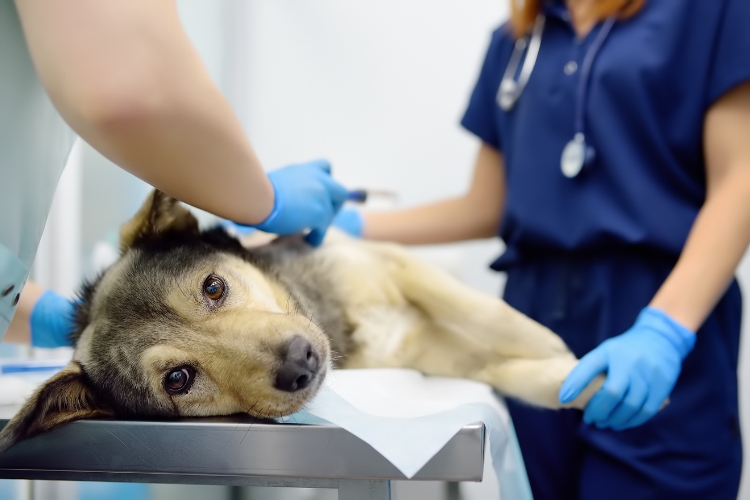
- Anesthesia: The dog will undergo surgery under general anesthesia, and the veterinarian will carefully monitor your dog’s vital signs throughout the procedure to ensure their safety.
- Surgical Procedure: The procedure is quick and typically takes less than an hour. In females, it involves removing the ovaries and uterus, while for males, it involves removing the testicles.
- Post-Surgery Care: Following surgery, your dog will be carefully observed during their awakening from anesthesia. Most dogs recover swiftly and are able to go home on the same day. Pain relief is usually given to help ensure a comfortable recovery.
- Recovery Time: Your dog should rest and avoid strenuous activity for several days to promote proper healing of the surgical site. Follow-up visits might be arranged to monitor your dog’s recovery progress.
A Healthier and Happier Future
Spaying or neutering your dog is a responsible decision that offers numerous benefits, including better overall health, improved behavior, and a positive impact on your community. This procedure not only helps control the pet population but also reduces the risk of certain health issues, such as reproductive cancers and behavioral problems like aggression or marking.
At Pure Paws Veterinary Care, we understand the importance of this decision and are here to provide you with expert guidance. Our experienced team can answer any questions you have and help you make the best choice for your dog’s health and well-being.
If you’re considering spaying or neutering your dog, schedule a consultation with Pure Paws Veterinary Care today. We’ll ensure that your pet receives the highest level of care and that you feel confident in your decision to give your dog a healthier, happier future.
FAQs
Q1. Are there any risks associated with spaying or neutering?
Ans. Like any medical procedure, there are small risks involved, but complications are uncommon. The advantages of spaying and neutering significantly outweigh the potential risks, making these procedures beneficial for your pet’s health and well-being.
Q2. Will spaying or neutering reduce my dog’s lifespan?
Ans. On the contrary, it can increase your dog’s lifespan by preventing specific health issues like cancer and infections.
Q3. Can my dog have complications from surgery?
Ans. While complications are rare, it’s essential to follow your vet’s aftercare instructions carefully to minimize risks.
Q4. How will I know if my dog is healing properly?
Ans. Look out for signs of infection, such as redness, swelling, or discharge. If you observe anything unusual, contact your veterinarian right away.
Q5. Can my dog be spayed or neutered if they are older?
Ans. Yes, older dogs can be spayed or neutered, though recovery may take a little longer. Consult with your vet for advice.