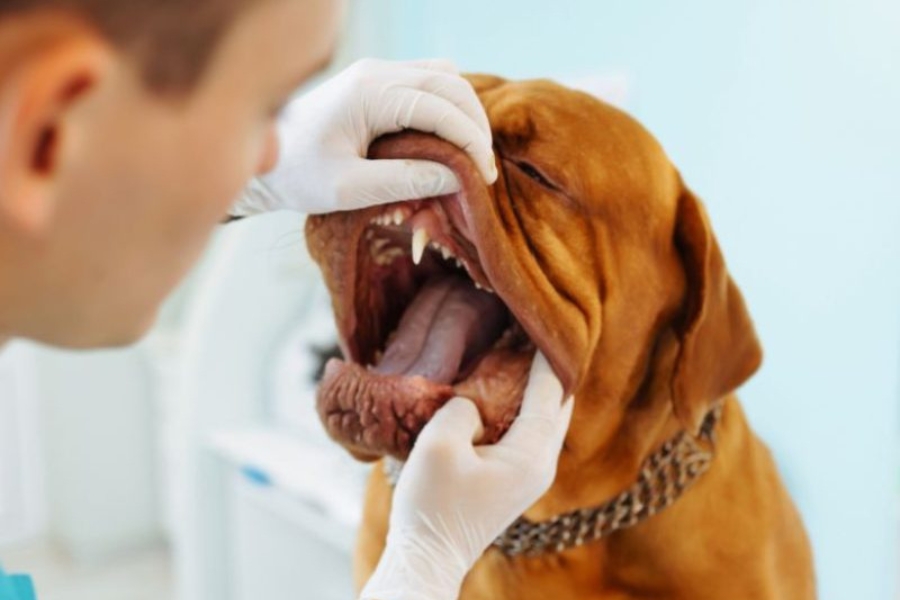
If your dog shows signs of breathing difficulties, you might be wondering how to help them. Veterinarians often use dog X-rays as a key diagnostic tool for respiratory issues. These x-rays create detailed images of your dog’s chest and lungs, enabling precise diagnoses and personalized treatment plans. Learning about how dog X-rays function and when they are necessary can help you make informed choices regarding your dog’s health.
Why X-rays Are Essential for Diagnosing Respiratory Problems
When a dog shows signs like coughing, difficulty breathing, a runny nose, or wheezing, these may indicate respiratory problems. Veterinarians often start their diagnosis by taking X-ray images of the chest, lungs, heart, and airways. These clear images help identify a range of issues, including infections, growths, fluid accumulation, and other lung conditions.
A typical lung problem in dogs is pneumonia, which involves inflammation and fluid or pus filling the lungs. X-rays can help determine how severe the infection is and assist in deciding the best treatment. They are also helpful in diagnosing dog asthma. This condition causes inflammation and tightening of the airways and can detect heart failure, which sometimes presents with symptoms similar to respiratory issues. These tools provide vital information to ensure your dog receives appropriate care.
How Are Dog X-rays Performed?
X-rays are a quick and safe way to look inside a dog’s body without surgery or pain. Usually, the dog needs to be carefully positioned so that clear images of the lungs, heart, and other vital areas can be obtained. Sometimes, light sedation is used to help the dog stay still during the procedure, especially if the dog is anxious or restless.
Positioning the Dog
The dog is typically placed on their side or back, depending on the area of focus. The veterinarian will ensure proper positioning to obtain the most accurate results.
Taking the X-ray
A series of images will be captured, and the veterinarian will likely take multiple shots from different angles to get a complete view of the dog’s chest and lungs.
Analysis of Results
After the X-ray is taken, the images will be reviewed by the veterinarian. They will look for signs of lung diseases, heart problems, tumors, or fluid buildup. In some cases, the X-rays may be sent to a radiologist for further analysis.
Conditions Detected by Dog X-rays
Dog x-rays can detect a wide range of respiratory and cardiovascular problems. Some of the common conditions diagnosed with dog x-rays include:
- Pneumonia: Fluid buildup in the lungs caused by bacterial, viral, or fungal infections.
- Lung Cancer: Tumors or masses in the lungs that may cause coughing, weight loss, and difficulty breathing.
- Heart Disease: An enlarged heart or fluid in the lungs due to heart failure can sometimes mimic respiratory distress.
- Pleural Effusion: Accumulation of fluid between the lungs and the chest wall, often caused by infections, heart failure, or cancer.
- Collapsed Trachea: A condition common in smaller dog breeds like Chihuahuas, where the trachea weakens and narrows, causing coughing and difficulty breathing.
- Brachycephalic Airway Syndrome: Common in brachycephalic breeds such as Bulldogs and Pugs, this syndrome causes upper airway obstruction that can lead to respiratory issues.
Benefits of Dog X-rays in Respiratory Diagnosis
Non-invasive
X-rays are a non-invasive, rapid method, making them an excellent initial step in diagnosing respiratory issues in dogs. They provide veterinarians with a clear view of the chest’s interior without the need for surgery.
Accurate Diagnosis
X-rays provide clear images that help identify issues such as tumors, fluid buildup, or airway blockages. This enables the veterinarian to make an accurate diagnosis and start treatment quickly.
Guides Treatment Plans
After diagnosing the condition with dog x-rays, your veterinarian can customize the treatment to suit your dog’s particular needs. Whether it involves medication, surgery, or lifestyle adjustments, an accurate diagnosis is crucial for successful treatment.
Other Diagnostic Tools for Respiratory Problems
Although dog X-rays are invaluable, they are often combined with other diagnostic tools to understand your dog’s health better. Standard additional tests include:
- Blood Tests: To check for infections or inflammation in the body.
- Ultrasound: Used to assess the heart, liver, or lungs in more detail.
- Bronchoscopy: A procedure that uses a camera to look inside the airways and identify obstructions or inflammation.
- CT Scans: Provide detailed cross-sectional images of the body, which can be particularly helpful for diagnosing tumors or abnormalities that are not visible on X-rays.
The Importance of Dog X-rays for Respiratory Health
If your dog exhibits signs of breathing problems, diagnostic imaging like X-rays is crucial for identifying the underlying cause. X-rays can reveal a range of respiratory issues such as infections, tumors, or heart conditions. Early detection of these problems is vital for choosing the best treatment approach and avoiding additional complications.
At Pure Paws, we recognize the significance of prompt and precise diagnostics for your dog’s respiratory health. In regions like Miami, where allergens and air pollution are prevalent, early detection can be crucial. We employ cutting-edge X-ray technology to deliver a detailed view of your dog’s condition, ensuring they get the highest quality care.
If your dog is having trouble breathing, don’t wait—schedule a consultation with Pure Paws Veterinary Care today. Our team is prepared to identify the underlying cause of your dog’s symptoms and develop a personalized treatment plan, helping your dog breathe more easily and enjoy better health.
Faqs
Q1. How long does it take to get results from dog X-rays?
Ans. Dog x-rays usually provide immediate results. The veterinarian will review the images during the appointment or send them to a radiologist for further analysis, which can take a few hours.
Q2. Can X-rays help diagnose a collapsed trachea in dogs?
Ans. Yes, dog X-rays can help diagnose a collapsed trachea by revealing any narrowing or blockage in the airway, a common issue in small dog breeds.
Q3. What is pleural effusion, and can X-rays detect it?
Ans. Pleural effusion refers to fluid accumulation between the lungs and the chest wall. Dog X-rays can identify this condition by revealing fluid buildup within the chest cavity.
Q4. How do X-rays help in diagnosing lung tumors in dogs?
Ans. X-rays generate detailed images of the lungs, helping the veterinarian detect tumors or masses. If cancer is suspected, additional tests might be necessary to confirm whether it is malignant.
Q5. How can X-rays help with diagnosing heart failure in dogs?
Ans. X-rays can reveal an enlarged heart or fluid buildup in the lungs, both common indicators of heart failure. This information helps the veterinarian determine the best treatment approach.