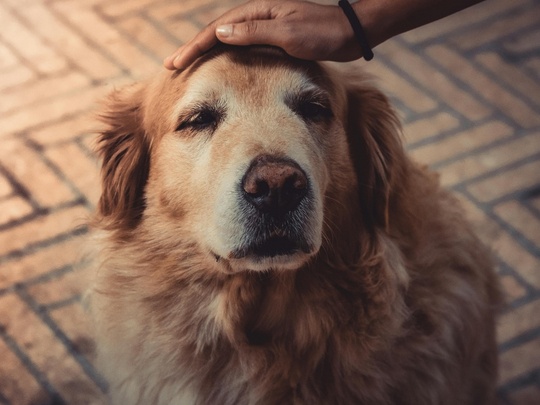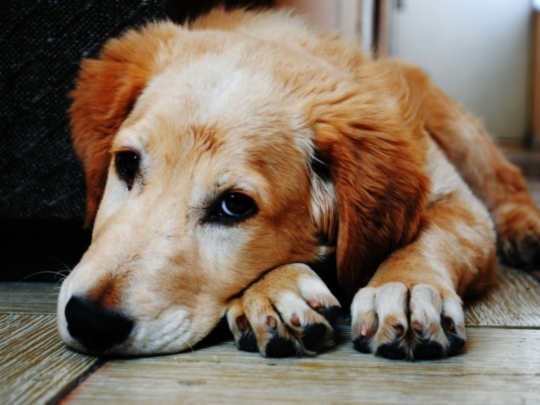
Watching your dog slow down can be difficult, especially when familiar activities become harder. Your once energetic companion may hesitate before climbing stairs, struggle to stand after resting, or lose interest in longer walks. These changes can indicate joint discomfort, which becomes more common as dogs age.
Getting older does not mean your dog must give up the activities they enjoy. Small changes to their daily routine can make movement easier and help them remain comfortable. From choosing suitable exercise to maintaining a healthy weight, everyday decisions can influence how your dog feels.
For pet parents in Brooklyn, understanding these changes is an important part of caring for an aging companion. With senior dog care and a thoughtful approach at home, you can help your dog maintain mobility, enjoy familiar routines, and remain involved in family life. Our veterinary team believes that supporting an older dog’s comfort involves more than addressing individual symptoms. It means paying attention to their changing needs and finding practical ways to improve their everyday experiences.
Why Aging Dogs Experience Joint Discomfort
A dog’s joints undergo natural changes throughout life. Over time, cartilage may wear down, muscles can lose strength, and inflammation may develop around the joints. These changes can make ordinary movements uncomfortable.
Osteoarthritis is one common cause of joint pain in older dogs. It occurs when the protective cartilage within a joint deteriorates. As the condition progresses, movement can become increasingly difficult.
Several factors can influence joint health:
- Age: Natural wear and tear can affect cartilage, muscles, and connective tissues.
- Breed and size: Larger breeds may face greater joint stress, while certain breeds have inherited orthopedic risks.
- Previous injuries: Earlier joint or ligament injuries can contribute to discomfort later in life.
- Excess body weight: Additional weight places more pressure on joints, making movement harder.
- Reduced activity: Less movement can weaken supporting muscles and contribute to stiffness.
Not every older dog develops arthritis, and joint discomfort is not always caused by aging. A veterinary examination can help identify the underlying problem and determine appropriate care.
Recognizing Early Signs of Joint Problems
Dogs often adjust their behavior when something hurts. Rather than showing obvious signs of pain, they may quietly avoid movements that cause discomfort.
Pay attention to changes in your dog’s usual habits, including:
- Taking longer to stand after lying down.
- Walking more slowly or falling behind during walks.
- Hesitating before climbing stairs or jumping.
- Limping, especially after exercise or rest.
- Showing less interest in playing or exploring.
- Licking or chewing around a painful joint.
- Becoming irritable when touched or handled.
- Having difficulty finding a comfortable sleeping position.
Some dogs also become less social because movement feels uncomfortable. They may prefer staying in one place rather than following family members around the house.
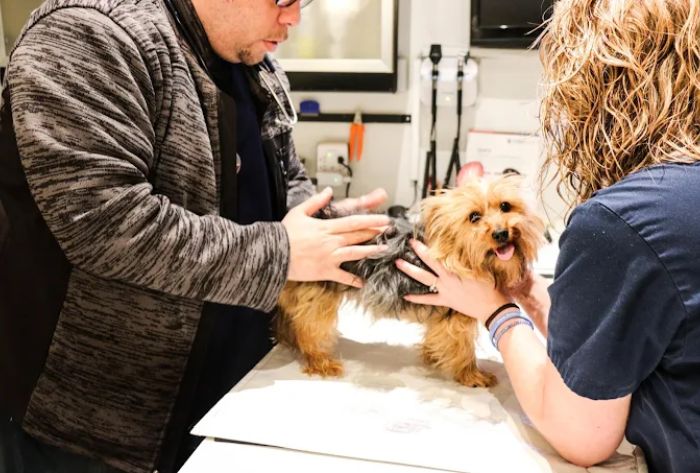
These signs deserve attention, even when they seem minor. Joint problems can progress gradually, so early veterinary evaluation helps identify changes before they significantly affect daily activities.
If your dog suddenly cannot stand, experiences severe pain, or develops sudden weakness, seek prompt veterinary attention.
Everyday Changes That Support Joint Comfort
Home adjustments cannot reverse joint damage, but they can make daily movement easier. A few thoughtful changes can reduce unnecessary strain and help your dog feel more secure.
Choose Gentle, Consistent Exercise
Regular movement helps maintain muscle strength and supports joint flexibility. However, older dogs may not tolerate the same exercise routines they enjoyed when younger.
Instead of long, demanding walks, consider shorter outings throughout the day. Let your dog set a comfortable pace and take breaks whenever needed.
Helpful activities include:
- Short neighborhood walks on even surfaces.
- Gentle play sessions without sudden turns.
- Slow walks through quiet parks.
- Controlled movement on flat, familiar paths.
Avoid forcing your dog to continue when they show signs of discomfort. Running, jumping, and strenuous games may place unnecessary stress on painful joints.
Consistency matters more than distance. A manageable daily routine can help your dog stay active without becoming exhausted.
Maintain a Healthy Body Weight
Extra body weight increases the pressure placed on your dog’s hips, knees, and other joints. This additional strain can make existing discomfort worse.
Maintaining a healthy weight is one of the most useful steps you can take to support mobility. However, weight management should consider your dog’s age, body condition, activity level, and medical history.
You can help by:
- Measuring meals instead of estimating portions.
- Following appropriate feeding recommendations.
- Limiting treats and table scraps.
- Choosing suitable food for your dog’s life stage.
- Monitoring weight changes during routine veterinary visits.
Do not reduce food portions drastically without veterinary guidance. Older dogs still need enough nutrients to maintain muscle mass and overall health.
Our vets can assess your dog’s body condition and discuss suitable feeding amounts. Nutritional consultations can also help address weight concerns and create an appropriate feeding plan.
Provide Supportive Bedding
A comfortable resting place can make a noticeable difference for dogs with stiff joints. Hard floors may increase pressure on sensitive areas, especially when dogs spend more time resting.
Consider providing an orthopedic or supportive dog bed. Choose one that allows your dog to lie down and stand up without struggling.
Keep the bed in a warm, quiet area away from cold drafts. Make sure it remains easy to reach without climbing stairs.
If your dog sleeps in your bedroom, consider placing another bed nearby. This allows them to rest close to you without jumping onto furniture.
Make Floors Safer to Walk On
Slippery surfaces can make older dogs nervous about moving around. Dogs with joint discomfort may struggle to maintain their balance on hardwood, tile, or polished floors.
Place nonslip rugs or rubber-backed mats along frequently used walking paths. Focus on areas near food bowls, water stations, beds, and doorways.
You can also make a few additional changes:
- Keep walkways free from clutter.
- Add traction mats near stairs.
- Use ramps where appropriate.
- Keep food and water bowls at comfortable heights.
- Avoid rearranging familiar furniture unnecessarily.
These adjustments help reduce slipping risks and make everyday movement less stressful.
Adjust Walks and Outdoor Activities
Outdoor time remains important for older dogs, but their surroundings may need some adjustments. Choose routes with smooth paths and fewer steep inclines. Avoid uneven ground when your dog struggles with balance or joint movement.
Brooklyn’s busy sidewalks and crowded streets can also make walks challenging. Quieter routes may give your dog more room to move comfortably.
Watch for signs that your dog needs a break. Excessive panting, slowing down, limping, or repeatedly sitting down can indicate discomfort or fatigue. Remember that your dog’s walking ability may change from day to day. Adjust the duration and pace accordingly.
Support Muscle Strength Without Overexertion
Muscles surrounding the joints help support movement and stability. When dogs become less active, these muscles can weaken, placing additional demands on their joints. Gentle, veterinarian-approved activities can help maintain muscle strength. Depending on your dog’s condition, your vet may recommend controlled walking or other low-impact exercises.
Avoid introducing new activities without professional guidance. Some movements that appear gentle may still aggravate an existing injury or orthopedic condition. Your dog’s exercise plan should reflect their current mobility, health history, and physical limitations.
Keep a Consistent Daily Routine
Older dogs often benefit from predictable schedules. Regular meal times, bathroom breaks, walks, and rest periods can help them manage their energy throughout the day.
Avoid sudden increases in physical activity after long periods of rest. Gradual changes give your dog time to adjust.
A consistent routine also helps you notice changes in their movement. You may recognize stiffness, reduced stamina, or discomfort sooner when you understand their usual behavior.
Give Your Senior Dog More Comfortable Days
You do not have to wait until your dog struggles to walk before seeking help. With personalized attention and ongoing veterinary guidance, you can give your companion more opportunities to enjoy comfortable, active days.
At Pure Paws Veterinary Care of Clinton Hill, we understand how much your dog means to your family. Our veterinary team is here to help you recognize age-related changes, explore appropriate senior dog care, and make informed decisions about your dog’s health.
Contact our veterinary team today at (718) 783-5500 or schedule an appointment to discuss your dog’s changing needs. Let us help your beloved companion enjoy their golden years with the attention and care they deserve.
Frequently Asked Questions
1. How can I tell if my senior dog has joint pain?
Watch for stiffness, limping, slower walks, difficulty standing, and reluctance to climb stairs. Dogs may also become less playful or avoid jumping. Schedule a veterinary examination if you notice these changes.
2. Should senior dogs continue exercising when they have arthritis?
Yes, appropriate movement can help maintain muscle strength and joint function. Short, gentle walks are often preferable to strenuous activities. Ask your veterinarian to recommend an exercise routine based on your dog’s condition.
3. Can changing my dog’s diet improve joint comfort?
A balanced diet and healthy weight can reduce unnecessary pressure on joints. Your veterinarian can recommend appropriate food portions and nutritional adjustments. Supplements should only be introduced after discussing their suitability with your vet.
4. Where can I find senior dog care in Clinton Hill?
Pure Paws Veterinary Care of Clinton Hill provides senior pet examinations, diagnostic testing, and pain management. Our vets assess age-related health changes and recommend appropriate care based on your dog’s individual needs.
5. Does Pure Paws Veterinary Care of Clinton Hill offer acupuncture for dogs with arthritis?
Yes. Our veterinary practice offers dog acupuncture to help manage arthritis-related pain and support mobility. Our veterinarian evaluates each dog before recommending treatment and determines the appropriate approach.
6. How often should I take my senior dog for veterinary checkups in Brooklyn?
Senior dogs generally benefit from veterinary wellness visits at least twice yearly. Pure Paws Veterinary Care of Clinton Hill recommends regular examinations and appropriate health screenings to monitor age-related changes and identify potential concerns.