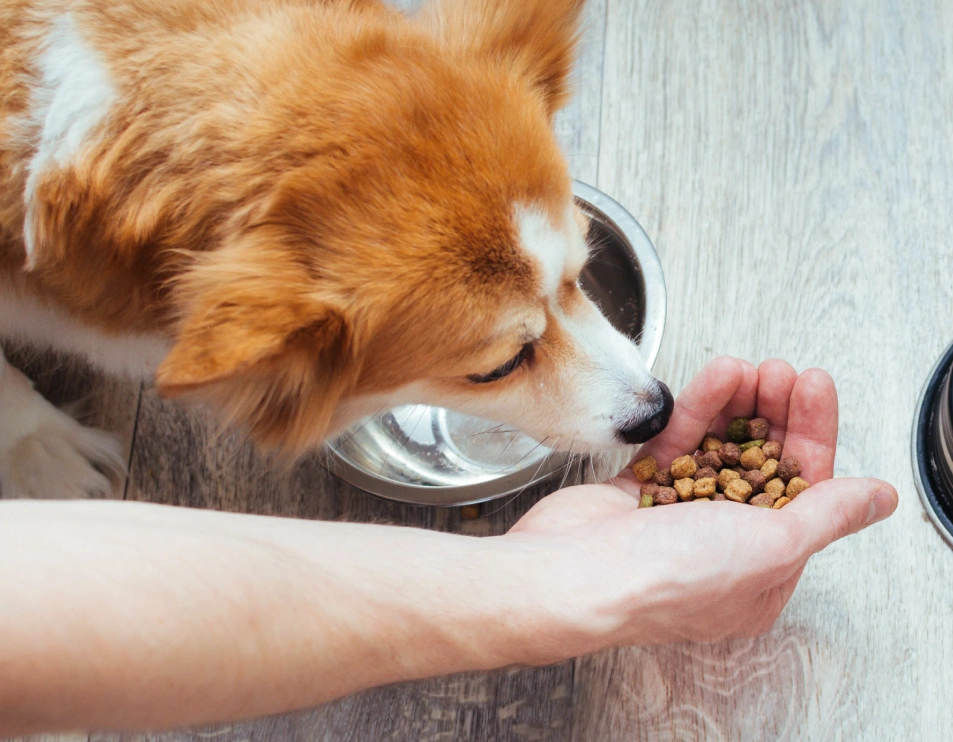
A dog’s excitement over a favorite treat is hard to resist. Whether you reward good behavior, practice training commands, or share a little snack, treats often become part of everyday life. However, those extra bites can add more calories than many pet owners realize.
Treats should make your dog happy without taking away from the nutrition provided by regular meals. Choosing the right options and serving appropriate portions can help maintain a healthy weight and support overall well-being. For pet parents in Hudson Square, understanding what goes into a dog’s treats is an important part of responsible feeding.
Our veterinary team believes that healthy eating habits begin with everyday decisions. This guide explains how to select better treats, recognize ingredients worth avoiding, and keep snack portions under control. With a little planning and guidance from our vets, you can reward your dog while protecting the balanced diet that supports a happy, active life.
Why Treat Choices Matter for Dogs
Treats may seem like a small part of your dog’s daily routine. However, frequent snacking can affect weight, digestion, and nutrient intake.
Most commercial treats are not designed to provide complete nutrition. They serve as rewards rather than replacements for regular meals. Giving too many can reduce your dog’s appetite for balanced food or add unnecessary calories.
A thoughtful approach to dog nutrition considers everything your pet eats throughout the day. This includes biscuits, training rewards, table scraps, dental chews, and occasional snacks.
Treat choices also matter as dogs age. Puppies, adult dogs, and senior pets have different nutritional requirements. A snack that suits an active young dog may not suit an older dog with weight or joint concerns.
What Makes a Dog Treat Healthy?
A healthy treat should complement your dog’s regular meals without adding excessive calories. Look beyond attractive packaging and consider the ingredients, nutritional value, and serving size.
Here are some qualities worth looking for when shopping for dog treats.
Simple and Recognizable Ingredients
Choose treats with clearly listed ingredients that you can identify. Options containing recognizable protein sources and limited additives are often easier to evaluate.
Avoid products with unnecessary added sugars, excessive salt, or high-fat ingredients. These additions can contribute extra calories without providing meaningful benefits.
Appropriate Calorie Content
Check the calorie count before purchasing a new treat. Small dogs may need much smaller portions than larger breeds.
Some treats contain surprisingly high amounts of calories despite their small appearance. Comparing product labels helps you choose options that fit your dog’s daily requirements.
Suitable for Your Dog’s Age
Your dog’s age can influence which treats are appropriate.
- Puppies: Choose small, appropriately textured treats that are easy to chew and suitable for their developing bodies.
- Adult dogs: Select treats that support healthy weight maintenance and fit their activity levels.
- Senior dogs: Consider softer options if your dog has difficulty chewing. Also, account for changing activity levels and calorie requirements.
Your veterinarian can help determine which options suit your dog’s current health and life stage.
Healthy Human Foods Dogs Can Enjoy
You do not always need specialty products to reward your dog. Certain everyday foods can serve as occasional snacks when prepared correctly.
These options are generally suitable for healthy dogs without dietary restrictions.
Carrots
Carrots provide fiber and have relatively few calories. Serve them raw or lightly cooked without seasoning. Cut them into small pieces to reduce choking risks.
Green Beans
Plain green beans offer a crunchy snack with relatively few calories. Serve them fresh or cooked without butter, salt, or seasoning.
Cucumbers
Cucumber slices provide moisture and a light crunch. Their low-calorie content makes them a useful occasional snack for many dogs.
Apples
Small apple pieces provide fiber and make a naturally sweet snack. Remove the seeds and core before serving
Blueberries
Blueberries contain antioxidants and can be offered in small quantities. Their small size makes them convenient rewards for many dogs.
Introduce unfamiliar foods gradually and watch for digestive changes. Even generally safe foods may not agree with every dog.
Keep Treat Portions Within Daily Limits
Choosing nutritious snacks is only half the responsibility. How much your dog eats matters just as much.
The general veterinary recommendation is to keep treats and other extras within 10% of your dog’s daily calorie intake. The remaining 90% should come from complete and balanced food.
For example, if your dog needs 500 calories daily, no more than 50 calories should come from treats and additional snacks.
Keep these practical habits in mind:
- Measure portions: Count treats as part of your dog’s daily calorie allowance.
- Break larger treats: Smaller pieces can provide the same reward without adding unnecessary calories.
- Limit table scraps: Avoid sharing food throughout the day without accounting for its calories.
- Coordinate with family: Make sure everyone follows the same feeding routine.
- Track daily rewards: Include training treats and dental chews when calculating daily intake.
Remember that calorie requirements differ between individual dogs. Your veterinarian can calculate an appropriate daily allowance based on weight, age, activity, and health.
Foods and Ingredients Dogs Should Avoid
Not every food that is safe for people is suitable for dogs. Some common household ingredients can cause serious health problems.
Keep these foods away from your pet:
- Chocolate: Contains substances that can cause toxicity in dogs.
- Grapes and raisins: Can cause kidney damage, even in small amounts.
- Onions and garlic: Can damage red blood cells.
- Macadamia nuts: May cause weakness, vomiting, and other symptoms.
- Xylitol: This sweetener can cause dangerously low blood sugar and liver injury.
- Alcohol: Can cause serious poisoning.
- Raw yeast dough: Can expand inside the stomach and produce alcohol during fermentation.
Also avoid cooked bones, very hard chews, and foods with excessive fat or salt. Some products can cause digestive problems, dental injuries, or intestinal obstructions.
Read ingredient labels carefully, especially when purchasing products marketed as natural or sugar-free. If your dog accidentally eats something potentially toxic, contact a veterinarian or animal poison control service immediately.
Adjust Treats for Weight and Health Needs
A treat that works well for one dog may not be appropriate for another. Existing health conditions, body weight, and dietary restrictions can change which snacks are suitable.
Here are a few situations that require additional attention.
Dogs Working Toward Weight Loss
Extra calories can make weight management difficult, even when your dog eats measured meals.
Choose low-calorie options and reduce the size of individual rewards. You can also use a portion of your dog’s regular kibble during training.
Our vets can recommend suitable snacks that fit an individualized weight management plan.
Dogs With Food Sensitivities
Some dogs develop digestive upset or allergic reactions after eating certain ingredients.
If your dog has known food sensitivities, check every ingredient before introducing a new treat. Avoid experimenting with multiple unfamiliar foods at once.
Your veterinarian can help identify suitable alternatives based on your dog’s dietary history.
Dogs With Medical Conditions
Certain medical conditions require specific dietary adjustments. For example, dogs with pancreatitis may need restrictions on fat intake.
Dogs following prescription diets may also need specially approved treats. Additional foods can interfere with the purpose of certain therapeutic diets.
Always discuss new snacks with your veterinarian before making changes.
Make Treat Time More Meaningful
Treats can offer more than an enjoyable snack. They can also support training, encourage positive behavior, and provide mental stimulation.
Try these simple ideas to make rewards more useful:
- Use treats during training: Reward your dog immediately after a desired behavior.
- Try food puzzles: Place approved treats inside enrichment toys to encourage problem-solving.
- Offer smaller rewards: Use tiny portions throughout training sessions instead of large snacks.
- Reward calm behavior: Give an appropriate treat when your dog settles quietly or follows household routines.
- Use regular kibble: Set aside part of your dog’s daily food allowance for training rewards.
These activities provide opportunities for interaction without relying on frequent, oversized snacks. Always supervise your dog when using food-dispensing toys.
How Our Vets Support Better Feeding Habits
Choosing appropriate treats becomes easier when you understand your dog’s individual nutritional requirements. Our veterinary team considers more than the food listed on your pet’s feeding schedule.
At Pure Paws Veterinary Care of Hudson Square, we evaluate your dog’s weight, diet, lifestyle, and overall health during regular wellness examinations.
Our personalized dog nutrition consultations can help address concerns such as unwanted weight changes, nutritional deficiencies, and feeding difficulties.
We can also help you:
- Select appropriate food options based on your dog’s nutritional requirements.
- Determine suitable feeding schedules and portion sizes.
- Find healthy treats that fit your dog’s daily calorie allowance.
- Discuss supplements for skin, joint, and digestive support when appropriate.
- Develop exercise strategies that match your dog’s physical abilities.
Our goal is to make everyday feeding decisions easier while supporting your dog’s long-term health. We adjust recommendations according to age, breed, activity level, and medical history.
Whether you have a growing puppy or an older companion, our vets can help you make informed decisions about their meals and snacks.
Give Your Dog Healthier Rewards Every Day
A favorite treat can bring excitement to your dog’s day, strengthen your bond, and make training more enjoyable. However, those little rewards should never come at the expense of proper nutrition.
Choosing suitable ingredients, controlling portions, and considering individual health needs can make a meaningful difference. Small changes to everyday feeding habits can help your dog maintain a healthy weight, stay active, and enjoy familiar routines.
Our veterinary team at Pure Paws Veterinary Care of Hudson Square is here to help you make those choices with confidence. We take the time to understand your dog’s needs and recommend practical feeding adjustments that support lasting well-being.
Ready to make better choices for your dog’s health? Contact our veterinary practice to schedule a personalized nutrition consultation. Call (212) 203-4187 or book an appointment online. Let’s work together to keep your dog healthy, happy, and ready to enjoy every treat-filled moment.
Frequently Asked Questions
1. How many treats should I give my dog each day?
Treats should generally account for no more than 10% of your dog’s daily calories. The appropriate number depends on each treat’s calorie content and your dog’s individual needs. Ask your veterinarian to help establish a suitable daily allowance.
2. Are homemade treats healthier than store-bought dog treats?
Not necessarily. Homemade treats allow you to control ingredients, but they can still contain excessive calories or unsuitable foods. Store-bought options can also be appropriate when you check their ingredients, calorie content, and serving recommendations.
3. Can I give my dog fruits and vegetables as treats?
Yes, many dogs can enjoy small portions of carrots, cucumbers, green beans, blueberries, and apples. Always prepare them safely, remove harmful parts, and introduce new foods gradually. Check with your veterinarian if your dog has dietary restrictions.
4. Can Pure Paws Veterinary Care of Hudson Square recommend healthy treats for my dog?
Yes. Our vets evaluate your dog’s weight, age, diet, and health during nutrition consultations. We can recommend suitable treats, feeding schedules, and portion sizes that support your dog’s individual nutritional requirements.
5. How can Pure Paws Veterinary Care of Hudson Square help my overweight dog?
Our veterinary team evaluates your dog’s current weight, eating habits, and activity level. We can create a personalized weight management plan with appropriate food portions, healthy treat recommendations, and exercise strategies.
6. Should I change my dog’s treats as they get older?
Yes, your dog’s nutritional needs can change with age. Senior dogs may require fewer calories or softer treats, depending on their health and dental condition. Our vets can recommend appropriate adjustments during regular wellness examinations.