Cats are naturally skilled at hiding signs of discomfort. This behavior helped their wild ancestors stay protected from predators. However, it can make it difficult for pet owners to notice health concerns early.
Dental problems are among the issues cats often conceal. A cat may continue eating, playing, and interacting while experiencing oral discomfort. Small changes in behavior can sometimes be the first warning signs.
At Pure Paws Veterinary Care of Hudson Square, our team provides compassionate veterinary services for cats in Hudson Square and nearby New York City neighborhoods. We focus on identifying dental concerns and helping pets maintain healthier smiles through professional care.
Understanding why cats hide dental pain can help owners recognize problems sooner. Early attention can protect their comfort, nutrition, and overall well-being.
Why Do Cats Hide Dental Pain?
Cats are experts at masking weakness. In nature, showing pain could make them vulnerable. This instinct remains even in indoor cats living in loving homes throughout Hudson Square.
A cat with dental discomfort may not cry or show obvious distress. Instead, they may quietly adjust their habits to avoid pain.
Common reasons cats hide dental issues include:
- Survival instincts that reduce visible signs of illness
- Gradual development of dental problems
- Ability to adapt to discomfort over time
- Subtle changes that owners may overlook
Because cats often hide symptoms, routine oral evaluations are important. A veterinarian can identify problems that may not be visible during daily interactions.
Common Dental Problems That Affect Cats
Cats can experience several oral health concerns throughout their lives. Some conditions may develop slowly and become painful without early attention.
Periodontal Disease
Periodontal disease occurs when plaque and bacteria build around the teeth. Over time, this can affect the gums and supporting structures.
Signs may include:
- Bad breath
- Red or swollen gums
- Difficulty chewing
- Reduced interest in food
Without treatment, periodontal problems can affect a cat’s comfort and quality of life.
Tooth Resorption
Tooth resorption is a painful condition where the body begins breaking down a tooth. Many cats experience discomfort from this condition.
Affected cats may avoid chewing on one side. They may also drop food while eating.
Broken or Damaged Teeth
Cats can break teeth from injuries or other causes. A damaged tooth may expose sensitive areas and create significant discomfort.
A cat may continue normal activities despite the pain. This makes regular veterinary dental checks important.
Signs Your Cat May Be Hiding Dental Pain
Recognizing small behavioral changes can help owners seek care earlier. Cats communicate discomfort differently than dogs.
Watch for these possible signs:
Changes in Eating Habits
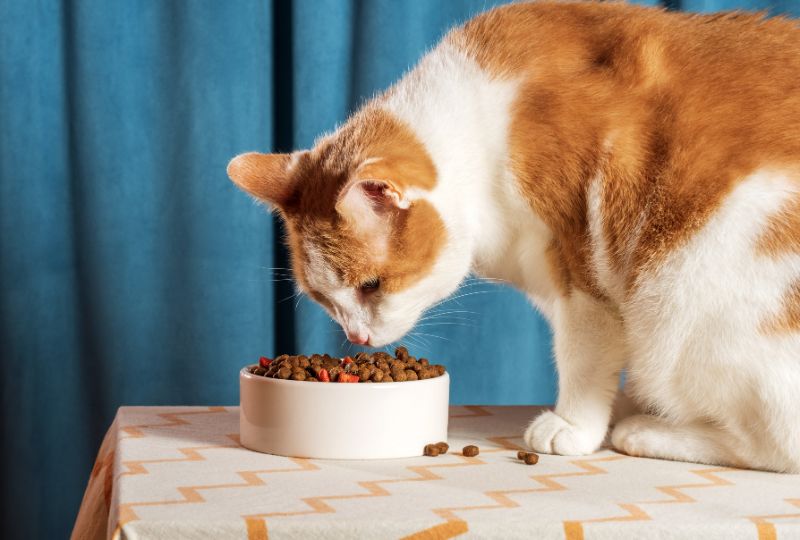
A cat with dental pain may approach food differently. They may chew slowly or leave food behind. Some cats prefer softer foods because they are easier to eat. Others may suddenly lose interest in meals.
Dropping Food From the Mouth
If your cat drops kibble while eating, it may indicate oral discomfort. This behavior can happen when chewing becomes painful or difficult.
Increased Drooling
Excessive drooling is not normal for most cats. It may signal irritation, inflammation, or oral pain. Some cats may also have blood in their saliva.
Bad Breath
A strong or unpleasant odor from your cat’s mouth should not be ignored. Persistent bad breath may indicate bacterial buildup or dental disease.
Pawing at the Mouth
Cats may touch their face or mouth when something feels uncomfortable. Frequent pawing can be a sign that your cat needs an oral evaluation.
Changes in Behavior
Dental discomfort can affect a cat’s personality. A normally social cat may become withdrawn. They may hide more often or avoid interaction.
For cat owners in Hudson Square, these small changes can be particularly important to recognize because a cat that spends most of its time indoors may have fewer obvious opportunities to show that something is bothering them.
Why Regular Dental Care Matters for Cats
Many dental problems develop below the gumline. A visual check at home may not reveal the complete condition of your cat’s mouth.
Professional dental evaluations help detect concerns early. They also allow veterinarians to recommend appropriate treatment options.
Routine cat dentistry focuses on maintaining oral health and addressing dental concerns before they become more serious. Professional care may include oral examinations, dental cleanings, and treatment recommendations based on your cat’s needs.
Regular dental attention can help your cat:
- Eat comfortably
- Maintain healthy gums
- Prevent worsening dental disease
- Enjoy a better quality of life
What Happens During a Cat Dental Examination?
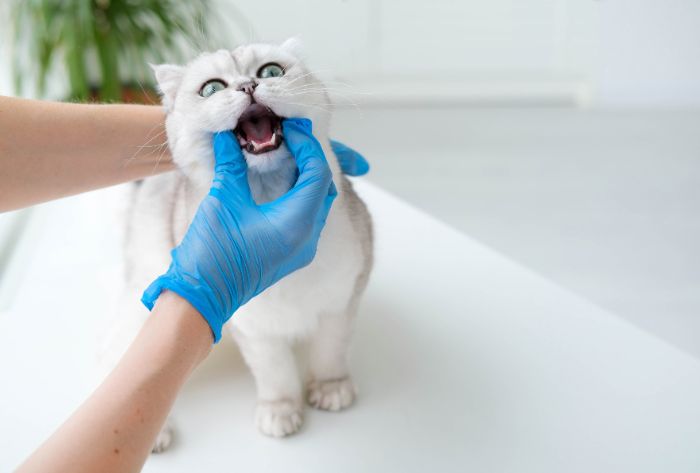
A veterinary dental visit begins with a thorough assessment of your cat’s overall health. The veterinarian checks the mouth for signs of inflammation, infection, damaged teeth, and other concerns. Depending on your cat’s condition, additional steps may be recommended.
These may include:
Oral Examination
The veterinarian examines the teeth and gums for visible problems. This helps identify signs of dental disease.
Dental Cleaning
Professional cleaning helps remove plaque and tartar that cannot be removed through regular brushing alone.
Further Treatment Recommendations
If dental problems are found, your veterinarian will explain the available options. Treatment depends on the severity and specific condition.
At Pure Paws Veterinary Care of Hudson Square, our team provides dental support based on each cat’s individual comfort and health needs.
How Hudson Square Cat Owners Can Support Better Dental Health at Home
Home care plays an important role in maintaining your cat’s oral health. Small daily habits can make a difference.
Consider these steps:
- Schedule routine veterinary wellness visits
- Introduce tooth brushing gradually
- Use dental products recommended for cats
- Monitor changes in eating and behavior
- Pay attention to unusual mouth-related signs
- Discuss changes in your cat’s oral health during veterinary visits
Cats may not show pain clearly, but owners who understand their normal routines are often in the strongest position to recognize when something changes.
When Should You Schedule a Veterinary Visit?
You should contact your veterinarian if you notice signs of possible dental discomfort.
Schedule an appointment if your cat shows:
- Difficulty eating
- Sudden appetite changes
- Persistent bad breath
- Mouth swelling
- Drooling
- Changes in grooming habits
- Increased hiding
Do not wait for your cat to stop eating before seeking veterinary attention. Because cats can hide discomfort, seemingly minor changes may deserve a closer look.
Protect Your Cat’s Smile in Hudson Square With Our Professional Care
Your cat depends on you to notice the signs they cannot express. Dental pain may remain hidden, but subtle changes in eating, grooming, and behavior can indicate that something is wrong. Regular oral care and veterinary evaluations can protect your cat’s comfort and long-term health.
For cat owners in Hudson Square and nearby communities, Pure Paws Veterinary Care of Hudson Square provides veterinary care focused on your cat’s health and well-being. Our team offers professional cat dentistry services to identify oral health concerns and help cats maintain healthier, more comfortable mouths.
If your cat has developed bad breath, changed the way they eat, started drooling, or simply has not had their oral health checked recently, consider scheduling a veterinary visit. A dental evaluation can help determine what is happening beneath those subtle changes and what care may be appropriate.
Schedule an appointment today.
Frequently Asked Questions
1. How can I tell if my cat has dental pain?
Cats with dental pain may show subtle signs. These include bad breath, difficulty eating, drooling, pawing at the mouth, and behavioral changes. Some cats may hide more than usual.
2. Why do cats hide signs of dental problems?
Cats naturally hide weakness because of survival instincts. They may continue normal activities even when experiencing discomfort.
3. How often should cats have dental checkups?
The recommended frequency depends on your cat’s age, health, and dental condition. Regular veterinary examinations help identify concerns before they progress.
4. Can dental disease affect my cat’s overall health?
Yes. Untreated dental problems can cause ongoing discomfort and may affect a cat’s ability to eat normally. Regular dental care supports overall wellness.
5. What are common signs my cat needs dental treatment?
Common signs include bad breath, reduced appetite, chewing difficulty, drooling, swollen gums, and changes in behavior.
6. Is professional dental cleaning safe for cats?
Veterinary dental procedures are performed with careful health assessments. Your veterinarian evaluates your cat before recommending any procedure.
7. What does cat dentistry include?
Dental care for cats includes oral examinations, professional cleanings, dental evaluations, and treatment recommendations based on your cat’s individual needs. Professional care helps maintain oral comfort and address dental concerns early.