Pets bring endless joy, comfort, and companionship into our lives. They become cherished members of our families. However, pets cannot always communicate when something feels wrong. Many health problems develop quietly before visible symptoms appear.
A pet may continue eating, playing, and behaving normally while an underlying condition is progressing. This is why preventive veterinary care plays an important role in protecting your pet’s long-term health.
Regular checkups and pet wellness exams allow veterinarians to identify early health changes before they develop into serious issues. At Pure Paws Veterinary Care of Hell’s Kitchen, our routine wellness visits are designed not only to understand your pet’s overall health but also to detect potential problems early, ensuring prompt and effective care.
If you are interested in learning more about the importance of regular professional evaluation, you are on the right page. Read this blog till the end to discover how we can help keep your pet healthy and happy for years to come.
Why Do Pets Need Regular Wellness Exams?
Many pet owners schedule veterinary visits only when their pets show signs of illness. However, waiting for symptoms can allow certain conditions to progress.
Pets often hide discomfort as part of their natural instincts. Subtle changes may go unnoticed at home. A decrease in energy, slight weight changes, or minor behavior differences may signal an underlying concern.
Regular veterinary evaluations allow your veterinarian to establish a health baseline. This makes it easier to notice unusual changes over time.
During pet wellness exams, veterinarians perform thorough evaluations to assess your pet’s overall condition. These visits include physical examinations, preventive recommendations, and discussions about nutrition, lifestyle, and daily care.
How Wellness Exams Detect Hidden Health Problems
A wellness visit involves more than checking if your pet looks healthy. It provides an opportunity to identify problems that may not be visible.
Physical Examinations Reveal Early Warning Signs
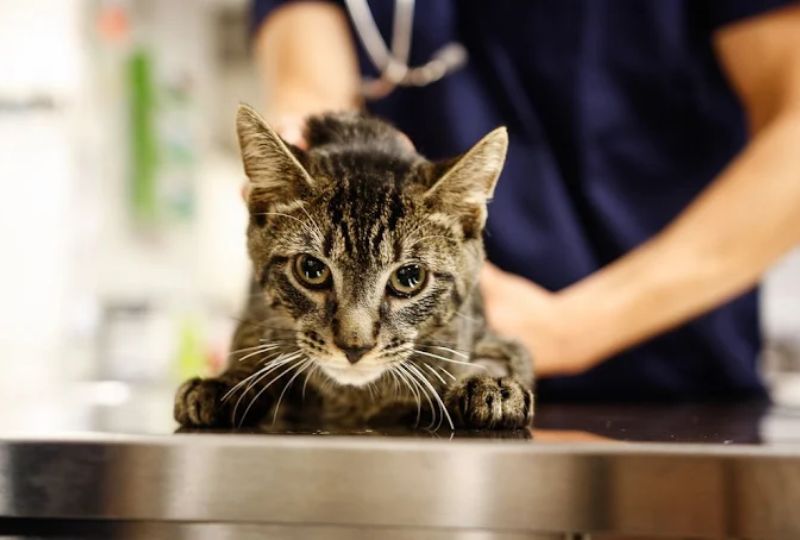
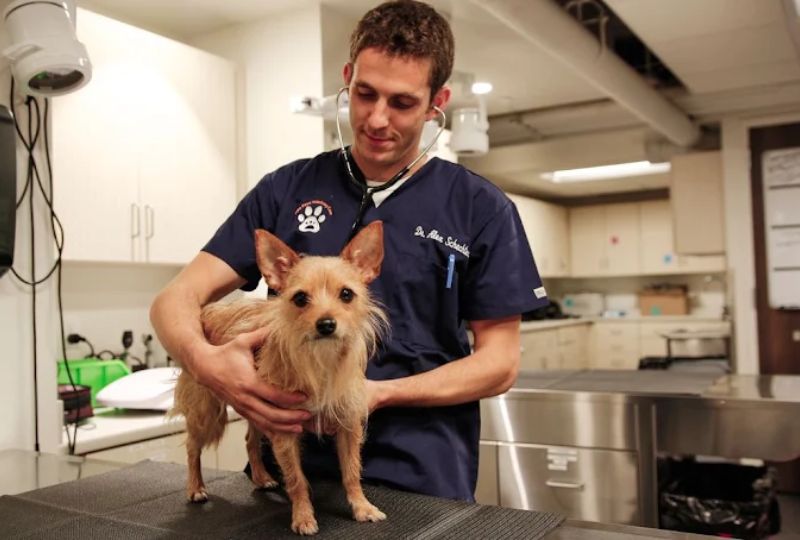
A complete physical examination helps veterinarians evaluate different areas of your pet’s body.
Your veterinarian may examine:
- Eyes for irritation, infections, or vision concerns
- Ears for infections or inflammation
- Mouth for dental disease or oral changes
- Skin and coat for abnormalities
- Joints and muscles for mobility concerns
- Heart and lungs for unusual sounds
- Abdomen for possible internal changes
Pet wellness exams at our veterinary practice can help identify concerns before they affect your pet’s quality of life. Early detection can also provide more treatment options.
Routine Bloodwork Finds Internal Changes
Some health problems do not create noticeable symptoms in their early stages. Blood testing can reveal changes happening inside your pet’s body.
Routine laboratory testing may help identify:
- Kidney problems
- Liver changes
- Blood disorders
- Infections
- Hormonal concerns
- Other internal health conditions
Bloodwork also helps veterinarians monitor existing conditions. It provides valuable information about how your pet’s body is functioning.
At our veterinary clinic, recommended lab work may include complete blood counts, blood chemistry profiles, urinalysis, parasite screenings, and other diagnostic tests based on your pet’s needs.
Weight Monitoring Supports Long-Term Health
Weight changes can happen gradually. Many pet owners may not notice small increases or decreases.
Regular weight checks help identify:
- Unhealthy weight gain
- Unexpected weight loss
- Changes related to metabolism
- Nutrition concerns
Maintaining a healthy weight supports better mobility, energy levels, and overall wellness.
Your veterinarian can recommend dietary adjustments, exercise routines, or lifestyle changes based on your pet’s condition.
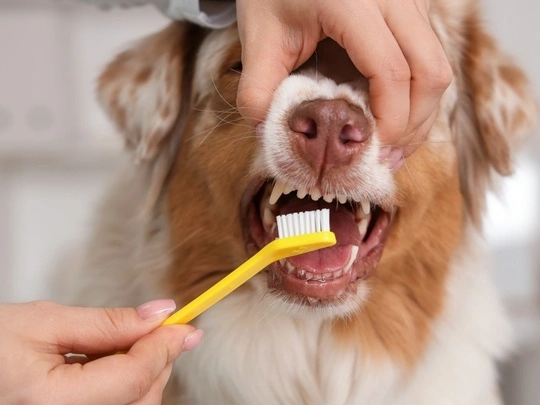
Dental Checks Prevent Hidden Oral Problems
Dental disease is common in pets and often develops without obvious signs.
Some pets continue eating normally despite dental discomfort. However, untreated dental issues may affect their overall health.
During wellness visits, veterinarians examine your pet’s mouth for signs of:
- Plaque buildup
- Gum inflammation
- Tooth problems
- Oral infections
Regular dental evaluations help protect your pet’s comfort and prevent future complications.
Health Problems That Wellness Visits May Detect Early
Routine veterinary care can help identify many conditions before they become advanced.
Some examples include:
Kidney Disease
Kidney problems can develop slowly. Early stages may not show noticeable symptoms.
Routine testing can help monitor kidney function. This allows veterinarians to recommend appropriate care sooner.
Heart Conditions
Heart problems may not always cause immediate changes in behavior.
Listening to your pet’s heart during examinations can help identify unusual sounds. Further testing may be recommended when needed.
Diabetes
Changes in thirst, urination, and weight may indicate diabetes. However, early signs can sometimes be subtle.
Regular evaluations and laboratory testing help identify possible concerns.
Arthritis and Joint Problems
Pets may adapt their behavior when experiencing joint discomfort. They may avoid stairs or reduce activity.
Physical examinations help identify mobility changes. Early support can improve comfort and daily function.
Why Preventive Care Matters for Senior Pets
Older pets often require closer health monitoring. Aging increases the risk of several medical conditions.
Senior pets may benefit from more frequent wellness visits. These visits help track changes and adjust care plans as their needs evolve.
Aging pets deserve attention that supports their comfort and happiness. Regular evaluations help families make informed decisions about their pet’s health.
What Happens During a Wellness Exam?
A wellness appointment usually begins with a discussion about your pet’s health history.
Your veterinarian may ask about:
- Appetite changes
- Activity levels
- Bathroom habits
- Behavior changes
- Lifestyle factors
- Preventive care history
The physical examination follows. Your veterinarian evaluates your pet from nose to tail.
Depending on your pet’s age, breed, and health status, additional testing may be recommended.
At our veterinary clinic, we focus on personalized preventive care plans because every pet has different health needs.
How Often Should Pets Have Wellness Exams?
Most pets benefit from yearly wellness visits. However, some pets may need more frequent evaluations.
Factors that influence visit frequency include:
- Age
- Breed
- Existing health conditions
- Lifestyle
- Previous medical history
Puppies, kittens, senior pets, and pets with chronic conditions may require additional monitoring.
Your veterinarian can recommend the right schedule based on your pet’s individual needs.
Protect Your Pet’s Health With Preventive Veterinary Care
Your pet depends on you to recognize their needs and protect their health. Regular veterinary visits provide valuable insight into conditions that may remain unnoticed at home. Early detection often creates more opportunities for effective care. It also helps pets stay comfortable, active, and healthy throughout their lives.
If you are looking for compassionate preventive care in Hell’s Kitchen, our team can help monitor your pet’s health and guide you at every stage of their life.
Ensure your pet receives the best care possible. Schedule an appointment with our trusted team today and give your furry friend the health and happiness they deserve.
FAQs
1. What happens during a pet wellness exam?
A wellness exam includes a complete physical evaluation of your pet. The veterinarian checks overall health, discusses concerns, and recommends preventive care based on your pet’s needs.
2. Can wellness exams detect diseases before symptoms appear?
Yes. Regular examinations and diagnostic testing can identify early changes that may not cause visible symptoms yet.
3. How often should my pet have a wellness exam?
Most pets should have annual wellness visits. Your veterinarian may suggest more frequent visits depending on age, lifestyle, and health conditions.
4. Are wellness exams necessary for indoor pets?
Yes. Indoor pets can still develop health problems, including dental disease, weight concerns, infections, and age-related conditions.
5. What tests may be recommended during a wellness visit?
Depending on your pet’s needs, testing may include bloodwork, urinalysis, parasite screening, and other diagnostic evaluations.
6. Do senior pets need more frequent wellness visits?
Senior pets often benefit from more frequent monitoring. Regular visits help detect age-related changes and support better quality of life.
7. What signs mean my pet needs a veterinary appointment?
Changes in appetite, behavior, weight, energy, thirst, bathroom habits, or mobility should be discussed with your veterinarian.