Choosing the right food for a dog involves more than picking a popular brand or a flavor your pet enjoys. Nutritional needs change as dogs move from puppyhood to adulthood and eventually into their senior years. Age, size, activity level, health status, and lifestyle can all influence which diet is appropriate. Understanding these differences can help pet parents make informed feeding choices and support their companion’s overall health, especially for families in New York.
Why Nutrition Should Change With Age
Dog nutrition plays an important role throughout every stage of a companion’s life. Puppies need nutrients that support growth and development, while adult dogs generally need a balanced diet that helps maintain a healthy body condition. Senior dogs may benefit from nutritional adjustments based on their changing activity levels and health needs.
Feeding the same type and amount of food throughout a dog’s entire life may not always be appropriate. Therefore, pet parents should consider their dog’s current life stage when reviewing food choices.
A veterinarian can also help evaluate your dog’s nutritional needs and recommend an appropriate feeding approach based on individual factors.
Choosing Food for Puppies
Puppies grow quickly, so their nutritional requirements differ from those of mature dogs. A puppy diet should provide appropriate levels of protein, fat, vitamins, minerals, and calories to support healthy development.
However, more food does not necessarily mean healthier growth. Overfeeding can contribute to excessive weight gain, particularly in puppies that are prone to rapid growth.
Puppy food should be selected according to the dog’s expected adult size when appropriate. Large-breed puppies, for example, may require diets specifically formulated to support controlled growth and healthy bone development.
Pet parents should also follow feeding recommendations and monitor body condition rather than relying only on the amount listed on a food package.
Feeding Your Adult Dog
Once a dog reaches adulthood, nutritional priorities generally shift from growth toward maintenance. Adult dogs need enough nutrients and calories to support energy, muscle condition, immune function, and everyday activity without encouraging excessive weight gain.
Activity level matters significantly. An active dog may require a different calorie intake than a companion who spends most of the day resting. Likewise, working dogs and highly athletic breeds may have different nutritional demands.
Instead of automatically increasing portions when your dog seems hungry, monitor body condition and discuss feeding amounts with your veterinary team. Maintaining a healthy weight can help reduce stress on the joints and support long-term wellness.
Adjusting Food for Senior Dogs
As dogs age, their nutritional needs can change again. Senior dogs may become less active, which can lower their daily calorie requirements. At the same time, age-related changes may affect muscle condition, digestion, mobility, or other aspects of health.
Some older dogs may benefit from diets with adjusted calorie levels or specific nutritional components. However, there is no single senior diet that works for every aging dog.
Health conditions can also influence dietary recommendations. Therefore, pet parents should discuss significant diet changes with a veterinarian, particularly when an older dog has an existing health concern.
Consider Your Dog’s Size and Breed
Life stage is important, but it is not the only factor to consider. A dog’s size, breed characteristics, metabolism, and activity level can all influence nutritional needs.
Small dogs may have different calorie requirements than larger dogs. Additionally, some breeds can be more prone to weight gain or certain health concerns, making appropriate portion control especially important.
Rather than choosing food based solely on breed marketing, look at the nutritional needs of your individual dog. A veterinary professional can help you determine whether a particular diet makes sense for your companion.
Read the Food Label Carefully
Pet food labels contain useful information, but they can sometimes feel confusing. Start by checking whether the food is formulated for your dog’s current life stage.
Pay attention to feeding guidelines, calorie information, and the nutritional adequacy statement. Keep in mind that feeding recommendations are starting points rather than exact rules for every dog.
Treats also contribute calories. If your dog receives frequent treats, chews, table scraps, or other foods, account for those calories when considering the overall daily intake.
Make Diet Changes Gradually
Changing food suddenly can cause digestive upset in some dogs. Whenever possible, transition to a new diet gradually.
Start by mixing a small amount of the new food with the current diet. Then, slowly increase the proportion of the new food while reducing the old food over several days.
Your veterinarian may recommend a different transition strategy depending on your dog’s health and the reason for changing diets.
During the transition, monitor your dog for changes in appetite, stool quality, energy, or other unusual symptoms. If significant digestive problems develop, contact your veterinary team.
Watch Your Dog’s Body Condition
The amount of food your dog needs can change over time. Weight, activity level, age, and health status can all influence calorie requirements.
Regularly check your dog’s body condition rather than focusing only on the number on a scale. You should be able to feel the ribs without excessive fat covering them, while the waist should remain visible when viewed from above.
If your dog’s weight changes unexpectedly, avoid making major dietary changes without guidance. Unexplained weight gain or loss can sometimes indicate an underlying health issue.
How Veterinary Guidance Can Help
Selecting an appropriate diet can feel overwhelming because there are countless food options available. A veterinary team can help simplify the process by considering your dog’s age, size, activity level, body condition, and health history.
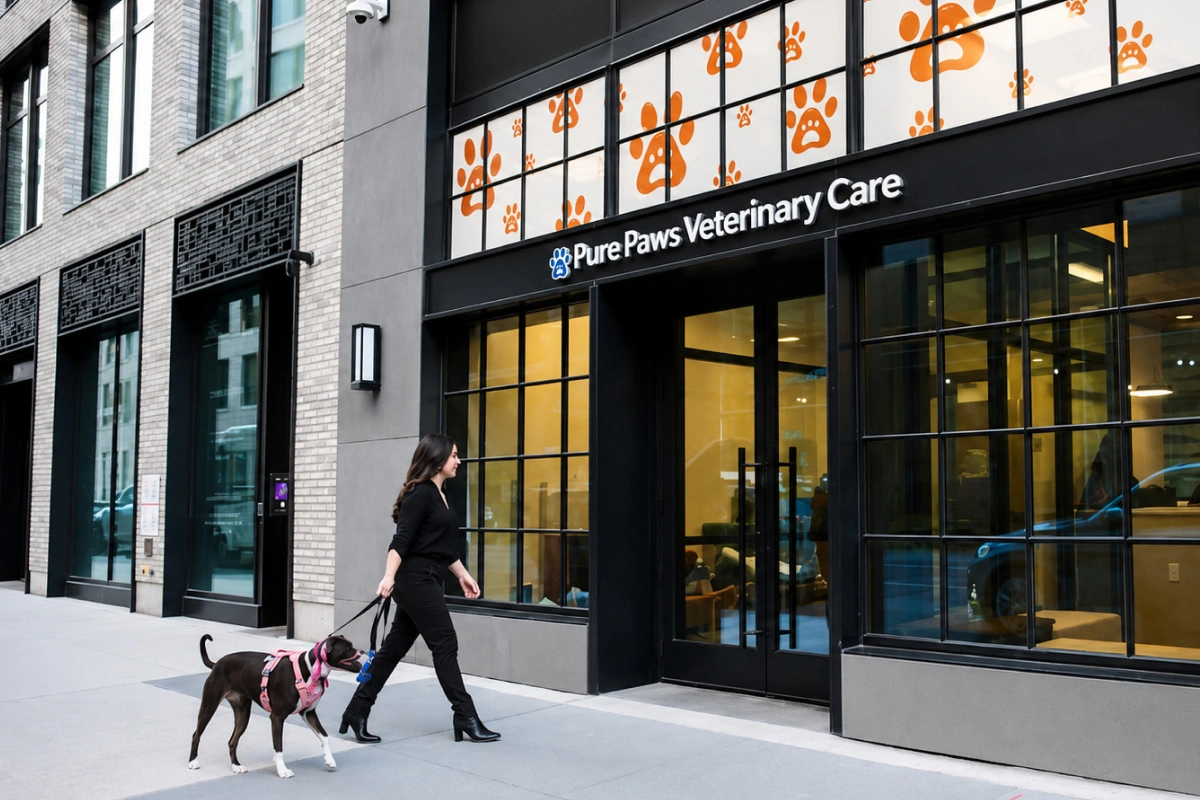
At Pure Paws Veterinary Care of Hudson Square, pet parents can discuss feeding habits and nutritional concerns as part of their dog’s ongoing wellness care. Personalized guidance can help families make practical choices rather than relying on general recommendations.
Building Healthy Feeding Habits
Good dog nutrition involves more than selecting the right food. Consistent portions, appropriate treats, fresh water, regular activity, and routine monitoring all contribute to a healthy feeding routine.
Avoid making frequent food changes simply because your dog seems bored with a particular flavor. Instead, focus on nutritional suitability and your dog’s overall health.
As your companion moves into a new life stage, review their diet and feeding routine. This simple habit can help ensure that their nutritional plan continues to match their changing needs.
Choosing food according to your dog’s life stage can support healthy growth, weight management, energy, and overall wellness. Puppies, adults, and senior dogs have different nutritional priorities, so their diets should reflect their individual needs. In addition, factors such as size, activity level, body condition, and health history should be considered before making significant dietary changes.
For pet parents seeking personalized guidance about their dog’s nutritional needs in New York, the team at Pure Paws Veterinary Care of Hudson Square can help you make informed decisions throughout every stage of your companion’s life. To discuss your dog’s diet and overall wellness, schedule an appointment with Pure Paws Veterinary Care of Hudson Square.
FAQs
- Should dogs eat different food as they age?
Yes. Dogs can have different nutritional requirements during puppyhood, adulthood, and their senior years. Their diet should reflect their current life stage and individual health needs.
- How do I know if my puppy is eating the right food?
Choose a complete and balanced food formulated for your puppy’s appropriate life stage and size. Your veterinarian can also help you determine suitable portions and feeding practices.
- Can changing dog food cause digestive problems?
A sudden change can cause digestive upset in some dogs. Gradually transitioning between diets can help your companion adjust more comfortably.
- Do senior dogs always need special food?
Not necessarily. Some senior dogs may benefit from nutritional adjustments, while others may continue with an appropriate adult diet. Your veterinarian can recommend an option based on your dog’s individual needs.
- Can Pure Paws Veterinary Care of Hudson Square help with my dog’s diet?
Yes. Pure Paws Veterinary Care of Hudson Square can discuss your dog’s nutritional needs and help you develop feeding habits that support their overall health and current life stage.
- When should I talk to a veterinarian about my dog’s nutrition?
Consult your veterinarian if your dog experiences unexplained weight changes, persistent digestive issues, appetite changes, or other concerns. Professional guidance can help identify whether a dietary adjustment or further evaluation is appropriate.