Routine veterinary visits provide an important opportunity to monitor your companion’s health before small concerns become more difficult to manage. Pets can hide discomfort, and many health problems may develop gradually without obvious warning signs. Pet wellness exams allow the veterinary team to assess your pet’s overall condition, discuss changes in behavior or daily habits, and identify areas that may need attention. For pet parents who want to support their companions throughout every life stage, consistent preventive care can make a meaningful difference, especially for families in Brooklyn, NY.
Why Routine Veterinary Visits Matter
A pet may appear healthy while developing an underlying health concern. Unlike people, pets cannot explain when something feels unusual. Therefore, regular examinations give veterinarians an opportunity to look beyond what pet parents can observe at home.
During a routine visit, the veterinarian can evaluate your pet’s general health and compare current findings with previous examinations. Over time, these observations can help reveal gradual changes in weight, body condition, dental health, mobility, or behavior.
Moreover, regular visits help establish a relationship between your pet and the veterinary team. Familiarity can make future examinations easier and allows the veterinary team to better understand your pet’s individual health history.
Early Detection Can Make a Difference
One of the biggest benefits of routine examinations is early identification of potential health problems. Some conditions produce subtle changes long before a pet becomes seriously ill.
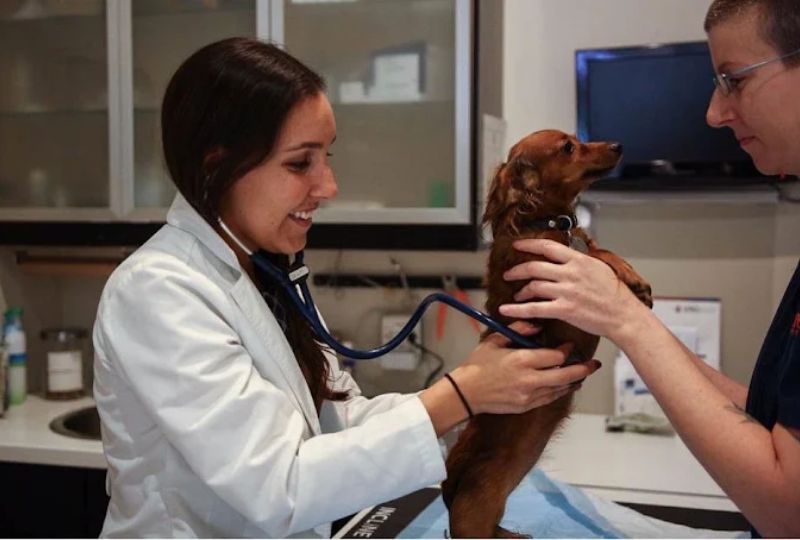
For example, a veterinarian may notice an unusual heart sound, changes in body weight, dental concerns, skin abnormalities, or other findings during an examination. These observations may lead to additional testing or closer monitoring.
As a result, routine visits can provide valuable information even when your pet seems completely normal at home. Detecting changes earlier may also give pet parents more opportunities to discuss appropriate management and treatment options.
Monitoring Your Pet’s Weight
Maintaining an appropriate body weight supports long-term health. Both excess weight and being underweight can affect a pet’s overall well-being.
During an examination, the veterinary team can assess body condition and discuss your pet’s diet, activity level, treats, and feeding routine. If your pet’s weight has changed, the veterinarian can help determine whether the change may relate to nutrition, lifestyle, age, or an underlying health concern.
Furthermore, nutritional needs can change throughout a pet’s life. Puppies and kittens have different requirements from adult animals, while senior pets may need additional nutritional consideration.
Supporting Dental Health
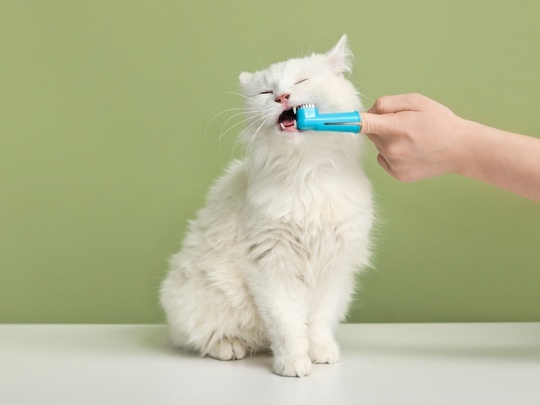
Oral health is another important part of preventive veterinary care. Dental problems can develop gradually, and pets may continue eating even when their mouths are uncomfortable.
During routine examinations, veterinarians can inspect the teeth and gums for signs of dental disease. They may identify tartar, gum inflammation, damaged teeth, or other abnormalities that require attention.
Additionally, your veterinary team can recommend appropriate at-home dental habits and professional dental care when necessary. Addressing oral health regularly can help support your pet’s comfort and quality of life.
Keeping Preventive Care Current
Routine examinations also provide an opportunity to review preventive care. Depending on your pet’s age, lifestyle, medical history, and risk factors, your veterinarian may discuss vaccinations, parasite prevention, nutrition, dental health, and other wellness needs.
Preventive recommendations should not follow a one-size-fits-all approach. For instance, an indoor cat and an outdoor cat may have different exposure risks. Similarly, an active dog that regularly visits parks may have different preventive needs from a dog that spends most of its time at home.
Therefore, routine visits allow the veterinary team to adjust recommendations as your pet’s circumstances change.
Watching for Behavioral Changes
Behavior can provide valuable information about a pet’s health. Changes in appetite, sleeping patterns, activity, grooming, social interaction, or bathroom habits may sometimes indicate an underlying concern.
However, pet parents may not always recognize gradual changes. A veterinarian can ask targeted questions and evaluate your pet in the context of their medical history.
For example, a dog that has become less interested in walks may simply appear to be slowing down. However, the change could also relate to discomfort, weight gain, joint concerns, or another health issue.
Routine Exams for Senior Pets
As pets age, regular veterinary monitoring becomes particularly important. Older animals may experience gradual changes in mobility, appetite, weight, vision, hearing, or energy.
Pet wellness exams can help the veterinary team monitor these changes and determine whether further evaluation may be appropriate. Regular visits also create opportunities to discuss adjustments that can make everyday life more comfortable for an aging companion.
Instead of waiting until an older pet develops obvious symptoms, consistent monitoring can help identify changes sooner and provide a clearer picture of their health over time.
Building a Long-Term Health Plan
Every pet has different needs. Age, breed, lifestyle, environment, previous medical conditions, and daily habits can all influence preventive health recommendations.
At Pure Paws Veterinary Care of Clinton Hill, the veterinary team can use routine examinations to understand your pet’s current health and discuss appropriate preventive strategies.
In addition, keeping a record of your pet’s examinations, vaccinations, medications, weight, and other important health information can make it easier to track changes. Sharing observations from home can also help your veterinarian build a more complete picture of your pet’s well-being.
Making Veterinary Visits More Productive
Pet parents can prepare for routine visits by writing down questions or changes they have noticed. Bring information about your pet’s diet, medications, supplements, activity level, and recent behavioral changes when appropriate.
Also, mention seemingly minor concerns. A small change may provide useful information when combined with other findings.
If your pet has experienced changes in appetite, weight, energy, behavior, mobility, or bathroom habits, tell your veterinary team. These details can help guide the examination and determine whether additional evaluation is needed.
Long-term pet wellness depends on more than responding to illness after symptoms appear. Routine veterinary examinations provide an opportunity to monitor changes, update preventive care, evaluate dental and physical health, and address concerns before they become more complicated.
For families caring for pets in Brooklyn, NY, establishing a consistent relationship with a trusted veterinary team can make preventive care easier to manage throughout every stage of life. Regular visits also give pet parents an opportunity to ask questions and make informed decisions about their companion’s changing needs.
If your pet is due for a routine health evaluation, schedule an appointment with Pure Paws Veterinary Care of Clinton Hill and take an active step toward supporting their long-term wellness.
FAQs
- How often should my pet have a routine veterinary examination?
The appropriate schedule depends on your pet’s age, health, lifestyle, and individual needs. Your veterinarian can recommend an examination schedule that fits your companion.
- Can routine exams find health problems when my pet looks healthy?
Yes. Some health concerns may develop without obvious symptoms. A veterinary examination can identify physical changes that may not be noticeable at home.
- What does a routine pet wellness visit include?
A routine visit may include a physical examination, weight assessment, discussion of nutrition and lifestyle, preventive care review, and evaluation of areas such as dental and overall health.
- Are routine exams important for senior pets?
Yes. Older pets can experience gradual changes that may benefit from regular monitoring. Your veterinarian can recommend appropriate care based on your senior pet’s health and life stage.
- How can Pure Paws Veterinary Care of Clinton Hill support my pet’s wellness?
The veterinary team can evaluate your pet’s overall health, discuss preventive strategies, monitor changes over time, and provide recommendations based on your companion’s individual needs.
- What should I bring to my pet’s routine veterinary appointment?
Bring relevant medical records when available, a list of medications or supplements, information about your pet’s diet, and notes about any recent changes in behavior, appetite, activity, or other daily habits.