A healthy mouth does more than keep your pet’s breath fresh. Teeth and gums help pets eat, play, and interact normally. Yet dental problems can develop quietly because pets often hide discomfort. If your companion suddenly eats differently, avoids toys, or seems irritable, mouth pain could be involved. For pet families in New York, recognizing these changes early can protect comfort.
How Can Dental Disease Affect Appetite?
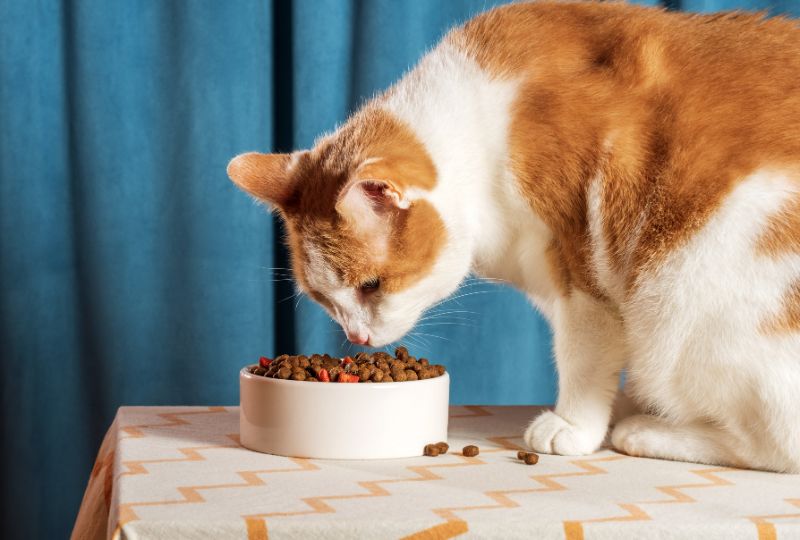
Pet dental care begins with recognizing how oral discomfort changes mealtime habits. Plaque, tartar, inflamed gums, or damaged teeth can make chewing painful. As a result, your pet may approach the bowl but eat slowly, leave food behind, or avoid foods requiring more chewing.
Signs may include:
- Eating slowly: A pet that once finished meals quickly may start chewing cautiously.
- Dropping food: Painful teeth can make picking up kibble or treats difficult.
- Preferring soft food: Your pet may choose softer foods while avoiding crunchy options.
- Eating less: Ongoing discomfort may reduce portions even when your pet remains interested.
However, stress, illness, digestive problems, and diet changes can also affect appetite. Therefore, lasting changes deserve attention.
Can Dental Problems Change Behavior?
Yes. Pain can affect how pets respond to people, other animals, and familiar activities. Since they cannot explain what hurts, behavior can provide an important clue.
A dog may become irritable when someone touches its face. A cat may hide or lose interest in play. Some pets stop chewing toys or resist mouth handling.
Watch for:
- Less interest in play
- Pawing at the mouth
- Reluctance to have the face touched
- Withdrawal or hiding
- Changes around mealtimes
These signs do not automatically confirm dental disease. Nevertheless, several changes together should prompt an examination.
Why Do Pets Hide Dental Pain?
Pets naturally tend to conceal discomfort. Consequently, an oral problem can progress while a pet still appears normal. Pure Paws Veterinary Care reports that more than 80% of dogs and 70% of cats experience some form of dental disease by age three.
That is why small changes matter. Persistent bad breath, swollen gums, loose teeth, difficulty chewing, or unusual behavior can signal a problem. Early attention may prevent discomfort from interfering with eating and daily activities.
What Happens During a Dental Evaluation?
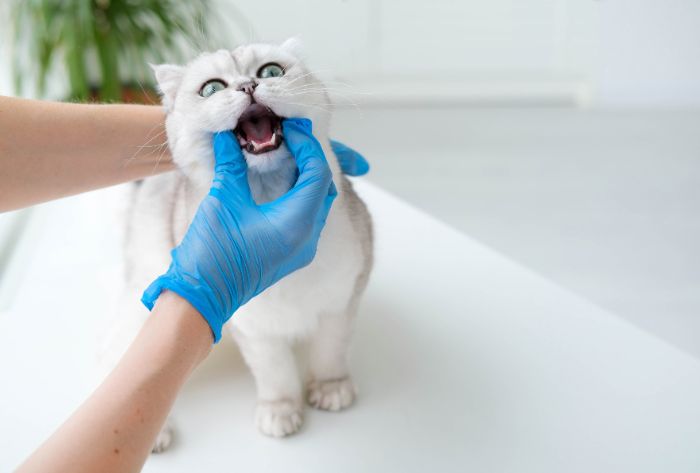
At Pure Paws Veterinary Care of Hudson Square, the team checks teeth and gums during wellness visits and discusses concerns. If needed, the clinic may recommend professional cleaning.
Its dental package includes a visual oral evaluation, pre-anesthetic assessment, anesthesia and monitoring, digital dental radiographs, and professional cleaning. X-rays can reveal problems beneath the gumline that a visual examination cannot detect. The team also provides home-care guidance.
When Should You Schedule an Exam?
Do not wait until your pet completely refuses food. Contact your care team if you notice persistent bad breath, inflamed or bleeding gums, loose or damaged teeth, drooling, difficulty chewing, dropped food, reduced appetite, or unusual behavior.
A sudden refusal to eat, facial swelling, obvious mouth pain, or significant distress warrants prompt attention. Routine oral assessments can identify concerns before they become complicated.
How Can You Support Oral Health at Home?
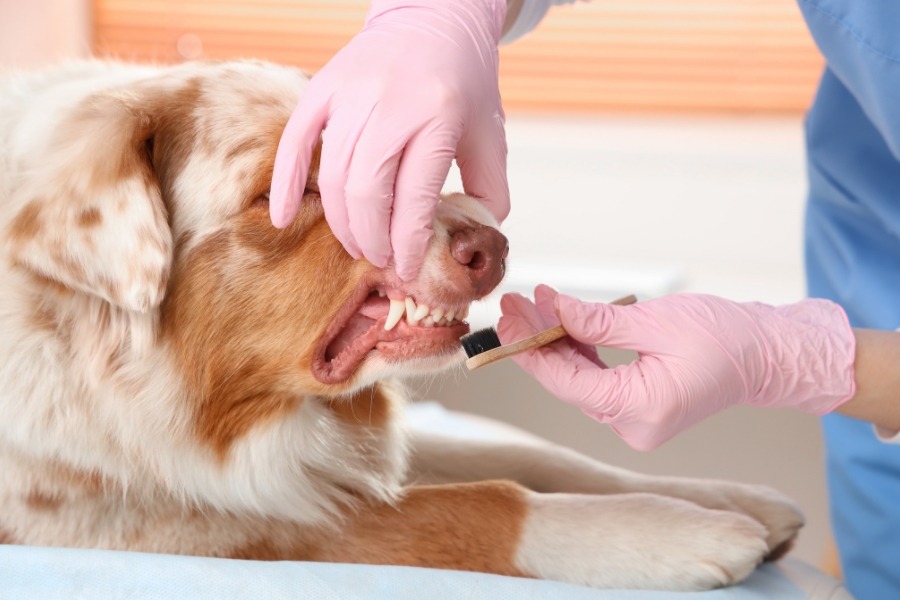
Daily habits matter. Follow professional recommendations for brushing and choose products made specifically for pets. Never use human toothpaste unless your care team recommends it. In addition, keep wellness and dental examinations on schedule.
Regular pet dental care works alongside professional examinations and cleanings. Brushing can reduce plaque between visits, but it cannot replace a complete oral evaluation.
Conclusion
Your pet’s appetite and behavior can reveal oral-health clues. Slower eating, avoiding crunchy food, hiding, irritability, or reduced play may accompany mouth discomfort. By noticing these changes and arranging timely care, you can help your companion remain comfortable and active.
If you’re in New York and looking for pet dental care near you, schedule an appointment with Pure Paws Veterinary Care of Hudson Square. Our veterinary team can examine your pet’s oral health, explain concerns, and recommend a personalized plan for comfortable eating and everyday well-being.
FAQs
1. Can dental disease cause my pet to eat less?
Yes. Dental disease can make chewing painful, which may cause pets to eat more slowly, drop food, avoid crunchy foods, or eat smaller portions. If reduced appetite persists, a veterinary examination can help determine whether dental pain or another health issue is responsible.
2. What are common signs of dental disease in pets?
Common signs include persistent bad breath, swollen or bleeding gums, loose or damaged teeth, excessive drooling, difficulty chewing, dropping food, pawing at the mouth, and changes in eating or behavior.
3. Can dental pain make my pet act differently?
Yes. Pets experiencing oral pain may become irritable, withdrawn, less playful, or reluctant to have their face touched. Cats may hide more often, while dogs may resist chewing toys or handling around the mouth.
4. How often should my pet have a dental examination?
Your veterinarian can recommend an examination schedule based on your pet’s age, breed, oral-health condition, and individual risk factors. Dental health should also be assessed during routine wellness visits so potential problems can be identified early.
5. Can brushing my pet’s teeth prevent dental disease?
Regular brushing can help reduce plaque buildup and support better oral hygiene. Use pet-specific toothpaste and follow your veterinary team’s recommendations. However, brushing does not replace professional dental examinations or cleanings when they are needed.
6. When is a pet’s dental problem an emergency?
Seek prompt veterinary attention if your pet suddenly refuses food, has facial swelling, shows obvious mouth pain, has significant bleeding, or appears severely distressed. These signs can indicate a more serious dental or underlying health problem.
7. Does Pure Paws Veterinary Care offer dental care for pets in New York?
Yes. Pure Paws Veterinary Care of Hudson Square provides veterinary dental care, including oral evaluations and professional dental cleaning when appropriate. The team can assess your pet’s mouth and recommend care based on their individual needs.
8. What is included in pet dental care at Pure Paws Veterinary Care of Hudson Square?
The clinic’s dental package includes a visual oral evaluation, pre-anesthetic assessment, anesthesia and monitoring, digital dental radiographs, and professional cleaning. The veterinary team can also provide guidance for maintaining your pet’s oral health at home.