When your pet suddenly becomes sick or gets injured, it can be difficult to know what to do next. A sudden change in behavior, repeated vomiting, an injury, or unusual breathing can leave any pet owner feeling concerned. Fortunately, understanding what happens during a veterinary visit can help you stay calm and make informed decisions.
Urgent pet care provides prompt veterinary attention when your pet develops a health concern that should not wait for a routine appointment. The veterinary team first evaluates your pet’s condition, identifies potential causes, and then recommends appropriate next steps based on the symptoms and examination findings.
Knowing what to expect before you arrive can make the process easier for both you and your companion. This guide explains the typical steps involved, how to prepare, what information to bring, and how follow-up care may work. It is especially useful for pet owners in New York.
What Is an Urgent Veterinary Visit?
An urgent veterinary visit focuses on a health concern that requires timely attention. Unlike a routine wellness appointment, which typically focuses on preventive care and long-term health, an urgent visit addresses a problem that has developed unexpectedly.
For example, your dog may suddenly develop persistent vomiting, while your cat may stop eating and become unusually withdrawn. Similarly, an accident, painful injury, sudden weakness, or difficulty urinating may require prompt evaluation.
However, not every unexpected symptom requires the same level of care. The veterinary team will assess your pet’s condition and determine how quickly the problem needs to be addressed.
Step 1: Contact the Veterinary Team
The process often begins when you contact the veterinary practice. Explain what happened and describe the symptoms as clearly as possible.
Try to provide useful details, including:
- When the symptoms started
- Whether the symptoms are getting worse
- Changes in appetite or water consumption
- Vomiting or diarrhea frequency
- Changes in urination
- Difficulty walking or standing
- Signs of pain
- Possible exposure to medications or harmful substances
- Recent injuries or accidents
- Any medications your pet currently receives
Clear information can help the veterinary team understand the situation before your pet arrives.
If your pet has difficulty breathing, collapses, experiences severe bleeding, or becomes unresponsive, communicate this immediately so the team understands the seriousness of the situation.
Step 2: Prepare Your Pet for the Visit
Once the veterinary team recommends an appointment, keep your pet as calm and comfortable as possible.
Cats should generally travel in a secure carrier. Dogs should remain under control with a leash or other safe restraint. If your pet has suffered an injury, avoid unnecessary movement and handle the animal gently.
Additionally, do not give your pet human medications unless a veterinarian specifically tells you to do so. Some medications that are safe for people can cause serious problems in animals.
If you suspect your pet consumed something harmful, bring the packaging or product information when possible. This information can help the veterinarian understand the potential exposure.
Step 3: Check-In and Share Your Pet’s History
When you arrive, the veterinary team will collect important information about your pet. This may include your pet’s age, breed, medical history, current medications, allergies, and previous health problems.
The team will also ask questions about the current concern.
For instance, if your pet is vomiting, you may be asked how many times it happened, what the vomit looked like, and whether your pet can keep water down. If your pet has an injury, the team may ask how the injury occurred and whether your pet could walk afterward.
Therefore, accurate information from you can make the evaluation more efficient.
Step 4: Initial Assessment
Next, the veterinary team will assess your pet’s overall condition. This initial assessment helps identify which concerns require the most immediate attention.
The veterinarian or veterinary staff may evaluate:
- Heart rate
- Breathing rate and effort
- Body temperature
- Gum color
- Hydration
- Level of alertness
- Mobility
- Signs of pain
- Overall behavior
The team may also look for visible wounds, swelling, abdominal discomfort, or other physical changes.
This assessment provides an important starting point. Consequently, the veterinarian can decide which diagnostic procedures or treatments may be appropriate.
Step 5: Veterinary Examination
After the initial assessment, the veterinarian performs a more detailed physical examination.
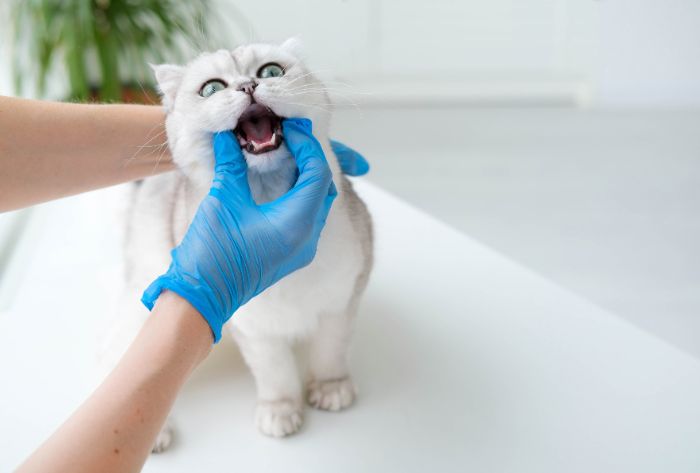
The veterinarian may listen to your pet’s heart and lungs, examine the eyes and mouth, feel the abdomen, check the skin, evaluate movement, and look for signs of injury or discomfort.
The examination depends on the symptoms. For example, a pet with digestive problems may require a different evaluation from one with a painful leg.
During this stage, you can ask questions. Understanding what the veterinarian observes can help you feel more comfortable with the recommended care plan.
Step 6: Diagnostic Testing When Necessary
Sometimes a physical examination provides enough information to begin treatment. In other situations, diagnostic testing may help identify the underlying cause.
Depending on your pet’s symptoms, the veterinarian may recommend tests such as:
Blood Testing
Blood tests can provide information about organ function, blood cell levels, hydration, inflammation, and other health indicators.
Urine Testing
Urinalysis can help evaluate urinary problems and provide additional information about overall health.
Digital Imaging
X-rays and other imaging techniques can help evaluate bones, joints, the chest, abdomen, or other areas when an injury or internal problem is suspected.
Additional Diagnostics
Some cases may require further testing based on the initial findings. The veterinarian will explain why a test may be helpful and discuss the recommended next steps with you.
Importantly, diagnostic testing is not automatically necessary for every visit. The veterinarian selects tests according to the symptoms, examination findings, medical history, and overall condition of the pet.
Step 7: Discuss the Diagnosis and Treatment Plan
Once the veterinarian has gathered enough information, the team will discuss the findings with you.
The diagnosis may be straightforward in some cases. However, certain conditions require additional monitoring or testing before the cause becomes clear.
The treatment plan may include medication, fluid support, wound care, pain management, dietary recommendations, activity restrictions, or other veterinary care.
The veterinarian should also explain how to administer medications and what signs to monitor at home.
If you have concerns about the recommended treatment, ask questions. Understanding the plan helps you provide better care after leaving the clinic.
Step 8: Follow Home-Care Instructions
Before leaving, make sure you understand your pet’s home-care instructions.
Ask about:
- Medication dosage and timing
- Feeding instructions
- Water intake
- Exercise restrictions
- Wound care
- Signs of improvement
- Warning signs that require another visit
- Recommended follow-up timing
Write down instructions if necessary. When you are dealing with a stressful situation, it can be difficult to remember every detail.
Additionally, give medications exactly as prescribed. Do not stop treatment early unless your veterinarian advises you to do so.
What Should You Bring to the Visit?
Preparing a few items can make the appointment smoother.
Consider bringing:
- Your pet’s current medication list
- Relevant medical records
- Vaccination information when available
- Details about recent food changes
- Information about previous health problems
- Photos or videos of unusual symptoms when appropriate
- Packaging from a suspected toxin or medication exposure
Videos can sometimes help the veterinarian understand symptoms that are not present during the examination. For example, a short recording of unusual movement or coughing may provide useful information.
How Can You Help Your Pet Stay Calm?
A calm environment can benefit both you and your pet.
Before leaving home, avoid excessive handling if your pet is painful or frightened. Speak in a quiet voice and use familiar bedding or a blanket when appropriate.
For cats, a secure carrier can provide a sense of safety. For dogs, gentle handling and controlled movement can help reduce stress.
Furthermore, try to remain calm yourself. Pets can respond to changes in their owner’s behavior. By staying composed, you can help create a more reassuring environment.
When Should You Seek Prompt Veterinary Attention?
Certain symptoms should not be ignored. Contact a veterinary professional promptly if your pet experiences:
- Difficulty breathing
- Collapse or severe weakness
- Significant bleeding
- Severe or sudden pain
- Repeated vomiting
- Persistent or bloody diarrhea
- Difficulty urinating
- Seizures
- Serious injuries
- Suspected poisoning
- Sudden neurological changes
- Extreme lethargy or unresponsiveness
Every situation is different. Therefore, if you are uncertain about the seriousness of a symptom, contact your veterinary team and describe what you are seeing.
Why Choose Pure Paws Veterinary Care of Hudson Square?
When an unexpected health concern occurs, having a veterinary team you can trust can provide valuable reassurance. Pure Paws Veterinary Care of Hudson Square offers compassionate veterinary support designed around the individual needs of each pet.
The team focuses on careful evaluation, clear communication, and appropriate treatment recommendations. By discussing your pet’s symptoms and medical history, the veterinary professionals can work with you to determine the most suitable next step.
Most importantly, the team understands that pet health concerns can be stressful. Clear explanations and compassionate support can help owners feel more confident throughout the visit.
The Importance of Follow-Up Care
An urgent veterinary visit may resolve the immediate concern, but follow-up care can remain important.
Some conditions require additional medication, monitoring, diagnostic testing, or a recheck examination. Follow the veterinarian’s instructions carefully and monitor your pet for changes.
If your pet does not improve as expected or develops new symptoms, contact the veterinary team rather than assuming the problem will resolve on its own.
Follow-up care gives the veterinarian another opportunity to evaluate recovery and adjust treatment when necessary.
An unexpected illness or injury can feel overwhelming, but knowing what happens during a veterinary visit can make the experience more manageable. From the initial phone call and check-in to the physical examination, diagnostics, treatment plan, and follow-up instructions, each step helps the veterinary team understand your pet’s needs.
Urgent pet care gives pet owners a way to seek timely professional attention when a health concern should not wait for a routine appointment. By preparing useful information, keeping your pet calm, following veterinary instructions, and watching for changes at home, you can support a safer recovery. If you need guidance, call Pure Paws Veterinary Care of Hudson Square at (212) 203-4187 to discuss your pet’s needs.
If you are in New York, and looking for a urgent pet care near you, book an appointment with Pure Paws Veterinary Care of Hudson Square. Our veterinary team is here to support you and your pet every step of the way.
Frequently Asked Questions
- When should I take my pet for an urgent veterinary visit?
You should seek prompt veterinary attention when your pet develops sudden or concerning symptoms, such as repeated vomiting, breathing difficulties, severe pain, collapse, significant bleeding, seizures, difficulty urinating, or a serious injury. If you are unsure, contact your veterinary team for guidance.
- What happens during an urgent veterinary appointment?
The visit usually begins with an assessment of your pet’s condition and a review of their symptoms and medical history. The veterinarian then performs a physical examination and may recommend diagnostic tests before discussing treatment options and home-care instructions.
- What should I bring to my pet’s appointment?
Bring any relevant medical records, a list of current medications, information about recent symptoms, and details about possible injuries or toxin exposure. If your pet consumed a potentially harmful product, bring its packaging when possible.
- How can Pure Paws Veterinary Care of Hudson Square help my pet?
Pure Paws Veterinary Care of Hudson Square provides personalized veterinary attention for pets experiencing unexpected health concerns. The veterinary team evaluates your pet, explains their findings, and recommends appropriate care based on the individual situation.
- Why choose Pure Paws Veterinary Care of Hudson Square for veterinary care?
Pure Paws Veterinary Care of Hudson Square emphasizes compassionate service, careful evaluations, and clear communication with pet owners. The team works closely with families to understand their concerns and support their pets’ health and comfort.
- What should I do if my pet’s condition does not improve after the visit?
Follow all treatment and home-care instructions provided by your veterinarian. Monitor your pet closely and contact the veterinary team if symptoms continue, become worse, or new concerns develop. A follow-up examination may be recommended to reassess your pet’s condition.