Pets bring joy, companionship, and unconditional love to our lives. However, keeping them healthy requires more than providing food, water, and shelter. Throughout every stage of life, pets have changing physical, emotional, and medical needs that deserve professional attention. From early vaccinations to senior wellness care, regular veterinary visits play a vital role in helping pets live longer, healthier lives.
As pets grow and age, they face different health challenges. Therefore, preventive care, routine screenings, nutritional guidance, and timely treatment become essential. Pet owners who understand the value of ongoing veterinary care can make informed decisions that support lifelong wellness.
For families in New York, having a trusted veterinary team can make all the difference in maintaining a pet’s quality of life.
Why Lifelong Veterinary Care Matters
Every life stage presents unique opportunities and challenges for your pet. Regular veterinary care allows health concerns to be identified early before they become serious problems. Moreover, preventive medicine often reduces the need for costly treatments later.
Routine wellness exams help monitor:
- Growth and development
- Weight management
- Dental health
- Nutritional needs
- Behavioral changes
- Chronic disease risks
- Mobility and joint health
By tracking these factors over time, veterinary professionals can create personalized care plans that support your pet’s changing needs.
Caring for Puppies and Kittens
The first year of a pet’s life is filled with rapid growth and development. During this stage, regular veterinary visits are crucial for building a strong foundation for lifelong health.
Vaccinations and Disease Prevention
Young pets have developing immune systems, making them more vulnerable to contagious illnesses. Therefore, preventive immunizations play an important role in protecting them during their early months and years. A customized preventive care plan helps strengthen your pet’s natural defenses and reduces the risk of serious health complications.
Regular wellness visits allow veterinary professionals to determine which preventive measures are most appropriate based on your pet’s age, lifestyle, environment, and overall health. Staying current with recommended immunizations not only helps safeguard your pet but also contributes to the health and safety of other animals they may encounter.
By investing in preventive disease protection early, pet owners can help their companions enjoy a healthier start and build a strong foundation for lifelong wellness.
Parasite Prevention
Puppies and kittens are susceptible to parasites such as:
- Fleas
- Ticks
- Roundworms
- Hookworms
- Heartworms
Preventive treatments help keep these parasites from affecting your pet’s health and comfort.
Nutritional Guidance
Proper nutrition supports healthy growth and development. Veterinary professionals can recommend balanced diets that meet your pet’s specific nutritional requirements.
Early Behavioral Support
The first months of life are critical for socialization and training. Veterinary guidance can help address behavioral concerns before they become long-term challenges.
Supporting Healthy Adult Pets
Once pets reach adulthood, many owners assume their companions are healthy because they appear active and energetic. However, many health conditions develop gradually and may not show obvious symptoms.
Regular wellness visits remain essential throughout adulthood.
Comprehensive Wellness Exams
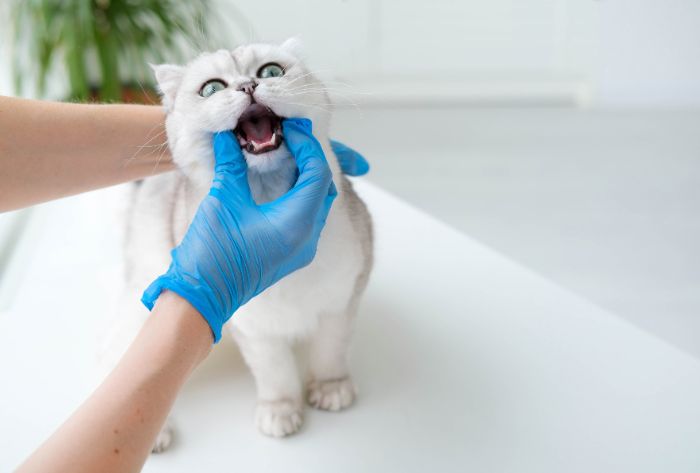
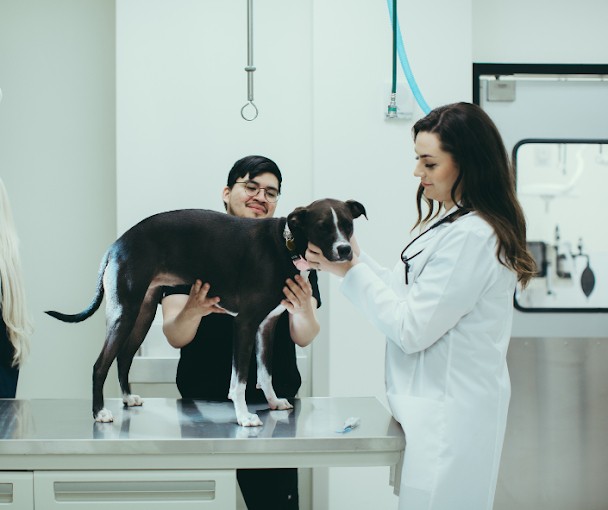
Annual or semi-annual exams allow veterinary professionals to evaluate your pet’s overall health.
These examinations often include:
- Physical assessments
- Weight evaluations
- Heart and lung checks
- Skin and coat inspections
- Oral health evaluations
Early detection of health concerns can significantly improve treatment outcomes.
Maintaining a Healthy Weight
Obesity is one of the most common health concerns affecting pets today. Excess weight increases the risk of:
- Diabetes
- Arthritis
- Heart disease
- Respiratory problems
Veterinary professionals can develop personalized nutrition and exercise plans to help pets maintain healthy body conditions.
Dental Care and Oral Health
Dental disease affects a large percentage of adult pets. Without proper care, plaque and tartar buildup can lead to:
- Gum disease
- Tooth loss
- Infection
- Chronic pain
Routine dental examinations and professional cleanings help protect oral health and overall wellness.
Preventive Screening
Even healthy-looking pets can develop hidden medical conditions. Preventive screenings may identify:
- Kidney disease
- Liver disease
- Diabetes
- Thyroid disorders
Early diagnosis often leads to more effective treatment and improved quality of life.
The Role of a Veterinarian During Middle Age
Middle-aged pets often experience subtle changes that can easily go unnoticed. At this stage, proactive healthcare becomes increasingly important.
A skilled veterinarian can help monitor age-related changes through regular wellness exams and diagnostic testing.
Monitoring Chronic Conditions
Many chronic illnesses begin developing during middle age. Conditions commonly seen include:
- Arthritis
- Heart disease
- Endocrine disorders
- Obesity-related complications
Regular monitoring allows veterinary teams to manage these conditions before they progress.
Nutritional Adjustments
As metabolism changes, dietary needs often shift as well. Veterinary professionals can recommend appropriate adjustments to support:
- Healthy weight maintenance
- Joint health
- Organ function
- Energy levels
Behavioral and Lifestyle Changes
Changes in behavior may signal underlying medical concerns. Veterinary evaluations help determine whether symptoms are age-related or indicate a more serious issue.
Senior Pet Care: Promoting Comfort and Longevity
Senior pets require additional attention as aging affects nearly every body system. Fortunately, advances in veterinary medicine allow many older pets to enjoy active and comfortable lives.
More Frequent Wellness Exams
Senior pets benefit from more frequent checkups because health conditions can develop rapidly.
Routine visits help monitor:
- Organ function
- Mobility
- Cognitive health
- Weight changes
- Vision and hearing
Early intervention often improves outcomes and quality of life.
Pain Management
Arthritis and joint degeneration commonly affect senior pets. Pain can reduce mobility and negatively impact daily activities.
Veterinary professionals may recommend:
- Pain medications
- Joint supplements
- Weight management plans
- Physical rehabilitation therapies
These treatments help maintain comfort and independence.
Diagnostic Testing for Aging Pets
Senior wellness screenings often include:
- Blood work
- Urinalysis
- Blood pressure monitoring
- Imaging studies
These tests provide valuable insight into your pet’s internal health and can identify problems before symptoms appear.
Cognitive Health Support
Just like humans, pets can experience age-related cognitive decline. Symptoms may include:
- Confusion
- Altered sleep patterns
- Increased anxiety
- House-training accidents
Veterinary guidance can help manage these changes and improve quality of life.
The Importance of Preventive Care Throughout Life
Preventive care remains one of the most effective ways to support lifelong health.
Benefits include:
- Earlier disease detection
- Reduced medical costs
- Improved longevity
- Better quality of life
- Enhanced comfort and mobility
Routine care allows veterinary professionals to establish health baselines and identify changes before they become serious concerns.
Building a Long-Term Relationship With Your Veterinary Team
Consistent veterinary care provides more than medical treatment. It creates a partnership focused on your pet’s overall well-being.
When veterinary professionals become familiar with your pet’s health history, they can:
- Detect subtle changes
- Provide personalized recommendations
- Track long-term trends
- Develop effective treatment plans
This ongoing relationship supports better healthcare decisions throughout every stage of life.
How Pet Owners Can Support Lifelong Health
Veterinary visits are only one part of maintaining wellness. Pet owners also play an important role in daily health management.
Helpful habits include:
Provide Balanced Nutrition
Feed a high-quality diet appropriate for your pet’s age, size, and activity level.
Encourage Regular Exercise
Physical activity helps maintain a healthy weight, muscle strength, and mental stimulation.
Watch for Changes
Monitor your pet for changes in:
- Appetite
- Energy level
- Behavior
- Mobility
- Bathroom habits
Report unusual symptoms promptly.
Keep Up With Preventive Care
Stay current with:
- Vaccinations
- Parasite prevention
- Dental care
- Wellness exams
These measures provide valuable protection against many common health issues.
Choosing Quality Veterinary Care for Your Pet
Finding the right veterinary team is one of the most important decisions a pet owner can make. Compassionate professionals provide guidance, education, and medical expertise that support your pet’s health at every age.
Whether caring for a playful puppy, an active adult pet, or a beloved senior companion, regular veterinary care remains essential for promoting lifelong wellness.
A trusted veterinarian in New York can help ensure your pet receives personalized care tailored to their unique needs throughout every stage of life.
Every stage of your pet’s life brings new opportunities to support their health and happiness. From vaccinations and preventive care to senior wellness screenings and chronic disease management, professional veterinary care plays a critical role in helping pets thrive. By scheduling regular checkups and following expert recommendations, pet owners can give their companions the best chance for a long, healthy life.
If you’re in New York and looking for a veterinarian near you, schedule an appointment with Pure Paws Veterinary Care of Hudson Square. Our veterinary team is dedicated to providing compassionate, comprehensive care that supports your pet’s health through every life stage.
FAQs
1. Why are regular veterinary visits important for pets of all ages?
Regular veterinary visits help detect potential health concerns early, support preventive care, and ensure your pet receives age-appropriate treatment. At Pure Paws Veterinary Care of Hudson Square, our team provides personalized care plans designed to keep pets healthy throughout every stage of life.
2. How often should I schedule a wellness exam for my pet?
Most adult pets benefit from annual wellness exams, while puppies, kittens, and senior pets may require more frequent visits. The team at Pure Paws Veterinary Care of Hudson Square can recommend the ideal schedule based on your pet’s individual needs.
3. What services help keep my pet healthy as they age?
Preventive care services such as wellness exams, diagnostic testing, dental care, nutritional counseling, and parasite prevention all contribute to lifelong health. Our experienced veterinary team offers comprehensive services to support pets from their earliest years through their senior stage.
4. When should I bring my pet to the veterinarian if I notice changes in behavior?
Any noticeable changes in appetite, energy level, mobility, or behavior should be evaluated as soon as possible. Early intervention can make a significant difference in treatment outcomes. Contact Pure Paws Veterinary Care of Hudson Square to schedule an evaluation if you have concerns about your pet’s health.
5. How can Pure Paws Veterinary Care of Hudson Square support my pet’s long-term wellness?
We focus on preventive care, early disease detection, personalized treatment plans, and client education. Our compassionate team works closely with pet owners to help pets enjoy healthier and happier lives at every age.
6. How do I schedule an appointment for my pet?
Scheduling an appointment is easy. Contact Pure Paws Veterinary Care of Hudson Square to book a wellness exam, preventive care visit, or consultation. Our dedicated veterinary team is ready to provide the quality care your pet deserves.