Bringing home a new pet is exciting, but many first-time owners unknowingly make mistakes that can affect their pet’s health, behavior, and happiness. From feeding habits to skipped vet visits, these common pet owner mistakes can lead to avoidable stress for both pets and families.
In this veterinarian’s guide, we’ll break down the most common pet owner mistakes new pet parents make and explain how to avoid them. Whether you recently adopted a puppy, kitten, or rescue pet in Hell’s Kitchen, New York City, this guide will help you build healthy habits from day one and give your pet the best possible start.
Common Mistakes Every New Pet Parent Should Avoid
New pet owners often focus on toys, treats, and cute photos while overlooking essential parts of responsible pet care. Scheduling an early visit with a Hell’s Kitchen veterinary clinic can help pet parents build healthy routines from the start. While every pet learns differently, there are a few mistakes veterinarians see repeatedly.
Understanding these issues early can prevent health complications, behavioral problems, and more serious visits later.
Some of the most common pet owner mistakes include:
- Skipping early veterinary care
- Overfeeding pets
- Ignoring training and socialization
- Choosing the wrong diet
- Not pet-proofing the home
- Waiting too long to address symptoms
- Lack of exercise and mental stimulation
The good news is that most of these problems are completely preventable with proper guidance and consistency.
Why Early Veterinary Visits Matter
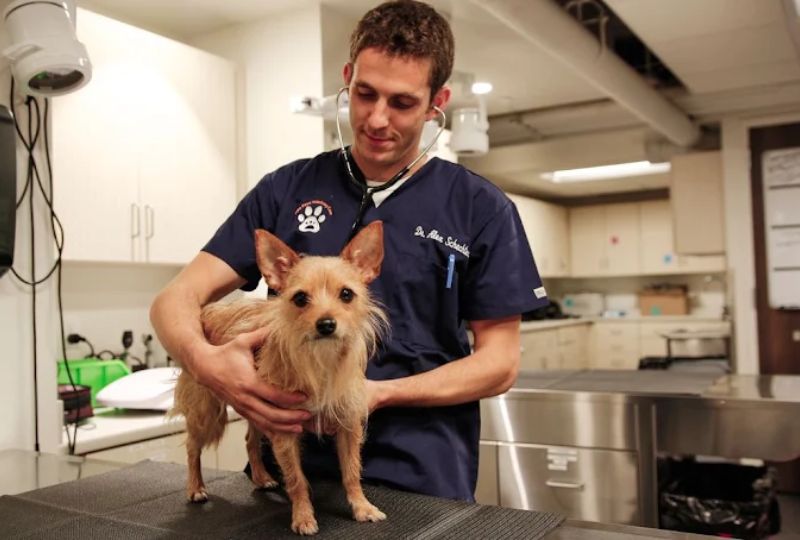
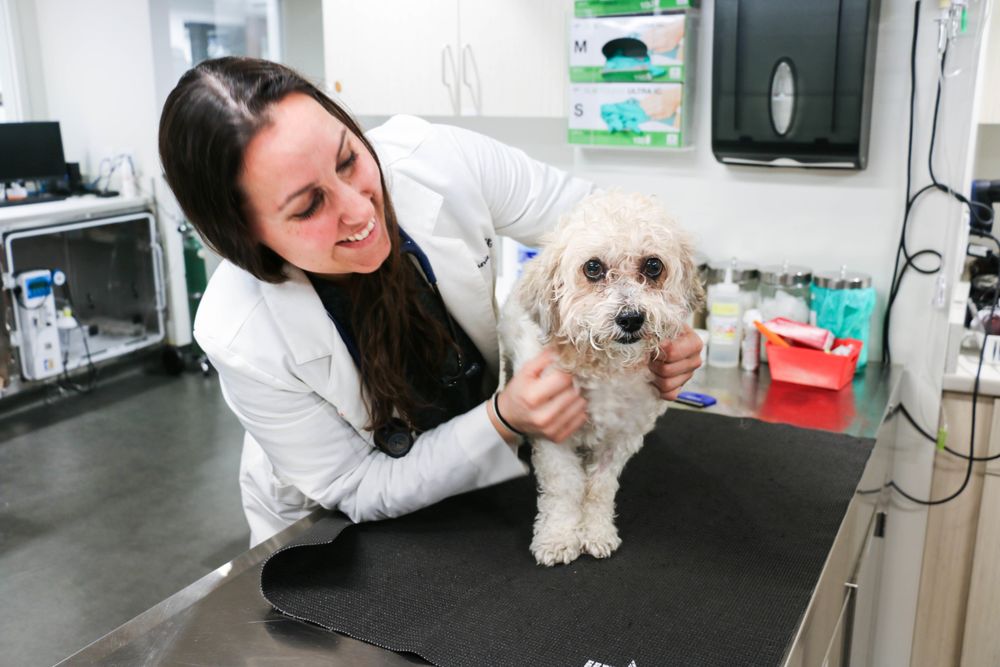
One of the biggest mistakes new pet owners make is waiting too long for the first veterinary appointment. Many people assume a healthy-looking puppy or kitten doesn’t need immediate care, but early vet visits are critical.
During the first exam, veterinarians check for:
- Parasites and worms
- Vaccination needs
- Growth and development concerns
- Skin or digestive issues
- Congenital health conditions
In a busy urban neighborhood like Hell’s Kitchen, pets are exposed to crowded sidewalks, dog parks, and shared spaces where illnesses can spread quickly. Early vaccinations and preventive care help protect your pet from serious diseases.
Routine wellness visits also help pets become comfortable around veterinary staff, reducing anxiety later in life.
Overfeeding and Poor Nutrition Choices
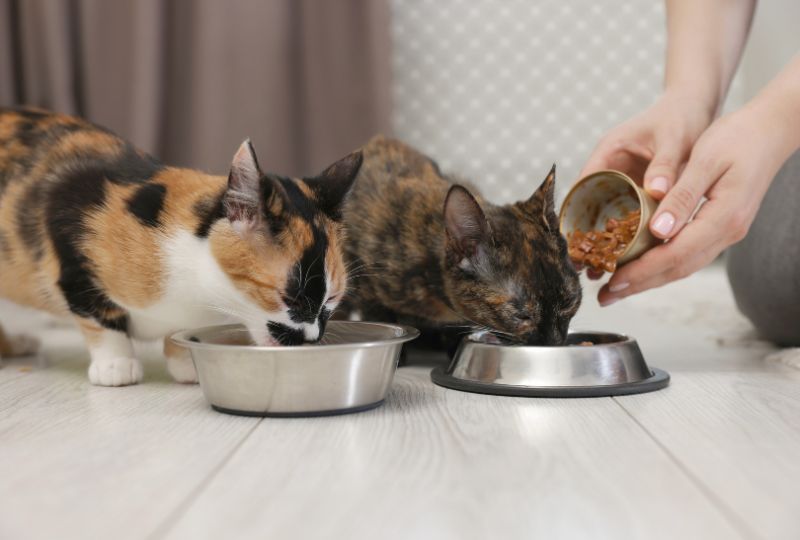
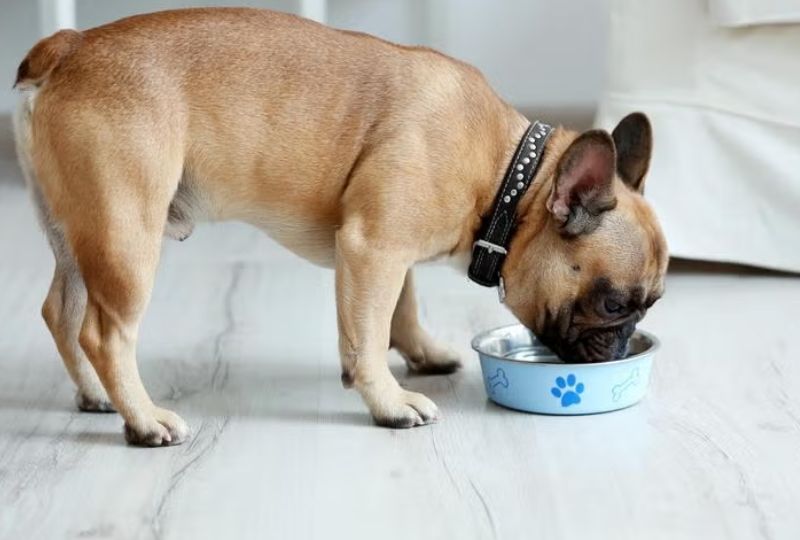
Overfeeding is one of the most common mistakes among pet owners. Many pet owners associate food with love, leading to excessive treats and oversized portions.
Unfortunately, obesity in pets can contribute to:
- Joint problems
- Diabetes
- Heart disease
- Reduced lifespan
- Low energy levels
New pet owners should avoid guessing portion sizes. Puppies and kittens have different nutritional requirements than adult animals, and breed size also matters.
Signs Your Pet May Be Overfed
- Difficulty feeling ribs
- Low activity levels
- Rapid weight gain
- Heavy breathing after mild activity
It’s also important to avoid feeding table scraps regularly. Human foods like onions, chocolate, grapes, and fatty leftovers can be dangerous for pets.
A veterinarian can recommend the right food based on age, breed, and activity level.
Skipping Training and Socialization
Behavioral problems often start early. Another common mistake among pet owners is assuming pets will naturally “grow out” of bad behavior.
Without proper socialization and training, pets may develop:
- Separation anxiety
- Excessive barking
- Aggression
- Fearfulness
- Leash pulling
- Destructive chewing
In New York City, pets encounter crowded elevators, loud traffic, bicycles, and strangers daily. Early exposure to different environments helps pets remain calm and confident.
Helpful Socialization Tips
- Introduce pets to new sounds gradually
- Reward calm behavior with praise
- Schedule safe interactions with other vaccinated pets
- Keep training sessions short and positive
- Start leash training early
Consistency matters more than perfection. Even 10 minutes of daily training can significantly improve behavior.
Ignoring Preventive Care
Preventive care saves lives, yet many new owners only visit the veterinarian when their pet is visibly sick.
Preventive care includes:
- Vaccinations
- Flea and tick prevention
- Heartworm prevention
- Dental care
- Routine bloodwork
- Wellness exams
Parasites and infections are especially common in densely populated neighborhoods where pets frequently interact outdoors.
Why Dental Care Gets Overlooked
Dental disease is one of the most common health issues veterinarians see in adult pets. Bad breath is not normal and may indicate gum disease or infection.
Simple habits like dental treats, brushing, and annual cleanings can prevent painful oral conditions later.
Not Pet-Proofing the Home
Many first-time pet parents underestimate how curious pets can be. Puppies and kittens explore the world by chewing, climbing, and sniffing everything.
Common household dangers include:
- Electrical cords
- Cleaning supplies
- Toxic plants
- Small choking hazards
- Open windows
- Human medications
Apartment living in Hell’s Kitchen often means smaller spaces, which can make it easier for pets to access dangerous items.
Easy Ways to Pet-Proof Your Home
- Store chemicals in closed cabinets
- Secure trash cans tightly
- Remove toxic plants
- Use baby gates if needed
- Keep cords out of reach
- Avoid leaving food unattended
Prevention is always easier than emergency treatment.
Waiting Too Long to Address Symptoms
Another major common mistake among pet owners is delaying medical attention. Pets instinctively hide pain, which means symptoms may appear subtle at first.
Signs that should never be ignored include:
- Vomiting or diarrhea lasting more than 24 hours
- Sudden lethargy
- Loss of appetite
- Difficulty breathing
- Limping
- Excessive scratching
- Changes in urination
Many conditions become more serious — and more expensive — when left untreated.
Trust Your Instincts
If something feels unusual about your pet’s behavior, it’s worth calling a veterinarian. Early intervention often leads to faster recovery and lower treatment costs.
Lack of Exercise and Mental Stimulation
Physical activity is essential for both physical and mental health. New pet owners sometimes assume indoor pets don’t require much exercise, especially in city apartments.
However, boredom can lead to:
- Excessive barking
- Destructive behavior
- Anxiety
- Weight gain
- Depression
Great Indoor Activities for NYC Pets
- Puzzle feeders
- Tug toys
- Short training sessions
- Indoor fetch
- Treat hunts
- Cat climbing shelves
Dogs also benefit from structured walks rather than quick bathroom breaks. Exploring new routes and environments provides important mental stimulation.
Even cats need daily playtime to stay active and healthy.
Choosing Pets Based Only on Appearance
Some new owners choose a breed because it looks cute or trendy without researching temperament and care needs.
High-energy breeds may struggle in small apartments without adequate exercise, while some pets require extensive grooming or specialized medical care.
Before adopting a pet, consider:
- Activity level
- Grooming needs
- Size
- Noise sensitivity
- Time commitment
- Compatibility with children or other pets
The best pet match depends on lifestyle, not appearance alone.
Importance of Building a Long-Term Veterinary Relationship
A trusted veterinarian becomes an important partner throughout your pet’s life. Regular care allows veterinarians to track changes over time and catch health issues early.
Long-term veterinary relationships help with:
- Personalized nutrition advice
- Behavioral support
- Preventive care plans
- Chronic disease management
- Emergency guidance
For busy pet owners in Hell’s Kitchen, having a reliable local veterinary clinic can make managing pet health much easier.
Pure Paws Veterinary Care of Hell’s Kitchen helps pet owners understand preventive care, nutrition, and healthy routines so pets can live longer, happier lives.
Avoid Mistakes With Veterinary Help
Being a first-time pet owner comes with a learning curve, but avoiding these common pet owner mistakes can make a huge difference in your pet’s health and quality of life. Early veterinary care, proper nutrition, consistent training, and preventive care all play an important role in helping pets thrive.
Whether you’ve recently adopted a puppy, kitten, or rescue pet in Hell’s Kitchen, creating healthy habits early can prevent many future problems. If you have questions about your pet’s health, behavior, or wellness plan, book an appointment with Pure Paws Veterinary Care in Hell’s Kitchen today.
FAQs
Q1: What are the most common pet owner mistakes first-time owners make?
The most common pet owner mistakes include overfeeding, skipping vet visits, poor training, lack of socialization, and ignoring preventive care, such as vaccines and parasite prevention.
Q2: How soon should I take my new puppy or kitten to the vet?
Most veterinarians recommend scheduling your pet’s first exam within the first week after bringing them home to check for parasites, provide vaccinations, and assess overall health.
Q3: Why is socialization important for pets?
Socialization helps pets stay calm around loud noises, crowds, elevators, and other animals, which is especially important in busy areas.
Q4: How can I tell if I’m overfeeding my pet?
Signs of overfeeding include rapid weight gain, low energy, difficulty feeling ribs, and excessive begging for food.
Q5: How often should pets have wellness exams?
Most healthy adult pets should visit the veterinarian at least once a year, while puppies, kittens, and senior pets may require more frequent visits.