Bringing a new cat into your life is an exciting experience, but it also comes with the important responsibility of keeping them healthy. Establishing a solid preventive care routine from the start ensures your cat thrives throughout their life. The earlier you start taking proactive steps in their care, the more likely they are to enjoy a long, vibrant life.
If you’re in New York and looking for advice on setting up a preventive care routine for your new cat, this blog is especially for you! We’ll guide you through the essentials, from vaccinations and nutrition to grooming and vet checkups, so your cat stays in great health from day one. Let’s dive into the key steps to set up a preventive care routine for your cat!
Why Preventive Care Matters for Your New Cat
Preventive care is all about taking proactive steps to ensure your cat stays healthy before problems arise. It’s easier and less expensive to prevent diseases and health issues than to treat them once they’ve already developed. When it comes to your new cat, starting a routine early is the best way to ensure they have a long, healthy life.
From vaccinations to parasite prevention and regular vet visits, each element of preventive care addresses a specific aspect of your cat’s well-being. These habits not only help protect your cat from common illnesses but also make it easier to catch potential health issues early, when they’re most treatable.
By setting up a preventive care routine now, you’re giving your cat the best chance for a future filled with health and happiness.
Key Components of a Preventive Care Routine
A comprehensive preventive care routine for your new cat includes various aspects of health, from regular checkups to diet and grooming. Here’s a breakdown of the essential components of your cat’s care routine:
1. Regular Veterinary Checkups
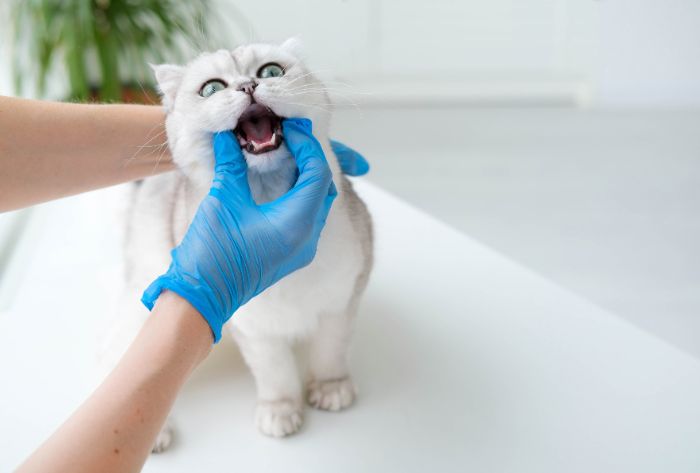
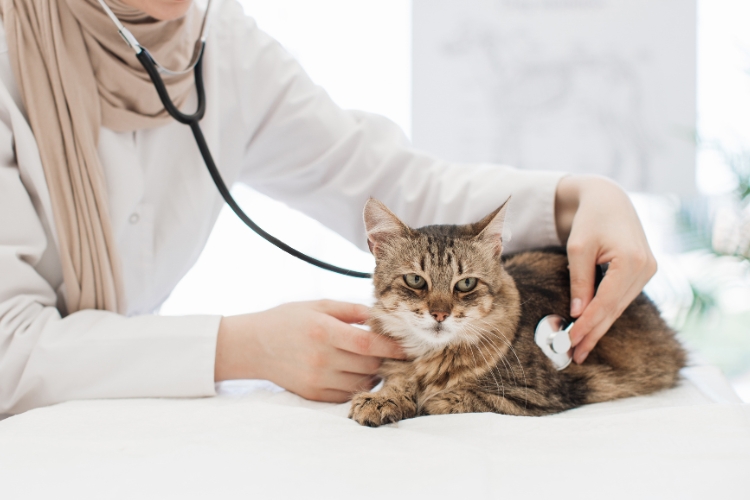
The first step in your cat’s preventive care journey is an initial visit to the vet, which should be done within the first few weeks of bringing your cat home. During the checkup, a thorough health examination will be conducted, and an appropriate vaccination schedule will be recommended. Regular checkups will help establish a baseline for your cat’s health and allow the vet to spot potential issues early on.
2. Vaccinations and Preventive Medications
Vaccinations are a cornerstone of preventive care, protecting your cat from diseases such as rabies, feline distemper, and feline leukemia. For kittens, vaccinations should start at 8-9 weeks of age, with booster shots at regular intervals. In addition to vaccinations, your vet will recommend preventive treatments for parasites such as fleas, ticks, and worms. Keeping your cat up to date with these treatments helps ensure they stay protected from common and potentially serious health threats.
3. Nutrition and Diet
Proper nutrition is crucial for your cat’s health and development. Whether your cat is a kitten, adult, or senior, their dietary needs will change as they grow. Ask your veterinarian to recommend a balanced, high-quality food that meets your cat’s nutritional needs. Always provide fresh water and follow the vet’s guidelines for portion sizes based on your cat’s age, size, and activity level. A healthy diet supports a strong immune system, good digestion, and overall well-being.
4. Grooming and Hygiene
Grooming plays a big part in your cat’s comfort and health. Regularly brushing your cat’s fur helps reduce shedding and prevent hairballs. It also keeps their coat shiny and free from mats, especially for long-haired breeds. In addition to brushing, regularly check your cat’s ears, eyes, teeth, and nails. Keeping their teeth clean can help prevent dental disease, while trimming their nails ensures they don’t grow too long or become sharp, which can cause discomfort.
5. Spaying or Neutering
Spaying or neutering your cat is one of the most important steps in preventing health problems and unwanted litters, which not only helps control the pet population but also reduces the risk of certain health conditions, such as uterine infections and testicular cancer. Spaying or neutering can also prevent behavioral issues, like territorial marking and aggression.
Preventive Care Based on Age and Health Stage
The preventive care routine for your new cat may vary based on their age, breed, and health condition. Here’s a breakdown of what to focus on at each stage of your cat’s life:
Kittens (Up to 1 Year)
- Vaccinations: Kittens need a series of vaccinations starting at 8-9 weeks of age, with booster shots every few weeks until they’re 16 weeks old.
- Parasite Prevention: Deworming is typically done at 2, 4, 6, and 8 weeks of age. A flea preventive is also necessary, especially for outdoor kittens.
- Socialization: Early socialization is important during this stage. Introduce your kitten to various people, pets, and environments to help it become a well-adjusted adult cat.
Adult Cats (1-7 Years)
- Regular Vet Visits: Annual checkups are essential to monitor your cat’s health, including assessing their weight, dental health, and overall condition.
- Vaccines and Preventives: Continue with yearly vaccinations and flea/tick prevention.
- Diet and Exercise: Ensure your cat is eating a balanced diet suited to their activity level and weight. Consider interactive toys and activities to keep them engaged and active.
Senior Cats (7+ Years)
- Health Monitoring: Older cats are more prone to conditions such as arthritis, kidney disease, and dental problems. Bi-annual checkups are recommended to catch any potential problems early.
- Specialized Diet: Senior cats may benefit from food designed to support joint health, digestion, and overall well-being.
- Increased Vet Visits: Senior cats should be monitored more frequently to assess heart health, kidney function, and mobility.
Tips for Maintaining Your Cat’s Preventive Care Routine
Now that you understand the basics of a preventive care routine, here are some practical tips for maintaining consistency:
Create a Schedule
Keep track of important dates, such as vet appointments, vaccination boosters, and parasite treatments. Setting up reminders on your phone or in your calendar ensures you don’t miss any necessary care steps.
Use a Health Journal
Document any changes in your cat’s behavior or health, which will help you and your vet track their condition and identify any patterns over time.
Routine at Home
Incorporate preventive care into your daily routine. Feed your cat at the same time each day, clean their litter box regularly, and take time for grooming sessions.
Be Prepared for Emergencies
While prevention is key, it’s also essential to be prepared for any health emergencies. Familiarize yourself with common signs of illness in cats, such as vomiting, lethargy, or changes in appetite.
The Impact of Early Preventive Care on Your Cat’s Health
The benefits of a strong preventive care routine go far beyond simply preventing illness. By catching health problems early and ensuring your cat stays up to date with their treatments, you’re giving them the best chance for a healthy, comfortable life. Here’s how early preventive care impacts your cat:
Healthier, Longer Life
By monitoring your cat’s health from the start, you can help prevent chronic diseases, such as heart disease, kidney issues, and arthritis. Early detection can improve your cat’s overall life expectancy.
Better Quality of Life
Preventive care means fewer health issues and less discomfort for your cat. With proper nutrition, regular vet visits, and parasite prevention, your cat will feel better and have more energy to play, explore, and enjoy life.
Fewer Vet Visits for Serious Problems
Taking steps to prevent illness can help you avoid expensive treatments and invasive procedures down the line. Preventive care reduces the risk of serious health issues that require expensive interventions.
Setting Your Cat Up for a Healthy Life
A well-planned preventive care routine is essential for ensuring your cat’s long-term health and happiness. By focusing on regular vet visits, vaccinations, proper nutrition, grooming, and spaying or neutering, you can give your new cat the best start possible. These simple, proactive steps will not only prevent future health problems but also improve your cat’s quality of life.
If you’re in New York and want to ensure your new cat gets the best care possible, schedule an appointment with Pure Paws Veterinary Care. We’re here to provide the preventive care your cat needs for a long, healthy life. Book your consultation now!
FAQs
1. When should I take my new kitten to the vet?
You should take your kitten to the vet within the first week after bringing them home for a health checkup, vaccinations, and deworming.
2. How often should I take my cat to the vet?
Adult cats should have annual checkups, while senior cats should be seen twice a year. Kittens need more frequent visits for vaccinations and growth monitoring.
3. What should I feed my new cat?
Consult your vet for recommendations on a balanced diet suitable for your cat’s age, size, and activity level. High-quality commercial cat food or a homemade diet can be options.
4. How can I prevent my cat from getting fleas?
Use monthly flea preventives recommended by your vet. Keep your home clean, wash your cat’s bedding regularly, and check your cat for fleas, especially during flea season.
5. How can I tell if my cat is overweight?
You can feel your cat’s ribs. If you can’t easily feel them, or if your cat has a noticeable belly, they may be overweight. Consult your vet for a weight management plan.
6. Can I vaccinate my cat myself?
It’s best to have your vet handle vaccinations, as they can determine the right vaccines for your cat’s age, health, and lifestyle.