After your cat’s surgery, it is common to notice changes in how they eat and drink. Understanding why these changes occur and knowing how to support your cat’s recovery can make the process smoother. Whether your cat has been spayed, neutered, or undergone other procedures, taking proper care can significantly aid in their healing.
Understanding the Impact of Cat Surgery on Your Feline Friend
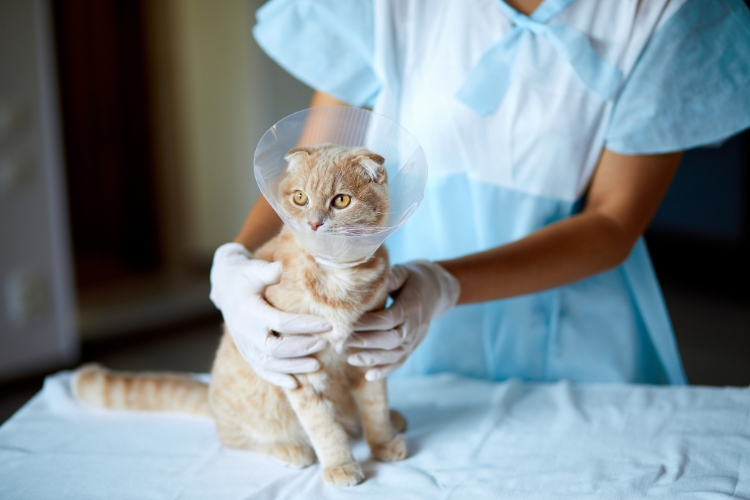
Surgery can put a lot of stress on a cat’s body and requires time for both physical and emotional recovery. During this period, it is common to notice changes in your cat’s appetite, thirst, or eating habits, which are typical signs of healing and can help you understand what your cat is experiencing.
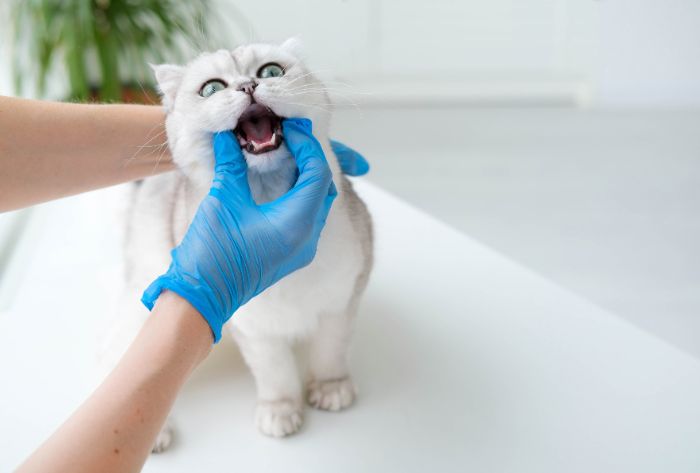
After surgery, a cat might feel pain, discomfort, or confusion, along with the effects of anesthesia and the overall stress of the procedure, which can lead to temporary changes in their eating and drinking behavior. Surgeries involving the mouth, digestive system, or abdomen may cause additional discomfort when your cat tries to eat or drink.
Appetite Changes After Surgery
One of the most common issues following cat surgery is a decrease in appetite due to:
- Pain and discomfort: Post-operative pain can make your cat feel uncomfortable while eating. If your cat is in pain, it may avoid food and water to prevent further discomfort.
- Anesthesia effects: Anesthesia can stay in the body for a while after surgery, leading to tiredness, confusion, or a temporary loss of appetite.
- Stress and anxiety: Stress from cat surgery and unfamiliar environments, like the vet’s office or home recovery space, can decrease appetite.
Sometimes, cats may stop eating altogether, which can be worrying for pet owners. Usually, this improves within a few days as your cat gets used to its routine. However, if your cat refuses to eat for more than 24 to 48 hours, it is best to seek advice from your veterinarian.
How Surgery Affects Drinking Habits?
Along with changes in eating habits, dehydration becomes a risk after surgery. Here’s why this may happen:
- Nausea: Surgery and anesthesia can cause nausea, which may make your cat reluctant to drink water, as it might feel uncomfortable or upsetting.
- Pain and discomfort: If your cat’s surgery involved the mouth, throat, or abdominal area, swallowing liquids could be painful or difficult for them.
- Stress and confusion: Recovery from surgery can be a confusing time for your cat, especially if they’re not used to being confined or feeling unwell.
If they are not drinking enough water, try offering small, frequent amounts, or consider providing wet food that can help keep them hydrated. In more severe cases, your veterinarian may recommend subcutaneous fluid therapy to prevent dehydration.
Managing Your Cat’s Diet After Surgery
Proper nutrition is essential for your cat’s recovery. Here’s how to modify their diet and hydration during this time:
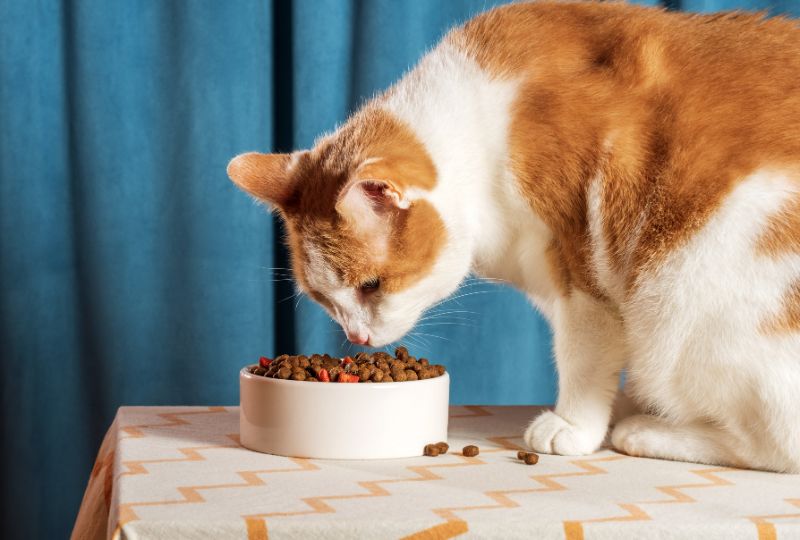
- Post-surgery food: Stick to your cat’s usual diet unless your vet suggests a special one. After surgery, some cats might favor softer food, particularly if they’ve had mouth or dental procedures. Wet food is usually a good option because it’s easier to eat and adds moisture.
- Smaller meals: If your cat is hesitant to eat, try offering smaller, more frequent meals. This can make eating less overwhelming and encourage them to eat more.
- Tempting treats: Giving your cat a special treat, like plain boiled chicken or a little tuna, can encourage their appetite. Always consult your vet first to confirm if the food is suitable.
- Hydration: Encourage cats to drink by offering fresh water in a clean bowl, using a water fountain if preferred, or adding water to their food.
Signs of Complications to Watch For
While it’s common for cats to change their eating and drinking patterns after surgery, certain signs shouldn’t be ignored. Be sure to look out for the following:
- Prolonged loss of appetite or refusal to drink: If your cat hasn’t eaten or drunk anything for more than 48 hours, it could be a sign of an underlying issue, like infection or complications after surgery.
- Vomiting or diarrhea: If your cat has persistent vomiting or diarrhea after surgery, it may indicate gastrointestinal problems or an infection.
- Pain or discomfort: If your cat is showing signs of severe pain, such as crying, hiding, or limping, consult your vet for pain management adjustments.
Early detection of complications can help prevent further issues and ensure that your cat heals as quickly and comfortably as possible.
Caring for Your Cat After Surgery
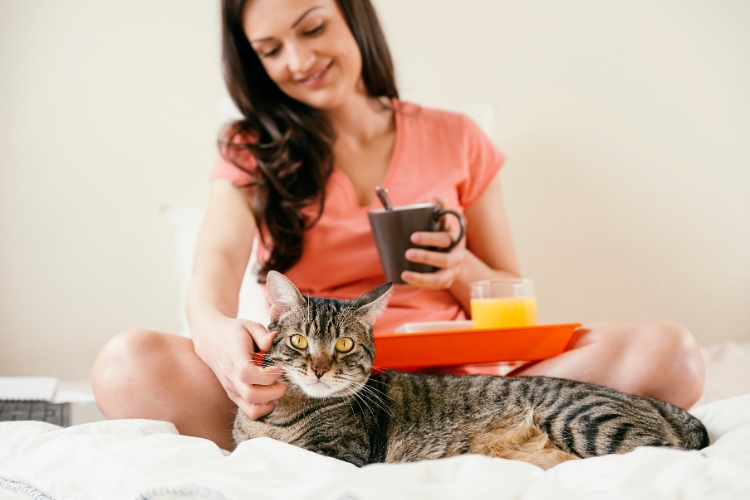
Cat surgery is a significant event for both your pet and you, the owner. While it’s normal for your cat to experience changes in eating and drinking habits, these are typically temporary and improve as your cat heals. To support their recovery, provide a proper diet, ensure plenty of water, and watch for any signs of complications. This way, you can help your cat recover smoothly and get back to normal quickly.
If you’re worried about how your cat is healing or if you spot any concerning symptoms after surgery, book an appointment at Pure Paws Veterinary Care. Our team is always ready to offer support, advice, and caring attention to help your cat recover completely.
FAQs
Q1. How long will my cat’s appetite be affected after surgery?
Ans. Most cats experience a decreased appetite for the first 1-2 days post-surgery, but it typically improves after a few days. If your cat refuses food for more than 48 hours, contact your vet.
Q2. Can surgery affect my cat’s drinking habits?
Ans. Yes, surgery can lead to dehydration if your cat is reluctant to drink. Offering fresh water frequently and mixing water into food can help ensure they stay hydrated.
Q3. What should I feed my cat after surgery?
Ans. You should offer their regular food unless advised otherwise. Wet food is often easier to eat and provides extra hydration. Smaller, more frequent meals may also encourage your cat to eat.
Q4. How can I encourage my cat to eat after surgery?
Ans. Try offering soft, bland foods or treats, such as plain boiled chicken. Some cats may prefer wet food or even baby food as they recover.
Q5. Is it normal for my cat to be lethargic after surgery?
Ans. Yes, it is normal for your cat to be lethargic for a few days after surgery as they recover from the anesthesia and the stress of the procedure. Monitor them closely and offer comfort.