Many dog owners are unaware that parasites are more common than they might think. The warm, humid weather in places like New York, along with outdoor spaces, can increase the risk that your dog will catch parasites. Dog owners need to know the signs of parasite infection to protect their pets’ health and happiness. Let’s explore and identify early warning signs and show you how to take the proper steps to keep your dog safe from the harmful effects of parasites.
What Are Dog Parasites?
Parasites are organisms that live on or inside other living things and can harm their hosts. For dogs, parasites include external parasites such as fleas and ticks, as well as internal parasites such as worms. Both can cause serious health problems and illness if left untreated. A dog’s immune system may struggle to fight parasites, leading to ongoing health issues. Parasites can spread diseases, cause discomfort, and sometimes even threaten a dog’s life. Regular parasite prevention is essential, and noticing early signs can help keep your dog safe.
Common Signs of Parasite Infestation
The symptoms of parasite infestations can vary, but many of them are noticeable with keen observation. Below are some of the key signs that could indicate the need for a dog parasite control:
Excessive Scratching or Biting
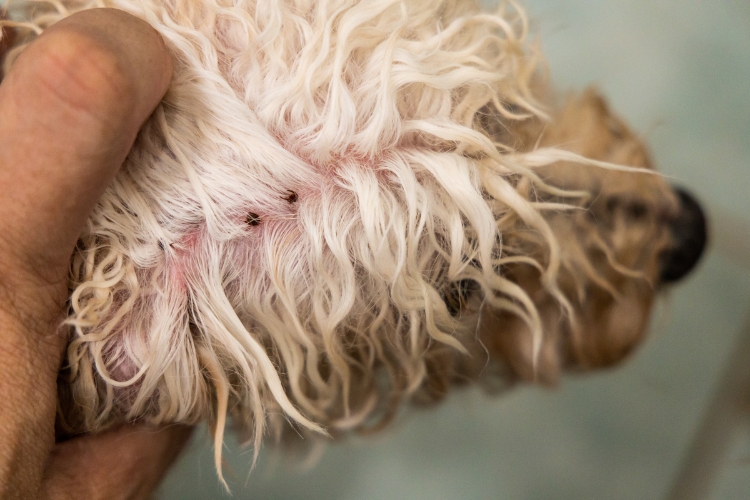
Fleas and ticks are common parasites that make dogs itchy and uncomfortable. Dogs often scratch, bite, or lick areas where fleas or ticks are present. Ticks can be seen on the skin, so check your dog regularly, especially after walks in grassy or wooded areas.
Vomiting and Diarrhea
If your dog suddenly vomits or has diarrhea without an apparent reason, it might have internal parasites, such as roundworms, hookworms, or tapeworms. These worms can upset your dog’s stomach. Sometimes, you may see worms in the vomit or stool.
Weight Loss and Poor Coat Condition
Parasites like hookworms and roundworms take nutrients from your dog. This can cause weight loss, a dull coat, and tiredness. Even if your dog eats normally, watch for weight loss or an unhealthy coat, which may indicate internal parasites.
Change in Appetite
A sudden change in appetite is a warning sign. Tapeworms can make your dog very hungry. Hookworms can cause loss of appetite due to nausea or poor nutrient absorption.
Lethargy and Weakness
Parasites can drain your dog and make it sluggish. If your dog suddenly shows less activity, refuses to play, or seems more lethargic, it might be due to a parasitic infection, especially if the parasite causes discomfort or anemia.
Coughing
Dogs infected with heartworms frequently cough due to lung irritation. In some instances, these infections can lead to severe respiratory distress. If coughing occurs alongside lethargy or weight loss, a veterinarian should assess the dog promptly.
Visible Worms in the Stool
One clear sign of internal parasites is worms in your dog’s stool. Roundworms look like spaghetti strands, and tapeworms resemble small rice grains. If you see any unusual material in your dog’s stool, see a vet.
How to Prevent Parasite Infestation
Protecting your dog from parasites can save you the stress of infestations. Here are some tips for effective dog parasite control:
Routine Veterinary Check-Ups
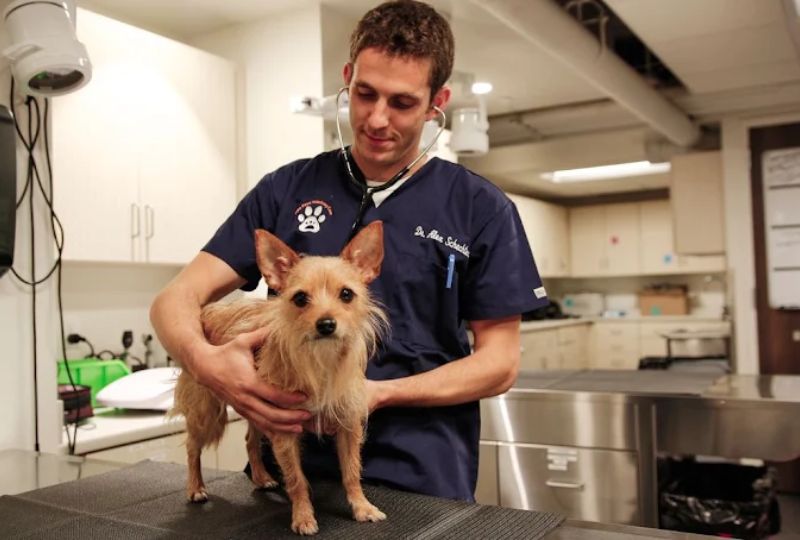
Regular check-ups with your veterinarian are essential. A vet can help detect early signs of parasites and recommend appropriate preventive treatments, such as flea, tick, and worm medications.
Use Preventive Treatments
Many medications can prevent parasites. Flea and tick preventatives, heartworm pills, and dewormers help protect your dog. Talk to your vet to find the best option for your dog’s age, health, and lifestyle.
Maintain Clean Living Conditions
Regularly wash your dog’s bedding and clean the living spaces to prevent flea infestations. Additionally, maintaining a debris-free yard and home environment reduces hiding spots for ticks and fleas, helping to lower the risk.
Regular Grooming
Regular bathing and brushing your dog helps eliminate dirt, ticks, and fleas, especially after outdoor activities in areas prone to parasites. Monitor for any unusual bumps or bites.
Limit Exposure to Parasite-Rich Environments
Avoid areas with high parasite activity, like tall grass, woods, and stagnant water. After outdoor activities or walks, always inspect your dog for ticks and other parasites.
Protect Your Dog with Routine Care
Parasite infestations are frequent in dogs, but by taking some simple preventative steps, you can keep your dog safe from these pesky intruders. Being aware of the early signs of parasites and acting quickly can make a big difference in preventing your dog’s discomfort. If you see any signs of a parasite problem, it’s crucial to get in touch with your veterinarian right away to ensure the best care for your furry friend.
Seeking thorough dog parasite control treatments tailored to your pet can help ensure your dog remains happy and healthy. Book a consultation today with a qualified veterinarian to explore prevention and treatment options.
FAQs
Q1. Can a dog get parasites from another dog?
Ans. Yes, parasites can transfer between dogs, especially when they are in close contact. Fleas, ticks, and worms can spread through shared areas or grooming.
Q2. Is heartworm prevention necessary year-round?
Ans. Yes, it is recommended that heartworm prevention be administered year-round, as mosquitoes can transmit heartworms even during colder months. Please consult your veterinarian to determine the most appropriate prevention plan for your dog.
Q3. What is the treatment for hookworms in dogs?
Ans. Hookworms are addressed through deworming medication as prescribed by your veterinarian. It is essential to maintain regular follow-up examinations to confirm the complete eradication of the parasites.
Q4. How can I protect my dog from mosquitoes?
Ans. Using heartworm prevention, keeping your dog indoors during peak mosquito hours, and using dog-safe mosquito repellent can help protect your dog from mosquito bites.
Q5. Are there any natural remedies for fleas?
Ans. Some natural remedies, such as essential oils like lavender or eucalyptus, can help repel fleas, but consult your vet for safe, effective treatments.