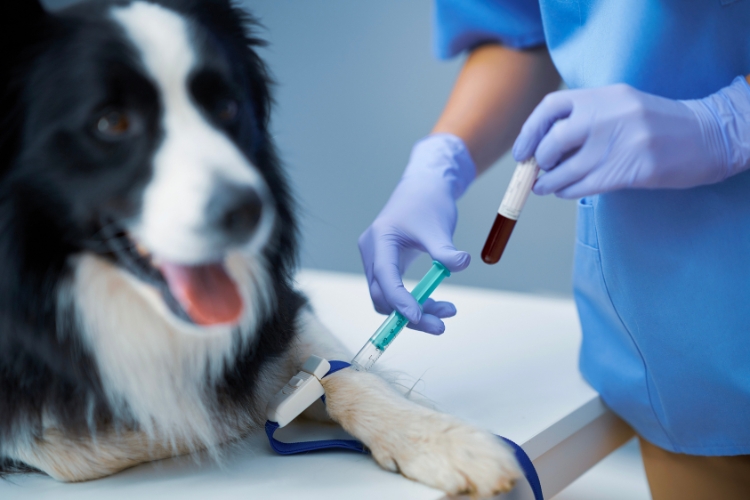
When managing your dog’s health, it is vital to regularly check how medications are working and ensure they are safe. Lab tests give insights into your dog’s response to treatment and verify that medications are administered with appropriate dosages. Using these tests can help prevent side effects and other health issues, making sure your dog receives the best possible care.
The Role of Dog Lab Testing in Medication Management
Dog lab testing encompasses various diagnostic procedures, including blood work, urine analysis, and specialized screenings that reveal how your dog’s body processes medications. These tests help veterinarians evaluate organ function, such as the liver and kidneys, during medication management.
Lab tests are especially valuable for managing chronic conditions like arthritis, diabetes, and kidney disease, which necessitate continuous treatment. Regular lab testing helps veterinarians check if your dog is absorbing medication properly and identify any adverse reactions.
Why Lab Testing is Important for Monitoring Medications?
The primary reason lab testing is crucial when your dog is on medication is that it helps track how well the medication is working and whether it is causing any side effects. Here are some key reasons why dog lab testing is so necessary:
Ensure Proper Dosage
Some medications need accurate doses to work safely and effectively. Laboratory tests help veterinarians see if the medication is being processed correctly and if the dose is right for your dog’s specific health needs. If a dog is not absorbing enough medication or if too much is absorbed, the veterinarian will need to adjust the dosage accordingly.
Detect Side Effects Early
Lab tests help detect early signs of adverse reactions to medications that may not be immediately obvious, such as liver damage, kidney stress, or changes in blood sugar levels, which can occur with long-term medication use in dogs. Regular testing can catch these problems early, enabling quick adjustments to the treatment plan and helping to keep your dog healthy.
Monitor Organ Function
Many medications, especially those for chronic conditions, can stress the liver or kidneys. Regular lab tests help check how well these organs are working while your dog is on medication. For instance, drugs for arthritis or pain relief may impact these organs, making it essential to monitor their health regularly.
Types of Dog Lab Tests for Medication Monitoring
Several types of lab tests can be used to monitor your dog’s response to medications. The most common tests include:
Blood Tests
Blood work is often the first step in assessing how a dog is responding to medication. It helps monitor red and white blood cell counts, liver and kidney enzymes, and overall blood chemistry.
Urine Tests
Urine tests help assess how well a dog’s kidneys are functioning and can also indicate issues related to hydration, protein levels, or glucose. These tests are vital for dogs on medications that might affect their kidneys, as they help monitor their health over time.
Biochemical Panels
Biochemical panels are detailed tests that assess various aspects of your dog’s health, including electrolyte levels, enzyme activity, and organ function. These tests are vital for dogs with ongoing health issues who are on long-term medication, as they give a clear picture of how the medication is affecting your dog’s body systems.
Hormone Level Tests
Hormone tests are commonly used in managing conditions such as hypothyroidism or diabetes. They assess the body’s response to hormone treatments and help confirm the correct dosage.
Specialized Screens for Chronic Conditions
Some health conditions, such as heart disease and arthritis, require specific lab tests to monitor progression and assess factors such as inflammation levels, heart function, and joint health in response to treatment. For example, in dogs with arthritis, a specialized test for joint inflammation can help determine whether the medication is effectively reducing pain and swelling.
How Dog Lab Testing Supports Long-Term Medication Plans
When your dog is on long-term medication, regular lab tests are crucial for tracking the treatment’s effectiveness. Here’s how dog lab testing helps support long-term medication plans:
Adjusting Medications as Needed
Over time, your dog’s health may change, which means your veterinarian might need to adjust the medication plan. Regular lab tests help the vet determine the proper doses or medications based on how your dog is responding, making it especially important if your dog has a long-term condition, as their needs can change over time.
Tracking Medication Effectiveness
By performing regular lab tests, veterinarians can monitor a medication’s effectiveness over time. If the test results indicate that the medication is no longer having the desired effect, they may recommend a change in medication or additional treatments to support your dog’s health.
Preventing Adverse Reactions
Some medications can cause cumulative side effects that develop over time. Regular lab tests help detect adverse reactions early, preventing serious issues like liver failure or kidney damage. This proactive approach safeguards your dog’s health and maintains the effectiveness of treatment.
Monitoring Your Dog’s Medications With Lab Testing
Dog lab testing is an essential part of caring for your pet because it helps to monitor their medications and ensure they stay healthy. It allows early detection of side effects, helps adjust dosages when needed, and tracks how well the medicines are working, ensuring your dog’s treatment plan is effective.
Book an appointment with a trusted veterinary clinic near you, dedicated to providing loving, comprehensive care for your dog, including regular lab testing to help keep them happy and comfortable.
FAQs
Q1. Are there any risks with lab testing for dogs?
Ans. Lab testing is typically very safe for dogs, as it is a non-invasive method that delivers essential health data. The risks are low, mainly due to the need for multiple blood draws.
Q2. How does dog lab testing improve medication effectiveness?
Ans. Laboratory testing enables veterinarians to monitor the efficacy of the medication over an extended period. It helps ensure your dog receives the appropriate dosage and allows adjustments to the treatment plan as needed.
Q3. What are the most common lab tests for dogs on medication?
Ans. Some standard lab tests typically include blood tests to check liver and kidney health, urine tests to monitor kidney function, and biochemical panels to provide an overall picture of health while you’re on medication.
Q4. Are there any alternative tests for monitoring medication effects?
Ans. Sometimes, your veterinarian may suggest imaging tests, such as X-rays or ultrasounds, to assess your dog’s organ function and determine how medications are affecting their body.
Q5. What should I do if my dog’s lab tests show abnormalities?
Ans. If lab tests show abnormalities, contact your veterinarian right away. They may adjust the medication, recommend additional tests, or consider alternative treatments to address any health concerns.