As temperatures drop and winter settles in, it’s important to ensure your pets stay safe and comfortable. This is especially true for pets living in urban environments like New York City, where the winter elements—cold, salt, snow, and grit—can take a toll on your furry friends.
Dr. Stephanie Liff, a trusted veterinarian and the medical director of Pure Paws Veterinary Care, has shared her expert winter pet care tips with W42ST, helping local pet owners navigate the season with confidence.
Dr. Liff’s advice highlights essential steps to protect your pets, both indoors and outdoors, to ensure their well-being as the weather changes. In this blog, we’ll summarize her key tips and explain why they’re important for your pet’s health this winter.
Protecting Your Pet’s Paws
One of the most crucial aspects of winter pet care is taking care of your pet’s paws. The combination of salt, snow, and grit used on city streets can cause serious damage to your pet’s paws, leading to irritation, dryness, or even injury.
For extra protection, Dr. Liff suggests shielding your pet’s paws from the harsh elements. These products not only keep the paws safe from cold and rough surfaces but also help maintain their natural moisture, preventing cracks and dryness.
Layering Up for Warmth
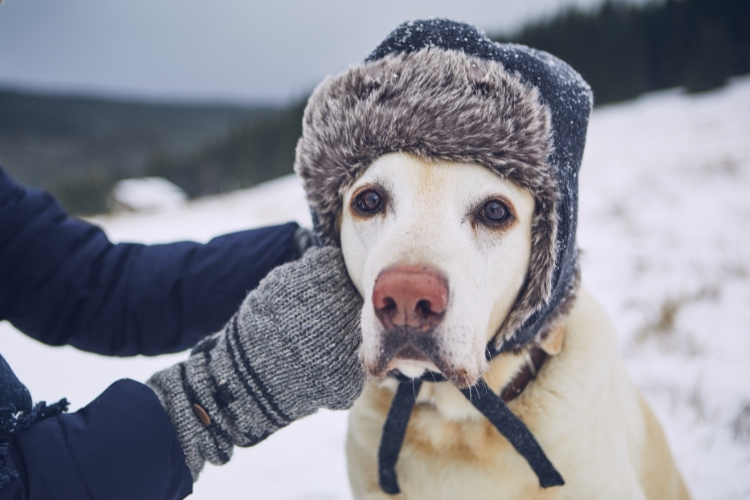
Just like us, pets need extra warmth during the colder months, especially those with thin fur or smaller body sizes. While many pets have their own fur coats, they still benefit from additional layers in cold weather.
Not only does layering help maintain your pet’s body temperature, but it also reduces the risk of frostbite and other cold-related injuries.
Indoor Comfort
When it comes to indoor care, ensuring that your home is a warm, cozy environment for your pet is equally essential. Dr. Liff notes that colder indoor temperatures can also affect pets, particularly those with short coats or smaller breeds.
“Create a designated warm space for your pet where they can rest comfortably indoors,” she advises. This could include soft bedding, blankets, or heated pads designed for pets. If your pet spends a lot of time on the floor, consider using a pet bed with insulation to help keep them off the cold surface.
Regular grooming also helps keep your pet comfortable in winter. Keeping their coat clean and trimmed prevents matting, which can trap moisture and lead to discomfort.
Watch for Winter Health Risks
Dr. Liff also highlights several common health risks for pets during winter, including frostbite, dehydration, and respiratory infections. It’s important to monitor your pet’s health closely and schedule regular check-ups with a trusted veterinarian to ensure they stay in top condition.
Dr. Liff’s Winter Pet Care Advice Featured in W42ST
Dr. Liff’s expert insights on winter pet care have been featured in W42ST, a hyperlocal media brand covering the Hell’s Kitchen neighborhood. As part of her ongoing efforts to support pet owners, Dr. Liff shares valuable tips to help ensure pets thrive throughout the winter, especially for urban dwellers who face unique challenges such as exposure to cold and wet conditions and the dangers of salt and chemicals on the streets.
Her guidance not only helps prevent common winter pet issues but also provides pet owners with practical advice to keep their pets safe and comfortable during the colder months.
Keep Your Pets Safe This Winter
Winter is a season that requires extra care for your pets, especially in bustling cities like New York. By following Dr. Stephanie Liff’s advice, you can ensure that your furry friends stay safe and healthy despite the cold weather. From protecting their paws to keeping them warm and cozy indoors, these simple steps can make a world of difference in maintaining your pet’s comfort and well-being.
If you’re looking for personalized advice or need help with winter pet care, visit Pure Paws Veterinary Care for expert guidance from a trusted veterinarian.
FAQs
Q1. How can I protect my pet’s paws from salt and snow?
Ans. Regularly clean your pet’s paws after walks, and use paw balms or booties to protect them from salt, snow, and grit.
Q2. What should I do if my pet is shivering outside?
Ans. If your pet is shivering, they may be too cold. Bring them inside immediately, and consider using a coat or sweater for warmth during future walks.
Q3. Is it safe to let my pet play in the snow?
Ans. While snow can be fun, ensure your pet is protected from the cold and wet conditions. Use boots and check their paws regularly for any injuries or irritation.
Q4. How can I keep my pet warm indoors?
Ans. Create a warm resting area with insulated bedding, blankets, or heated pads to keep your pet comfortable indoors during the winter months.
Q5. How often should I groom my pet during winter?
Ans. Regular grooming is essential to prevent matting and maintain a healthy coat. It also helps keep your pet warm and ensures their skin stays healthy during the colder months.