As a cat owner, you may wonder how your veterinarian can identify health issues that are not immediately obvious. Lab testing is an essential tool for detecting hidden health problems before they develop into serious concerns. Whether you are bringing your cat in for a regular checkup or investigating unusual symptoms, lab tests offer helpful information about your cat’s overall health and well-being.
The Role of Lab Testing in Cat Health
Lab tests are crucial for modern cat nutrition and overall health care. Cats tend to hide their symptoms, so regular vet visits with lab work are essential for spotting hidden health issues. Detecting problems early helps prevent severe health conditions and allows your vet to treat them when they are still manageable.
In New York, where environmental stressors and urban living can sometimes worsen health issues, lab testing is especially beneficial. Lab tests provide your vet with a detailed view of your cat’s internal health that can’t be seen through visual inspection alone.
Types of Cat Lab Tests
Various lab tests can help identify hidden health problems in your cat. The most frequent tests are blood work, urinalysis, and fecal exams, each focusing on different health indicators.
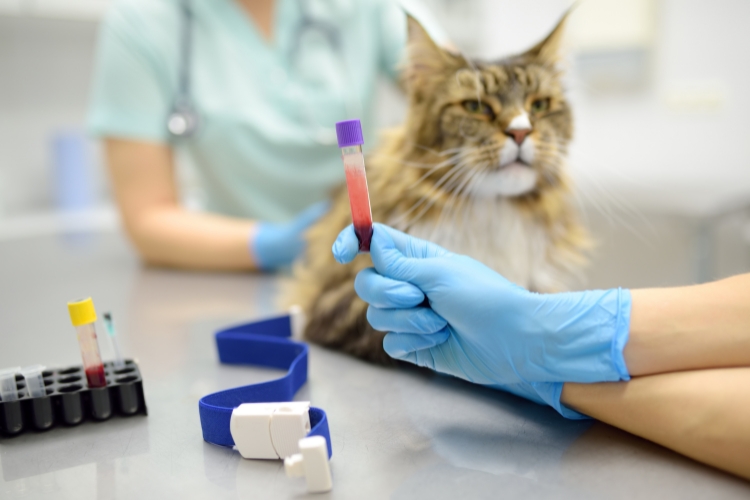
- Blood Work: Blood tests provide a clear overview of your cat’s organ health, helping measure blood cell levels and detect conditions such as anemia or infections.
- Urinalysis: A urine test is used to assess your cat’s kidney function and check for conditions such as urinary tract infections (UTIs), diabetes, or kidney disease.
- Fecal Exam: Fecal tests help detect intestinal parasites, such as worms or protozoa, that may be affecting your cat’s digestive health.
Blood Work for Early Disease Detection
Blood tests are often the first step in diagnosing underlying health issues in cats. Vets use blood work to assess many aspects of a cat’s health, such as:
- Organ Function: Blood tests help detect early signs of kidney problems or liver damage before your cat shows any visible symptoms.
- Thyroid Health: Thyroid problems, common in older cats, especially hyperthyroidism, lead to increased metabolism, causing weight loss, restlessness, and heart issues.
- Blood Cell Counts: Low red blood cell counts may indicate anemia, whereas elevated white blood cell counts could signal an infection. These findings offer important insights for subsequent diagnostic procedures.
Blood tests can detect diseases that might otherwise go unnoticed, enabling early intervention and more effective treatment.
Urinalysis and Kidney Health
Urinary issues are common in cats, and a urinalysis is valuable for early detection. In New York, where air quality occasionally worsens respiratory and urinary problems, regular urinalysis can help identify issues like:
- Kidney Disease: Kidney problems are common in older cats and can be detected through urinalysis. High protein levels or abnormal specific gravity readings often indicate kidney dysfunction.
- Diabetes: Cats with diabetes may show elevated glucose levels in their urine, which can be detected through a urinalysis.
- Urinary Tract Infections (UTIs): If your cat is experiencing discomfort while urinating, a urinalysis can help identify bacterial infections, which can then be treated with antibiotics.
Fecal Testing for Parasites
Parasites are a common health concern that often goes unnoticed without proper testing. Cats, particularly those outdoors or in urban areas, are susceptible to various intestinal parasites. A fecal test helps identify:
- Intestinal Worms: Roundworms, hookworms, and tapeworms are common in cats and can cause gastrointestinal distress and other health issues.
- Protozoa: Protozoa like Giardia and Coccidia can cause digestive upset, and fecal testing can confirm their presence.
- Infections: Fecal tests can also reveal bacterial infections that might affect your cat’s digestive system.
Monitoring Long-Term Health with Lab Tests
Lab tests aren’t just for diagnosing immediate health issues—they also play a key role in monitoring your cat’s health over time. For cats with chronic conditions like kidney disease, diabetes, or hyperthyroidism, routine lab tests are essential for tracking their progress and adjusting treatments as needed.
For example:
- Kidney Disease: Regular blood tests and urinalysis help monitor kidney health in cats with kidney disease, ensuring the treatment plan is preventing the condition from worsening.
- Thyroid Imbalances: Cats on medication for hyperthyroidism need regular blood tests to ensure their thyroid levels remain within a healthy range.
- Diabetes: Blood glucose tests are vital for managing diabetes in cats, ensuring their insulin levels are appropriate and their condition is under control.
By consistently using cat lab testing, you can track your cat’s health, prevent complications, and make necessary adjustments to their treatment.
The Importance of Routine Cat Lab Testing
Routine cat lab testing is an essential tool for detecting hidden health issues early and ensuring your cat remains in optimal health. From blood work to fecal exams, these tests provide valuable insights that can’t be obtained through visual exams alone.
If you’re in New York and want to give your cat the best care possible, Pure Paws Veterinary Care is here to help. Schedule a wellness visit and lab test today to ensure your cat stays healthy and happy for years to come.
FAQs
Q1. What types of lab tests are common for cats?
Ans. Common laboratory tests involve blood work, urinalysis, and fecal examinations. They are used to identify conditions such as kidney disease, infections, and parasites.
Q2. How often should I schedule lab tests for my cat?
Ans. For healthy adult cats, lab tests should be performed annually during wellness visits. Older cats or those with health conditions might need testing more often.
Q3. Can lab tests detect kidney disease in cats?
Ans. Yes, lab tests such as blood work and urinalysis can detect early signs of kidney disease, including changes in kidney function and protein levels.
Q4. What do blood tests for cats measure?
Ans. Blood tests measure factors like organ function, red and white blood cell counts, and thyroid health, providing insights into your cat’s overall well-being.
Q5. Are fecal exams necessary for indoor cats?
Ans. Indoor cats can still acquire intestinal parasites through contaminated food or water, or by contact with contaminated objects. Fecal examinations are crucial for identifying any hidden infections.