If your cat is scheduled for surgery in New York, knowing how to prepare them for anesthesia is crucial. Anesthesia is frequently used in feline procedures, ranging from routine spays and neuters to more complex surgeries. As a pet owner in New York, you want to ensure your feline friend receives the best care, starting with proper preparation for anesthesia. Here’s what you need to know to guarantee a smooth experience for your cat.
What Is Cat Anesthesia?
Cat anesthesia is a state of medication-induced unconsciousness in which your cat is made unconscious for procedures, preventing pain and discomfort. It’s common in veterinary surgeries, enabling safe procedures without distress. Anesthesia uses medications to induce unconsciousness, relax muscles, and relieve pain. At Pure Paws Veterinary Care, we monitor your cat closely to ensure safety.
Preparing Your Cat for Anesthesia
When preparing your cat for anesthesia, follow these key steps to make the process as safe and stress-free as possible. By taking these steps, you can help ensure your cat’s comfort and safety before, during, and after the procedure.
Fasting Instructions
Your veterinarian will give you specific fasting instructions before anesthesia. Usually, cats should refrain from eating or drinking for 12 hours before the procedure. This practice reduces the risk of vomiting and aspiration during surgery. It’s essential to follow these instructions closely to ensure your cat’s safety.
Health Check
Before administering anesthesia, your veterinarian will perform a physical exam and might suggest blood tests to evaluate your cat’s health. This is particularly important for older cats or those with pre-existing conditions, as some health issues can affect anesthesia safety.
Medication and Supplements
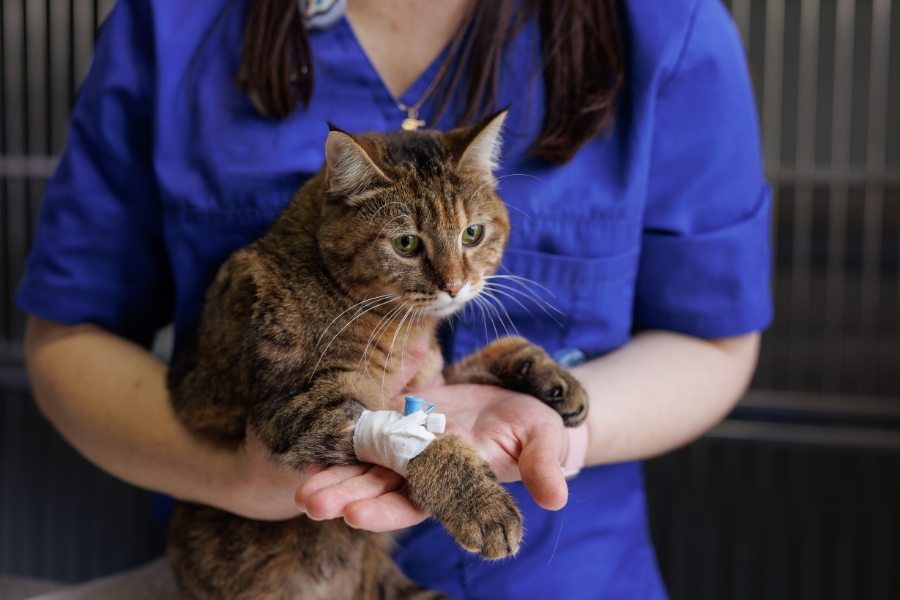
If your cat is taking any medication or supplements, consult your veterinarian beforehand. Certain medications can affect anesthesia, so your vet might modify the treatment plan to keep your cat safe.
The Anesthesia Process
Once your cat arrives at the clinic, they will be carefully monitored by the veterinary team throughout the anesthesia process. Here’s a step-by-step breakdown of what happens:
- Pre-anesthesia medication: Your cat will receive a sedative to help them relax before anesthesia.
- Induction: A small needle or mask will administer the anesthesia, causing your cat to fall asleep.
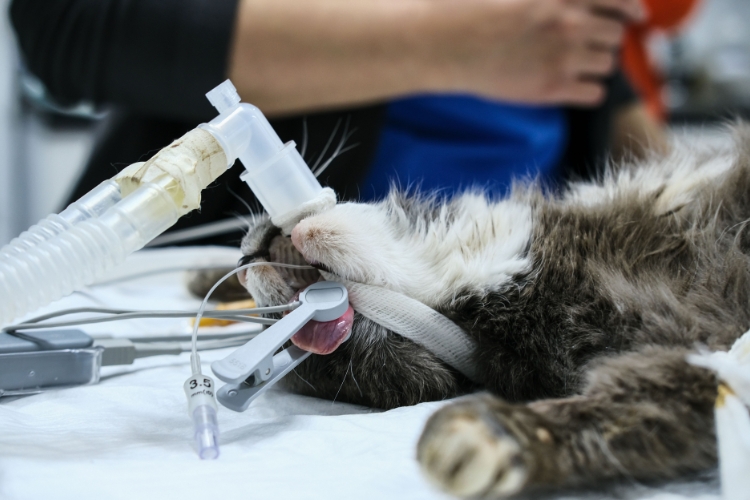
- Intubation: In some cases, your cat may be intubated to ensure their airway remains open during the procedure.
- Monitoring: Throughout the surgery, your cat’s vital signs—including heart rate, blood pressure, and oxygen levels—will be continuously monitored to ensure their safety.
- Recovery: After the procedure, your cat will be monitored as they wake from anesthesia, which wears off gradually and may leave them groggy.
Breed-Specific Considerations
Abyssinians are prone to dental issues and renal amyloidosis, so extra care is taken during anesthesia. “We always ensure they are thoroughly assessed, as their health conditions require careful monitoring,” says Dr. Liff.
Persians are known for their brachycephalic airway issues. Dr. Kurtzman explains, “For Persians, airway management is crucial during anesthesia to avoid complications due to their facial structure.”
What to Expect After Surgery
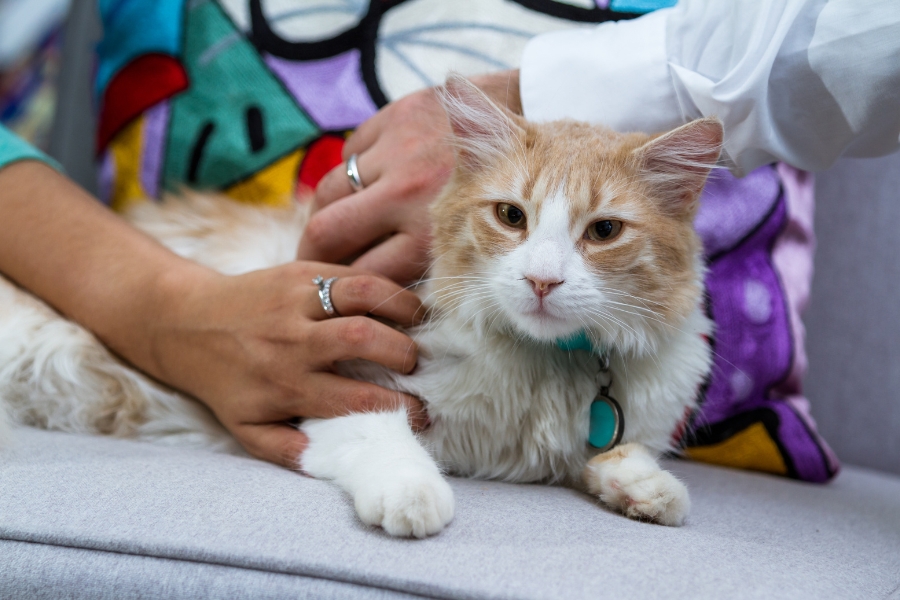
After the procedure, your cat may appear disoriented as the anesthesia wears off. Some cats may experience mild side effects, such as grogginess, dizziness, or loss of appetite, which typically resolve within a few hours. Keeping your cat in a quiet, comfortable environment is crucial for a smooth recovery.
Post-operative care: Follow your veterinarian’s aftercare instructions carefully, including administering any prescribed medications and watching for signs of infection or complications.
Watch for signs of discomfort: If your cat seems excessively lethargic or in pain, contact your veterinarian immediately.
Why Choose Pure Paws for Your Cat’s Surgery?
At Pure Paws Veterinary Care, we prioritize your cat’s health and well-being throughout their surgical procedure. Our team of compassionate veterinarians and technicians uses the latest in anesthesia and surgical techniques to ensure your cat’s safety. From pre-surgical health assessments to post-operative care, we make sure every step is tailored to your cat’s needs. Whether you’re in the heart of New York or nearby areas, we’re here to provide the best care possible for your furry companion.
Preparing Your Cat for a Safe and Smooth Surgery
Getting your cat ready for anesthesia is essential for a safe surgical process. Adhering to your veterinarian’s guidelines and understanding the procedure can help ensure a smooth, safe surgery for your cat.
At Pure Paws Veterinary Care, we are dedicated to providing top-quality care for your cat before, during, and after anesthesia. If you have any questions or concerns, don’t hesitate to contact us. We’re here to help your cat have a safe and successful surgery.
FAQs
Q1. Can anesthesia cause side effects in my cat?
Ans. Most cats recover quickly from anesthesia, but some may experience mild side effects like grogginess, dizziness, or loss of appetite, which should subside within hours.
Q2. How can I tell if my cat is in pain after surgery?
Ans. Signs of pain in cats include excessive meowing, restlessness, limping, or refusing to eat or drink. If you suspect your cat is in pain, contact your veterinarian.
Q3. Is anesthesia safe for my cat?
Ans. Anesthesia is generally safe for most cats, especially when appropriately monitored and with appropriate health assessments. Your veterinarian will ensure that the anesthesia is suitable for your cat’s health and needs.
Q4. How do I know if my cat is healthy enough for anesthesia?
Ans. A health check and possibly blood tests before the procedure will help determine if your cat is healthy enough for anesthesia.
Q5. What type of surgery requires anesthesia for my cat?
Ans. Standard procedures requiring anesthesia include spays, neuters, dental cleanings, and more complex surgeries like tumor removal or joint repairs.