As a cat owner, you want to ensure your furry friend lives a long and healthy life. Staying up to date with regular preventive care is one of the most effective ways to achieve this. Routine health examinations are essential for catching potential issues early and preventing more serious problems later. Let’s explore the key annual health checks that every cat needs to stay in good health.
What is Cat Preventive Care?
Preventive care for cats involves actively taking steps to keep your cat healthy and to catch potential problems early. Regular visits to the veterinarian, vaccinations, and health screenings are all crucial parts of this care. In New York, where the weather can change quickly, it’s essential to ensure your cat is ready to handle temperature fluctuations and urban hazards. Staying on top of your cat’s health helps ensure your cat stays happy and healthy.
Annual Veterinary Checkups
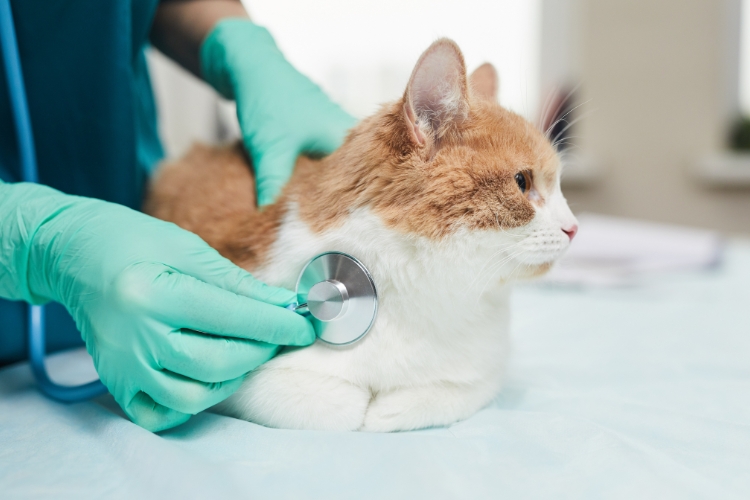
The most critical part of cat preventative care is taking your cat to the veterinarian for an annual checkup. Even if your cat looks and behaves well, these routine exams are crucial for catching potential issues early and ensuring your feline friend stays healthy. Your veterinarian will conduct a thorough examination to check your cat, including:
- Physical exam: Checking vital signs and body condition
- Dental health: Looking for signs of gum disease or dental issues
- Weight check: Monitoring for any significant changes that might indicate health problems
Regular checkups also allow your vet to establish a baseline for your cat’s health, which helps compare your cat’s health in future visits.
Vaccinations and Parasite Prevention
Vaccinations play an essential role in protecting your cat’s health. Depending on your cat’s lifestyle, they may need different vaccines. Cats in the New York area are commonly at risk for diseases such as feline distemper, calicivirus, and rabies. If your cat spends time outside, additional vaccines for feline leukemia might also be recommended.
Parasite prevention is crucial because fleas, ticks, and worms can harm your cat’s health, so creating a comprehensive plan is essential. Your vet may recommend treatments such as:
- Flea and tick prevention: Topical or oral medications to prevent infestations
- Deworming: Protecting your cat from internal parasites like roundworms and tapeworms
- Heartworm prevention: Especially important for outdoor cats
Dental Health
Cats are prone to dental problems, as they are among the most common health issues in felines. Pain, tooth loss, and serious health issues can result from neglect. Regular annual dental checkups can help detect these dental problems early.
Your vet will check for signs of:
- Tartar buildup: The layer that can lead to tooth decay.
- Gum disease: Inflammation or infection of the gums
- Bad breath: A sign of infection or poor oral hygiene
Dental care for your cat can include professional teeth cleanings. Your vet might also recommend at-home oral care, such as special dental diets or treats.
Blood Work and Wellness Screening
As cats age, they become more prone to kidney disease, diabetes, and thyroid issues, which require increased preventive care. Annual blood tests help catch these early. Routine screenings, including blood tests and urine samples, can help detect problems such as:
- Kidney disease: Cats are at risk of chronic kidney disease, especially as they get older.
- Diabetes: Symptoms such as excessive thirst or increased urination may indicate this condition.
- Hyperthyroidism: A common problem in older cats that can affect their metabolism.
Eye and Ear Health
While cats are known for grooming themselves carefully, their eyes and ears still need regular attention, and your vet can help check for signs of irritation, infection, or conditions like conjunctivitis or cataracts in your cat’s eyes, and also for common ear infections, especially in cats with allergies or long fur.
Common symptoms of ear problems include:
- Head shaking
- Excessive scratching at the ears
- Discharge or odor
Maintaining a Healthy Weight
Obesity is a growing concern among cats, especially in cities like New York, where indoor living can limit activity. It can lead to health issues such as diabetes, joint problems, and heart disease. Regular checkups as part of cat preventative care provide a good opportunity for your veterinarian to monitor your cat’s weight and give advice on keeping it healthy.
Your vet may provide recommendations such as:
- Adjusting portion sizes: Giving your cat the right amount of food
- Increased exercise: Encouraging more active play
- Specialized diets: A special diet can help them reach a healthier weight
Prioritize Your Cat’s Health
Regular health checks help keep your cat happy and active for years. Cat preventative care helps detect issues early and gives your cat the best chance for a long, healthy life.
If you’re looking for reliable and compassionate care for your feline friend, Pure Paws Veterinary Care in New York offers comprehensive preventative care tailored to meet the needs of your cat.
FAQs
Q1. How often should I take my cat for a checkup?
Ans. It’s recommended to take your cat for an annual checkup, even if they seem healthy. Regular exams help detect health issues early.
Q2. What vaccinations do indoor cats need?
Ans. Indoor cats need vaccines for rabies, feline distemper, and calicivirus. Discuss with your vet whether additional vaccines are necessary.
Q3. What is the best way to prevent dental disease in cats?
Ans. Regular dental checkups, professional cleanings, and at-home dental care, such as dental treats or special diets, are key to preventing dental disease.
Q4. How do I know if my cat is overweight?
Ans. Your vet can assess your cat’s weight and body condition. Signs of obesity include a lack of a waistline and difficulty feeling the ribs.
Q5. What are the signs of ear infections in cats?
Ans. Head shaking, ear scratching, and discharge or odor are common signs of ear infections in cats.