A wagging tail or a gentle purr might be your pet’s favorite way to greet you, but what about their smile? We often admire those adorable canine grins or feline smirks, yet few pet owners think twice about what’s behind those pearly whites—until a problem arises. While fresh breath is a bonus, pet dental hygiene plays a vital role in their overall well-being.
It’s time to explore why brushing up on your pet’s oral care routine is one of the best health decisions you can make.
1. Beyond the Breath: The Silent Signs of Dental Disease
Let’s face it—bad breath is unpleasant. But in pets, it’s often more than just a stinky issue; it’s an early warning sign. Periodontal disease, one of the most common conditions in pets, can creep in quietly and progress rapidly.
Symptoms like inflamed gums, bleeding, tartar buildup, and even tooth loss can go unnoticed until they cause pain or behavioral changes. And by then, the damage is often advanced.
Key takeaway: Regular dental care helps you catch and prevent issues before they turn into painful—and costly—conditions.
2. The Domino Effect: How Oral Health Impacts the Whole Body
Here’s where things get serious. Neglected oral hygiene doesn’t just stay in the mouth. The bacteria from untreated dental disease can enter the bloodstream, potentially affecting major organs like the heart, kidneys, and liver.
Yes, a dirty mouth can lead to dangerous systemic illnesses.
This is one reason pet dentistry in New York and beyond has become a crucial part of veterinary wellness programs. Prevention starts in the mouth but protects the whole body.
3. Daily Defense: Simple Steps to Keep Teeth Clean
While professional cleanings are important, the best defense against dental issues begins at home. Here’s how you can make dental care a habit without turning it into a struggle:
- Brush those chompers: Use pet-safe toothpaste and start slow.
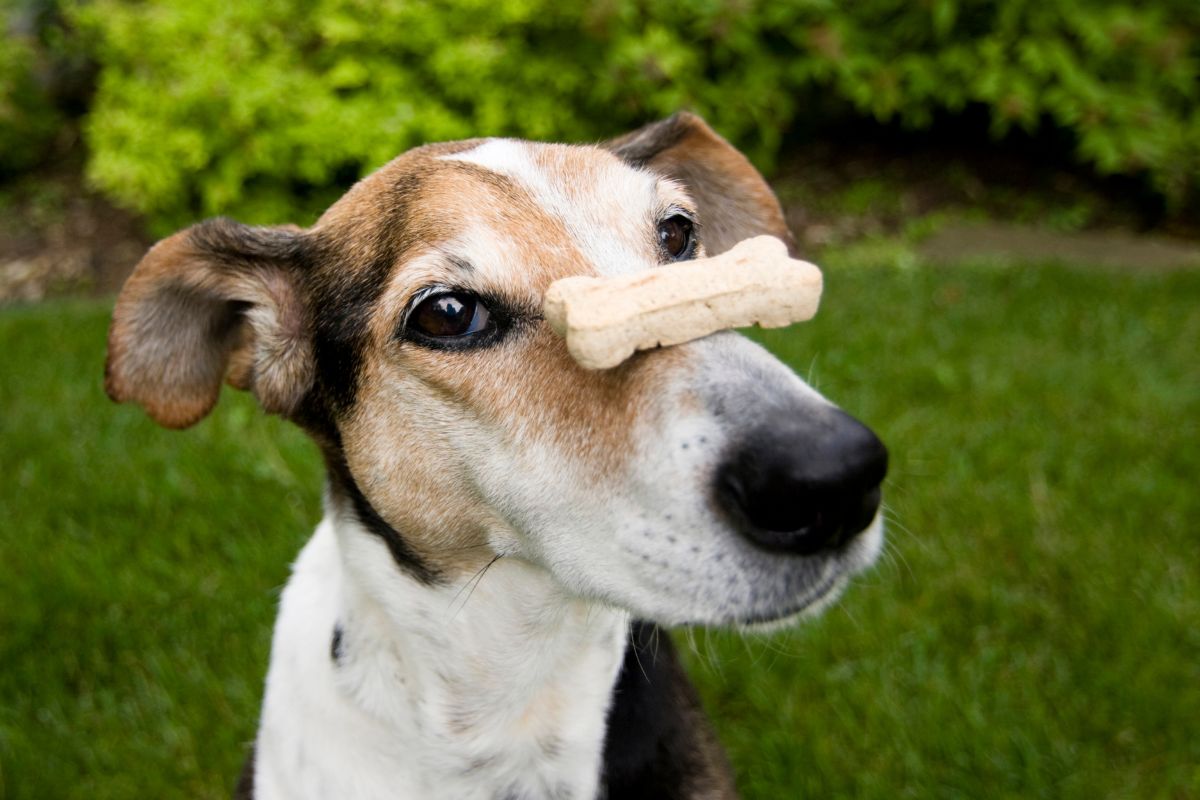
- Dental treats & toys: Designed to reduce plaque while giving your pet a fun challenge.
- Water additives: These can help control bacteria without extra effort.
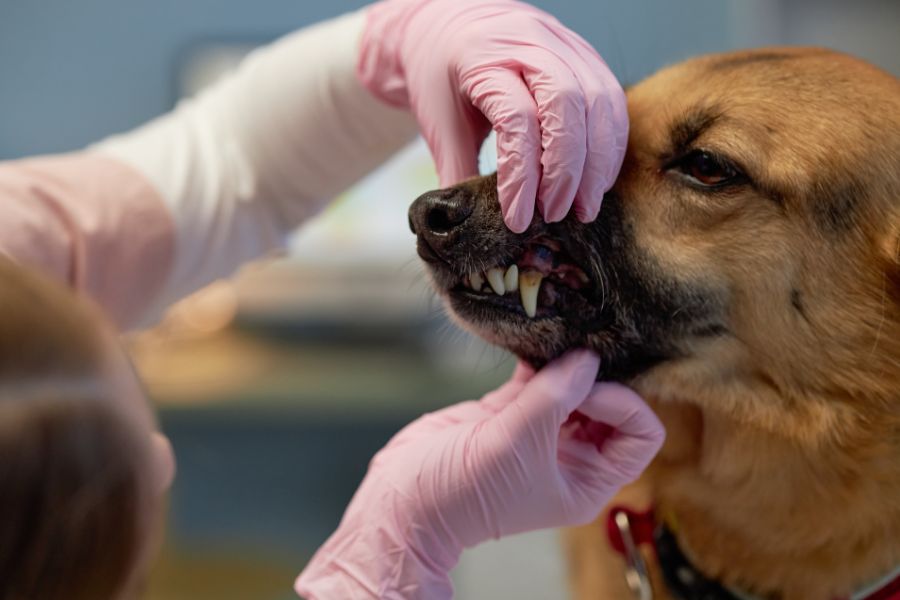
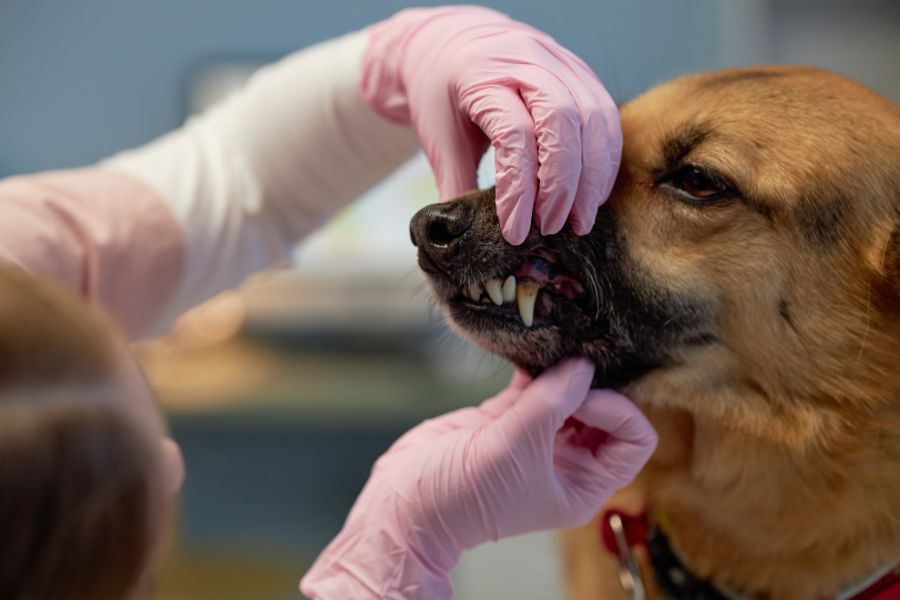
- Routine checks: Lift their lips and look for redness, swelling, or bad odor weekly.
Pro tip: Start dental care early in your pet’s life so they get used to the process.
4. Vet Visits That Count: The Power of Professional Cleanings
Even the most diligent pet parent needs backup. That’s where your veterinarian comes in. Regular dental exams and cleanings under anesthesia allow the vet to inspect below the gumline, where most problems hide.
Professional dental procedures may include:
- Scaling and polishing
- Tooth extraction (if needed)
- X-rays to detect hidden damage
These services not only improve oral health but also extend your pet’s life by preventing disease at its source.
5. Myths vs. Facts: What You’ve Heard vs. What’s True
Let’s bust a few common pet dental myths:
- “Dry food cleans teeth.”
Not really. Crunchy kibble may help slightly, but it doesn’t replace brushing. - “Pets don’t need dental care like humans.”
They need it just as much, possibly more, since they can’t tell you when something hurts. - “If my pet eats well, their teeth must be fine.”
Many pets eat despite severe dental disease. Eating doesn’t equal oral health.
6. The Gift of a Healthy Smile
Investing in your pet’s dental care is more than just a cosmetic fix—it’s a long-term commitment to their happiness and health. A healthy mouth means a happier pet, fewer medical emergencies, and more tail wags or contented purrs for years to come.
Whether you’re brushing at home, choosing dental-friendly treats, or booking your next vet visit, remember: a clean mouth is a clear path to overall wellness.
Your pet’s smile does more than melt your heart—it reveals their health. Prioritizing dental hygiene isn’t just about fresh breath; it’s a key step in giving your furry friend a longer, healthier life. So grab that toothbrush, book that check-up, and keep those pearly whites shining.
Because when it comes to pet care, every tooth tells a story.
Frequently Asked Questions
1. How often should I brush my pet’s teeth?
A: Ideally, aim for daily brushing, but even a few times a week can make a difference. Use a toothbrush and toothpaste designed specifically for pets.
2. What are the signs of dental problems in pets?
A: Look out for bad breath, red or bleeding gums, visible tartar, drooling, pawing at the mouth, or reluctance to eat. These could indicate oral pain or infection.
3. Are professional cleanings under anesthesia safe?
A: Yes, when performed by a veterinarian. Pre-anesthetic testing is usually done to ensure your pet is fit for the procedure. The benefits far outweigh the risks in most cases.
4. Can dental treats replace brushing?
A: No, treats and toys can complement dental care, but don’t replace brushing or professional cleanings.
5. At what age should dental care start for pets?
A: Start as early as possible—puppyhood or kittenhood—so your pet gets used to it. Early introduction makes dental care easier and more effective in the long run.