Just like humans, pets need proper dental care to live healthy, happy lives. It’s a real shame that a lot of pet owners tend to ignore the importance of dental care for their furry friends until things get really bad.
Pet dentistry is more than just fresh breath—it’s a critical component of preventive health and a powerful ally in detecting diseases early through pet diagnostic care.
Let’s explore why taking care of your furry friend’s teeth is not just important—but essential.
The Basics: What Is Pet Dentistry?
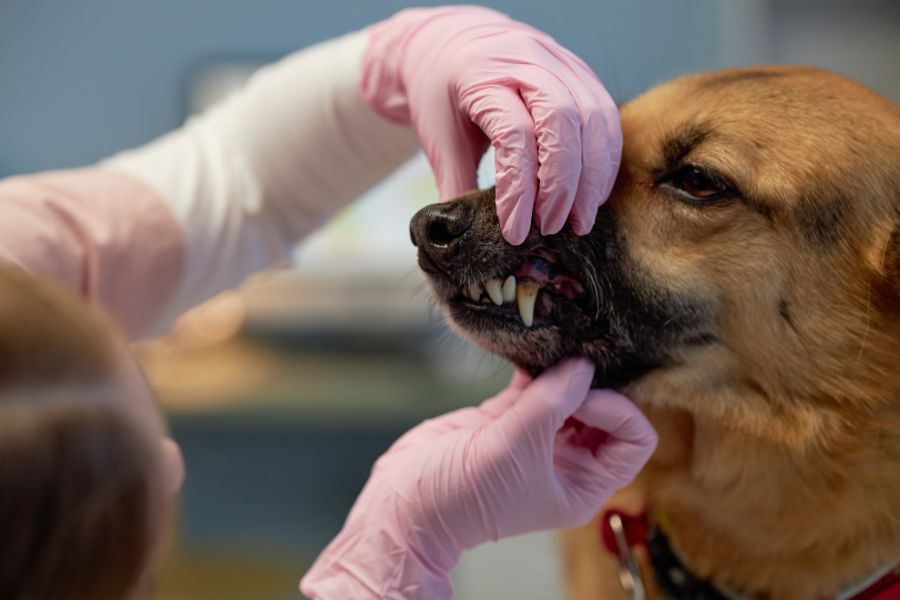
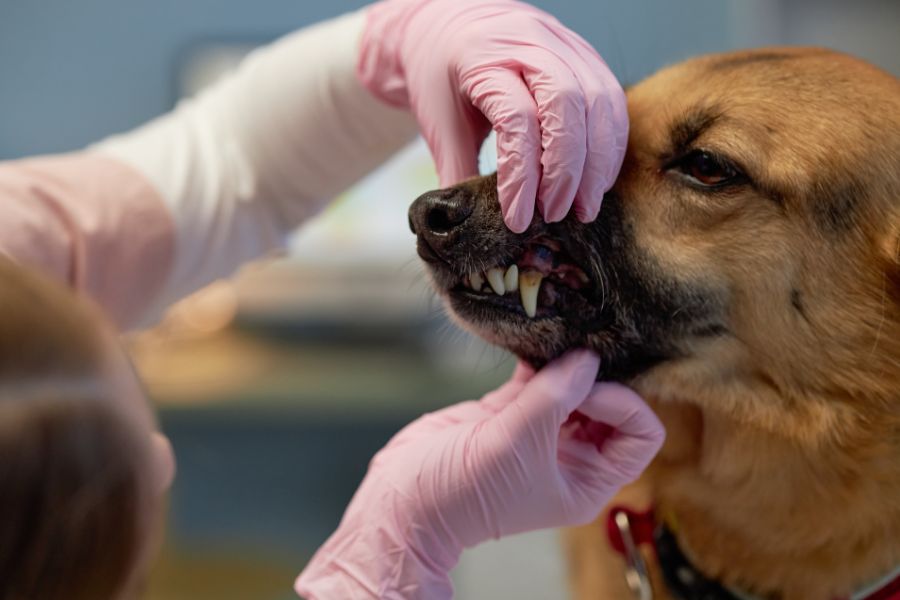
Pet dentistry involves the cleaning, examination, and treatment of your pet’s teeth, gums, and oral structures. It includes everything from routine cleanings and X-rays to extractions and treatment of oral diseases. Just like with people, tartar build-up, gingivitis, and periodontal disease are common problems in pets that require professional attention.
Why Oral Health Impacts Overall Wellness
You might be surprised to learn how deeply oral health connects to your pet’s internal systems. Bacteria from untreated dental problems can enter the bloodstream, leading to complications in the heart, liver, and kidneys.
This is where pet diagnostic care plays a pivotal role. Comprehensive check-ups can detect infections and systemic issues triggered by poor oral hygiene. When oral problems go unnoticed, they often escalate into painful and costly health emergencies.
Signs Your Pet Needs Dental Attention
Understanding the warning signs can save your pet from unnecessary discomfort. Look out for the following symptoms:
- Bad breath
- Difficulty eating or chewing
- Excessive drooling
- Bleeding gums
- Loose or missing teeth
- Swelling around the mouth
If you notice any of these signs, it’s time to schedule a dental check-up and possibly a full pet diagnostic care evaluation.
Preventive Dental Care: Your First Line of Defense
The best way to protect your pet’s teeth is through prevention. Here’s how:
- Brush regularly: Use pet-safe toothpaste and brushes.
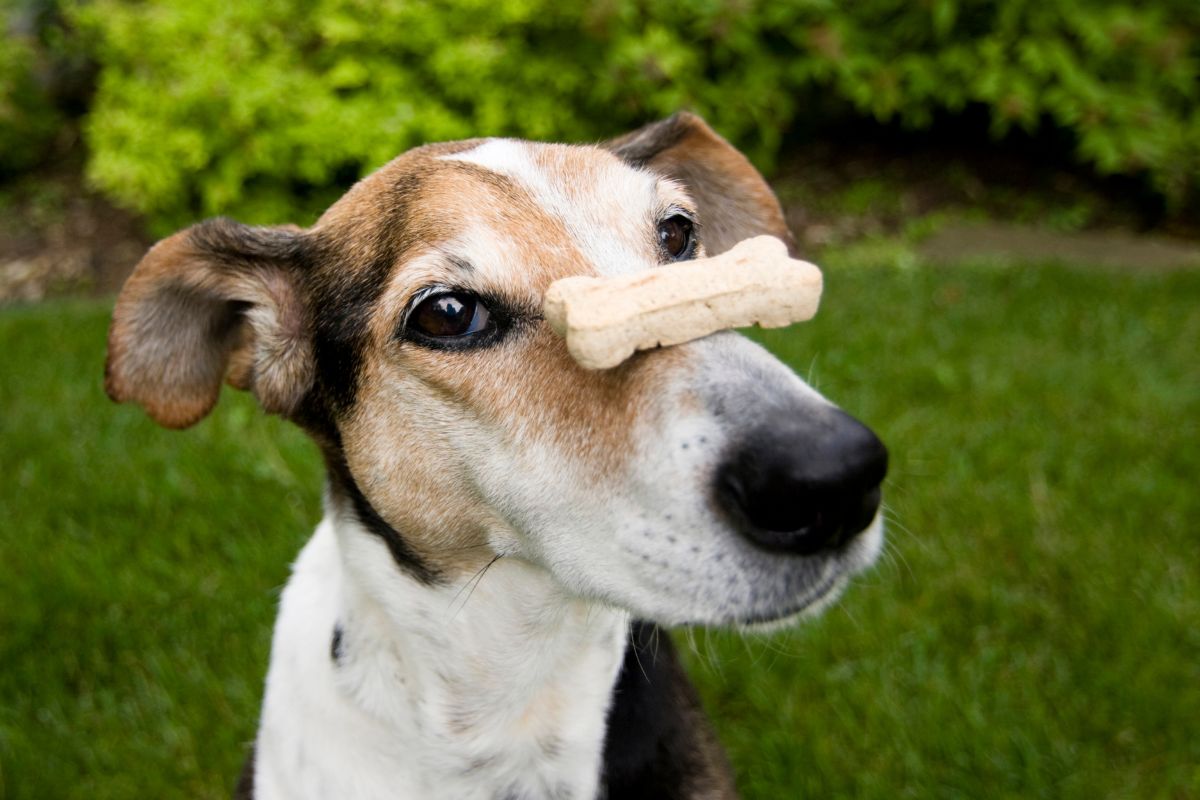
- Dental treats: Provide veterinarian-approved dental chews.
- Make sure to book professional cleanings at least once a year for a thorough refresh.
- Diet: Choose food that promotes dental health.
- Regular check-ups: Make diagnostic screenings a routine.
Adopting these habits not only boosts your pet’s oral health but also significantly improves their overall quality of life.
Prevention is less stressful, less expensive, and far more effective than treatment.
Common Dental Procedures for Pets
While each pet’s dental needs are unique, these are some typical procedures:
- Scaling and polishing: Removes plaque and tartar buildup.
- Tooth extractions: For decayed or damaged teeth.
- X-rays: Identify hidden issues beneath the gum line.
- Oral surgery: Required for more advanced problems.
- Antibiotics: To treat infection or inflammation.
By incorporating these habits, you’re not just taking care of your pet’s teeth; you’re also enhancing their overall well-being.
By incorporating regular dental hygiene and leveraging pet diagnostic care, you can ensure your pet enjoys a healthier, happier life.
Take the next step today—schedule a dental check-up for your furry companion and ask your vet how diagnostics can provide even more peace of mind.
FAQs About Pet Dentistry
1. How often should my pet get a dental cleaning?
A: Veterinarians recommend annual cleanings. However, pets with existing dental issues may need more frequent visits.
2. Is anesthesia safe for my pet during dental procedures?
A: Yes, modern veterinary anesthesia is safe and closely monitored. It’s essential for thorough cleaning and pain-free treatment.
3. Can dental disease affect my pet’s organs?
A: Absolutely. Bacteria from dental infections can travel to the heart, liver, and kidneys, causing serious health problems.
4. Are dental chews enough to keep my pet’s teeth clean?
A: Dental chews help, but they’re not a substitute for brushing or professional cleanings. Use them as part of a broader dental care routine.
5. Can I use human toothpaste on my pet?
A: No, human toothpaste can be toxic to pets. Always use a pet-safe formula recommended by your vet.