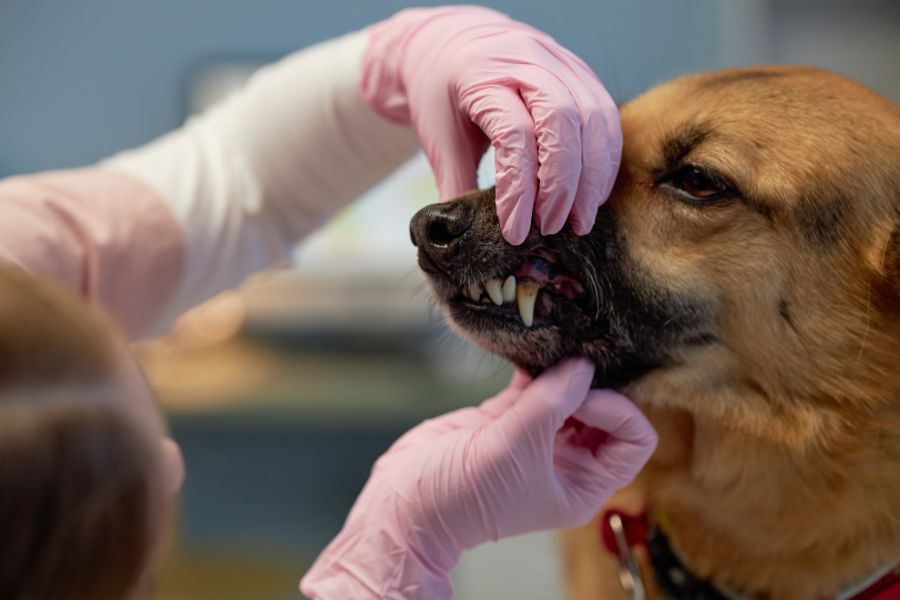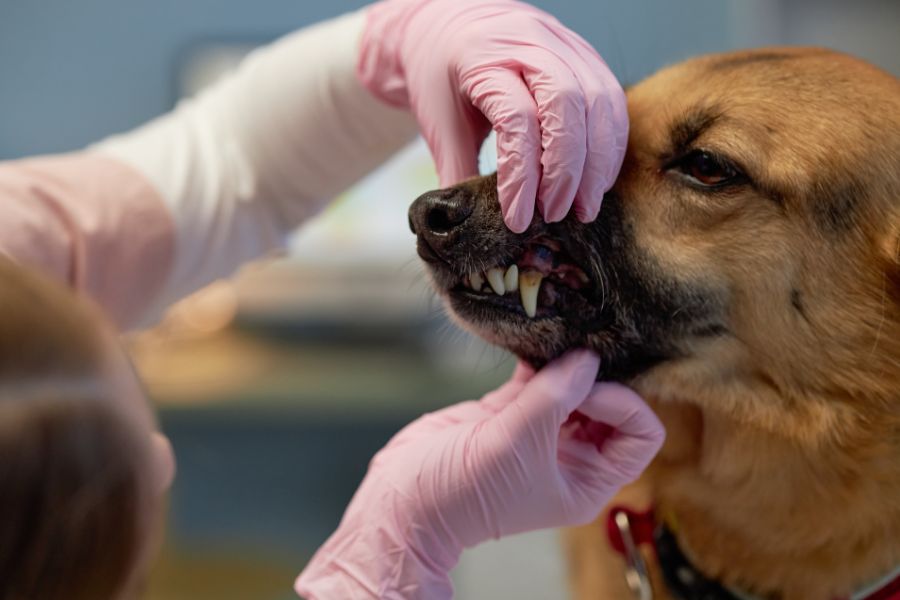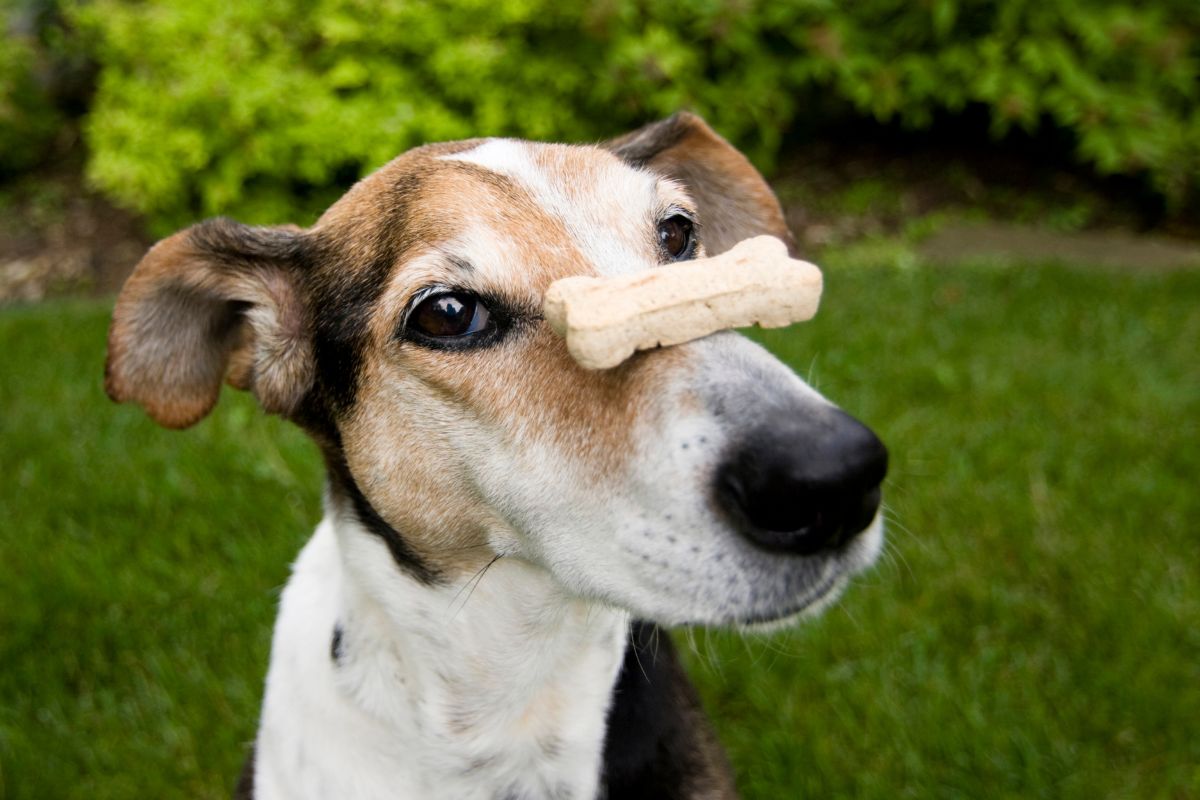
We love our furry friends; their pearly whites are a big part of their charm. But keeping those teeth clean can be a challenge. Enter dental treats, those enticing chews promising to combat plaque and tartar. But do they work, or are they just another marketing ploy? Let’s chew on the facts.
The premise behind dental treats is simple: the abrasive texture helps scrape away plaque and tartar as your pet chews. Some treats also incorporate ingredients like enzymes or chemical compounds designed to inhibit bacterial growth, further promoting oral hygiene.
However, the efficacy of dental treatments varies significantly. Not all treats are created equal. Size, shape, texture, and ingredients are crucial in their effectiveness.
What to Look For in Dental Treats?
- Veterinary Oral Health Council (VOHC) Seal: This seal indicates that the product has undergone rigorous testing and has been proven to reduce plaque and tartar accumulation. It’s a key indicator of a treat’s reliability.
- Abrasive Texture: Look for treats with a firm, chewy texture that encourages prolonged chewing. This mechanical action is vital for scraping away debris.
- Appropriate Size and Shape: The treat should suit your pet’s breed and chewing style. If it is too small, your pet might swallow it whole, negating dental benefits. Too large, and your pet might lose interest.
- Ingredient List: Look for ingredients that promote oral health, such as enzymes, chlorhexidine, or sodium hexametaphosphate. Avoid treats loaded with sugar or artificial colors.
The Limitations in Dental Treats
While dental treats can be a helpful addition to your pet’s oral hygiene routine, they are not a substitute for professional dental cleanings or regular brushing. They primarily address plaque and tartar above the gum line, while professional cleanings can tackle issues beneath the gums.
Furthermore, some pets are not enthusiastic chewers, rendering the treats less effective. Others might have underlying dental issues that require professional intervention.
The Verdict: Do Dental Treats Really Work?
Dental treats can be a valuable tool in maintaining your pet’s oral health, but they are not a magic bullet. Think of them as a supplemental aid, not a standalone solution.
Incorporating Dental Treats Effectively:
- Use them in a comprehensive oral hygiene plan that includes regular brushing and professional cleanings.
- Choose treats with the VOHC seal of approval.
- Ensure the treat is appropriately sized for your pet.
- Monitor your pet while they are chewing.
- Consult with your veterinarian for recommendations tailored to your pet’s specific needs.
Ultimately, the best approach to your pet’s dental health is multifaceted. Regular veterinary check-ups, consistent brushing, and the strategic use of effective dental treats can contribute to a brighter, healthier smile.
We understand that your furry companion’s health is a top priority, and navigating the world of pet care can be overwhelming. You want the best for them, including a healthy, happy smile. If you’re still unsure about the proper dental care approach for your pet, or if you’re concerned about their oral health, please reach out to your veterinarian. They can provide personalized advice and guidance and help you create a dental care plan that fits your pet’s unique needs.
Don’t hesitate to take that step; a healthy, comfortable pet is a happy pet, and we’re here to help you achieve that. Discover Dr. Katie Wexler, DVM, a well-regarded veterinarian in Hell’s Kitchen, at our easily accessible NYC clinic.