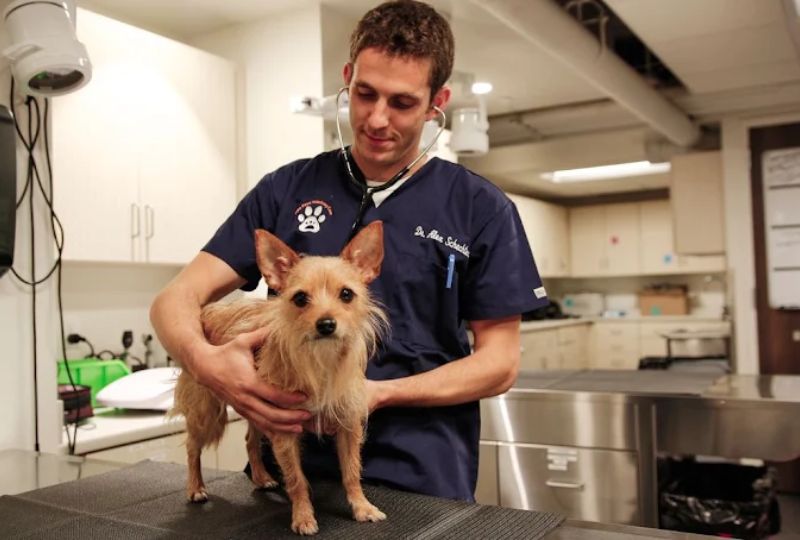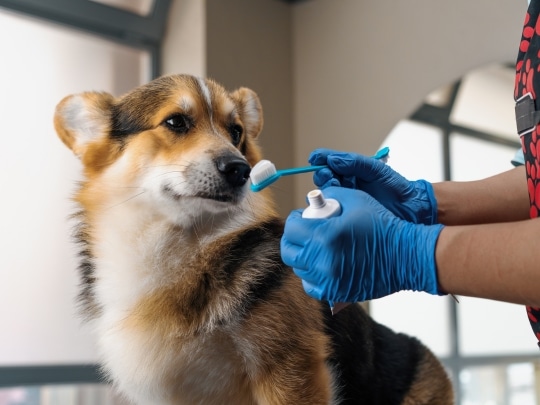
Every dog deserves a healthy, comfortable life, and oral health plays a much bigger role than many pet owners realize. While many people focus on nutrition, exercise, and vaccinations, maintaining healthy teeth and gums is equally important. A healthy mouth allows your dog to eat comfortably, play confidently, and avoid unnecessary pain caused by dental disease.
Dental problems often begin quietly. Plaque accumulates on the teeth, hardens into tartar, and eventually leads to inflamed gums and infection if left untreated. Unfortunately, many dogs hide signs of discomfort until the disease becomes advanced. As a result, routine dental evaluations become one of the most valuable investments you can make in your pet’s lifelong health.
Dog dental care should begin early and continue throughout every stage of your companion’s life. Whether you have a playful puppy, an energetic adult, or a gentle senior companion, preventive dental care supports overall wellness and helps avoid costly treatments later. This guide is designed specifically for pet families in New York who want to give their dogs the healthiest future possible.
Why Oral Health Is Essential for Overall Wellness
A dog’s mouth contains millions of bacteria. While many bacteria are harmless, excessive plaque buildup creates an environment where harmful bacteria thrive.
Without proper oral hygiene, bacteria can contribute to:
- Gum inflammation
- Tooth decay
- Loose teeth
- Chronic pain
- Bad breath
- Difficulty chewing
- Tooth loss
Even more concerning, bacteria from severe dental infections may enter the bloodstream. Once this occurs, important organs such as the heart, kidneys, and liver can be affected.
Because of these risks, maintaining oral health is about much more than keeping teeth clean.
Puppies Need a Healthy Start
Dental care begins much earlier than many owners expect.
Puppies start losing their baby teeth around three to four months of age. Their permanent teeth usually finish erupting by six to seven months.
During this stage, veterinarians monitor:
- Proper tooth eruption
- Retained baby teeth
- Bite alignment
- Jaw development
- Early signs of inflammation
Teaching puppies to accept gentle brushing also creates positive lifelong habits.
Simple daily handling of the mouth makes future cleanings significantly less stressful.
Adult Dogs Face Greater Dental Risks
As dogs mature, plaque begins accumulating faster than many owners notice.
Food particles combine with saliva and bacteria to form plaque. Within days, plaque hardens into tartar that cannot be removed through brushing alone.
This buildup often causes:
- Red gums
- Persistent bad breath
- Gum recession
- Pain while chewing
- Increased bacterial growth
Professional cleanings help remove hardened tartar from above and below the gumline where disease develops.
Regular examinations also identify small problems before they become expensive procedures.
Senior Dogs Need Even More Dental Attention
Older dogs frequently develop advanced periodontal disease.
Years of plaque accumulation may result in:
- Loose teeth
- Gum infections
- Tooth root abscesses
- Difficulty eating
- Weight loss
- Chronic inflammation
Many senior dogs simply slow down because chewing has become painful.
Owners sometimes mistake reduced appetite or decreased activity as normal aging when oral pain is actually responsible.
Routine veterinary dental evaluations greatly improve comfort for aging companions.
Common Signs of Dental Disease
Dogs rarely cry out when their mouths hurt.
Instead, they often display subtle behavioral changes.
Watch for signs such as:
- Persistent bad breath
- Yellow or brown tartar
- Swollen gums
- Bleeding gums
- Excessive drooling
- Pawing at the mouth
- Dropping food while eating
- Difficulty chewing
- Reduced appetite
- Facial swelling
Early treatment prevents these symptoms from progressing into severe infections.
The Four Stages of Periodontal Disease
Understanding how dental disease progresses helps explain why early treatment matters.
Stage 1: Gingivitis
Plaque irritates the gums.
At this point:
- Mild redness appears.
- Slight swelling develops.
- The damage remains reversible.
Professional cleaning often restores healthy gums.
Stage 2: Early Periodontal Disease
Inflammation extends below the gumline.
Signs include:
- Mild bone loss
- Gum pockets
- Increased tartar
- Bad breath
Treatment becomes more involved but remains highly effective.
Stage 3: Moderate Disease
Bacteria damage deeper tissues.
Dogs may experience:
- Loose teeth
- Significant bone loss
- Pain while eating
- Gum recession
Advanced treatment becomes necessary.
Stage 4: Severe Periodontal Disease
This represents the most serious stage.
Dogs may suffer:
- Tooth loss
- Severe infection
- Jaw damage
- Chronic pain
- Systemic health complications
Prompt veterinary intervention becomes essential.
Home Dental Habits Make a Big Difference
Professional cleanings work best when combined with home care.
Daily brushing remains the gold standard for maintaining healthy teeth.
Choose:
- Veterinary-approved toothpaste
- Soft toothbrushes
- Finger brushes
- Positive reinforcement
Never use human toothpaste because it contains ingredients that may be harmful to dogs.
Even brushing several times each week offers meaningful protection.
Dental Chews Can Support Oral Health
Many dogs enjoy chewing, making dental chews an excellent addition to home care.
Quality dental chews help:
- Reduce plaque
- Limit tartar accumulation
- Freshen breath
- Encourage healthy chewing habits
However, chews should supplement – not replace – professional cleanings and brushing.
Always choose products recommended by your veterinarian.
Nutrition Supports Healthy Teeth
A balanced diet contributes to healthier gums and stronger teeth.
Proper nutrition supports:
- Immune function
- Tissue repair
- Healthy bone structure
- Reduced inflammation
Some specially formulated dental diets also help reduce plaque accumulation during chewing.
Ask your veterinarian whether your dog could benefit from a prescription dental diet.
How Often Should Dogs Receive Dental Exams?
Every dog has unique dental needs.
Factors influencing cleaning frequency include:
- Age
- Breed
- Genetics
- Diet
- Existing dental disease
- Home brushing habits
Many healthy dogs benefit from annual dental examinations.
Dogs with periodontal disease may require more frequent evaluations.
Routine checkups allow veterinarians to customize preventive care for each patient.
Breeds That May Need Extra Dental Attention
Although every dog benefits from preventive care, certain breeds experience dental disease more frequently.
These include:
- Yorkshire Terriers
- Chihuahuas
- Toy Poodles
- Dachshunds
- Maltese
- Pomeranians
- Shih Tzus
Small breeds often develop crowded teeth that trap plaque more easily.
Regular monitoring helps reduce long-term complications.
Preventive Care Saves Money and Protects Health
Preventing dental disease usually costs far less than treating advanced oral infections.
Routine prevention helps avoid:
- Tooth extractions
- Root infections
- Emergency procedures
- Chronic pain
- Extensive oral surgery
More importantly, preventive care improves quality of life.
Dogs eat more comfortably, stay more active, and enjoy healthier lives when their mouths remain pain-free.
Dog dental care is one of the simplest ways to protect your pet from avoidable disease while supporting lifelong wellness.
Give Your Dog a Lifetime of Healthy Smiles
Healthy teeth contribute to better nutrition, greater comfort, and improved overall health throughout every stage of life. Regular examinations, consistent home care, and professional cleanings work together to prevent painful dental disease before it becomes a serious problem. Even small daily habits can make a lasting difference in your dog’s health and happiness.
If you are looking for trusted veterinary dental services in New York, schedule an appointment with Pure Paws Veterinary Care of Hell’s Kitchen. Our experienced veterinary team provides comprehensive oral examinations, preventive cleanings, and personalized treatment plans to help your dog enjoy a healthier smile for years to come. Dog dental care is an investment in your pet’s lifelong well-being, and starting today can make all the difference.
Frequently Asked Questions
- Why is dental care important for dogs at every stage of life?
Regular dental care helps prevent plaque buildup, gum disease, tooth loss, and oral pain. It also supports your dog’s overall health by reducing the risk of bacteria affecting vital organs.
- How often should my dog have a professional dental cleaning?
Most dogs benefit from an annual professional dental cleaning, but the ideal schedule depends on their age, breed, oral health, and your veterinarian’s recommendations.
- What are the early signs of dental disease in dogs?
Common signs include bad breath, red or swollen gums, yellow or brown tartar, difficulty chewing, excessive drooling, and loose or broken teeth.
- Can I help keep my dog’s teeth healthy at home?
Yes. Brushing your dog’s teeth regularly, offering veterinary-approved dental chews, feeding a balanced diet, and scheduling routine veterinary exams all help maintain good oral health.
- Why choose Pure Paws Veterinary Care of Hell’s Kitchen for my dog’s dental care?
Pure Paws Veterinary Care of Hell’s Kitchen provides comprehensive dental exams, professional cleanings, and personalized treatment plans to help dogs maintain healthy teeth and gums throughout every stage of life.
- How can I schedule a dental appointment for my dog at Pure Paws Veterinary Care of Hell’s Kitchen?
Scheduling an appointment is easy. Contact Pure Paws Veterinary Care of Hell’s Kitchen to book a dental evaluation and receive expert recommendations tailored to your dog’s oral health needs.