Having your dog need surgery can be a challenging experience for both of you. Knowing what to expect before, during, and after the procedure can help calm your worries and make you feel more prepared. Understanding the steps involved from the initial preparation through to post-surgery care can significantly influence how well your dog recovers. Here is what you should know about your dog’s surgery process.
What is Dog Surgery?
Dog surgery includes any medical procedure that involves an incision or the use of surgical instruments on a dog. Dogs may need surgery for injuries, illness, or routine procedures such as spaying or neutering. Regardless of the reason, surgery is often vital for maintaining your dog’s long-term health.
Before the Surgery: Preparing for the Big Day
Getting your dog ready for surgery starts long before the day of the procedure. Here are some things to expect during the pre-surgery period:
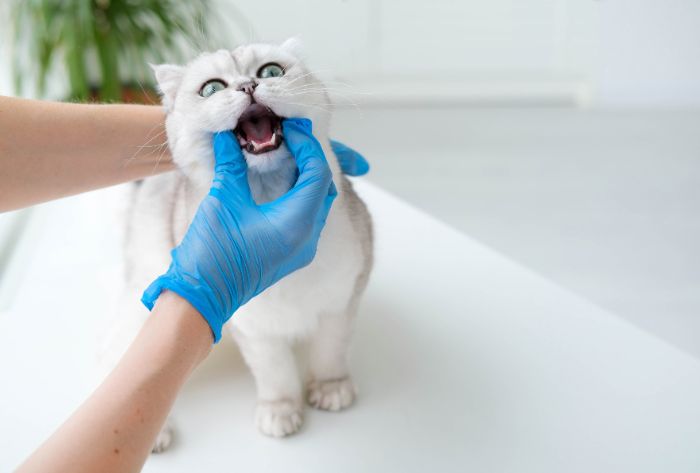
- Pre-Surgery Consultations: Before your dog’s surgery, your veterinarian will probably arrange a consultation. During this appointment, the vet will check your dog’s overall health to make sure they are ready for surgery. You can expect to discuss your dog’s medical history, any medications they are taking, allergies, and any questions or concerns you might have.
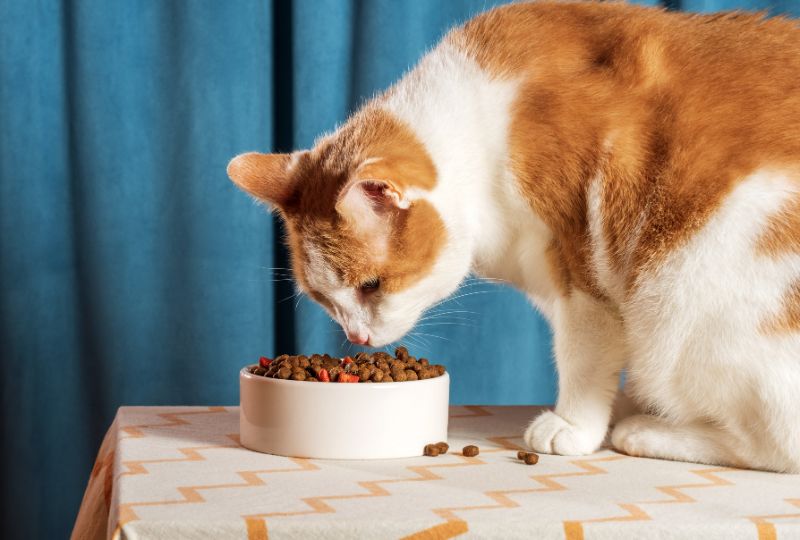
- Fasting: Most dogs need to fast for several hours before anesthesia to reduce the risk of complications during surgery. Your veterinarian will give you specific instructions on when your dog should stop eating and drinking water.
- Pre-Surgical Tests: Depending on the type of surgery your veterinarian recommends, you may need pre-surgical tests such as blood work or X-rays. These tests are designed to evaluate your dog’s overall health and ensure they are in good condition to undergo the procedure.
- Preparing the Environment: Ensure your dog feels comfortable in their environment before surgery by keeping them calm and familiar with the surroundings to help reduce their stress.
During the Surgery: What Happens in the Operating Room?
When your dog undergoes surgery, the procedure will typically involve the following steps:
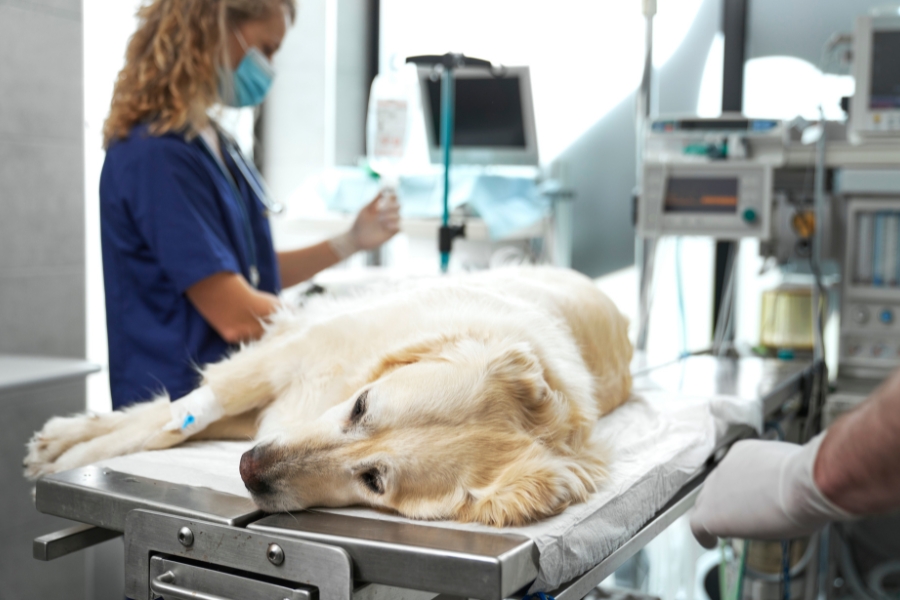
- Anesthesia: Your dog will be put under anesthesia to keep them unconscious and free of pain during the surgery. The type of anesthesia used will depend on the complexity of the procedure. A caring veterinary team will observe your dog’s vital signs throughout the operation.
- The Surgical Procedure: The specific procedure will depend on the reason for the surgery. For example, a spay or neuter involves removing reproductive organs, while orthopedic surgery might include fixing a broken bone. Your veterinarian and their team will do their best to make the process as smooth and comfortable as possible for your pet.
- Pain Management: Pain relief is a key part of the surgery to ensure your dog remains comfortable throughout the procedure. Your veterinarian will administer pain medication during the operation and will continue to monitor and provide relief during recovery to support your dog’s comfort and healing.
After the Surgery: Post-Operative Care and Recovery
Proper care after a dog surgery will help your dog heal faster and more comfortably. Here’s what to expect after your dog’s surgery:
- Monitoring and Observation: After surgery, your dog will be closely monitored until waking from anesthesia, with the veterinary team ensuring vital signs are stable and recovery is smooth.
- Returning Home: Once your dog recovers from anesthesia and is stable, they’ll be ready to go home. Your vet will provide detailed recovery instructions, including activity restrictions, medication, and site care.
- Pain Relief: Pain relief is crucial in your dog’s post-surgery care. Your vet will prescribe pain medications for discomfort. Follow the vet’s instructions carefully when administering them.
- Incision Care: If your dog’s surgery involved an incision, monitor the site for infection signs like redness, swelling, or discharge. Your vet will give instructions for cleaning and care.
- Restricting Activity: To ensure proper healing, keep your dog from strenuous activity, confine it during bathroom breaks, and follow your vet’s guidance, as recovery varies by the type of surgery.
- Follow-Up Appointments: After surgery, your vet will schedule follow-up appointments to monitor your dog’s recovery and address concerns.
Signs of Complications to Watch For
Although complications are uncommon, you should recognize possible signs of issues after a dog surgery. If you notice any of the following signs, contact your veterinarian immediately:
- Excessive Bleeding: Minor bleeding is normal, but if bleeding persists or becomes heavy, contact your vet immediately.
- Swelling or Redness: Light swelling and redness are normal right after surgery. But if it gets worse or the area feels warm, it might be an infection.
- Vomiting or Diarrhea: If your dog vomits or has diarrhea after surgery, it could be a reaction to the anesthesia or medication. Contact your vet if these problems continue.
- Lethargy or Unresponsiveness: It’s normal for your dog to be tired after surgery, but if it’s very sluggish or unresponsive, call your vet.
- Loss of Appetite: A loss of appetite is common after surgery, but if your dog refuses food or water for an extended period, consult your vet.
Helping Your Dog Recover Comfortably
Dog surgery can be a stressful experience, but with the proper care and attention, your dog will recover and return to their usual, happy self. By understanding what to expect before, during, and after surgery, you can ensure your dog receives the best possible care throughout the process.
If your dog needs surgery or post-operative care, don’t hesitate to reach out to a veterinary care provider near you and book your appointment today to get the support you and your dog need every step of the way.
FAQs
Q1. How can I prevent my dog from licking the incision site?
Ans. You can use an Elizabethan collar (cone) to prevent your dog from licking the incision site. Follow your vet’s advice on other protective measures.
Q2. What should I do if my dog is not eating after surgery?
Ans. If your dog refuses food or water for more than 24 hours after surgery, consult your vet. They may need further evaluation to rule out complications.
Q3. Will my dog need follow-up visits after surgery?
Ans. Yes, follow-up visits are crucial for monitoring your dog’s healing progress. Your vet will schedule these visits and provide aftercare instructions.
Q4. Can my dog have complications after surgery?
Ans. Although complications are rare, infections, poor healing, or adverse reactions to anesthesia can occur. Always contact your vet if you notice unusual symptoms.
Q5. Is it normal for my dog to be lethargic after surgery?
Ans. Yes, it’s normal for your dog to feel tired and sluggish after surgery due to anesthesia and the healing process. However, monitor them for extreme lethargy.