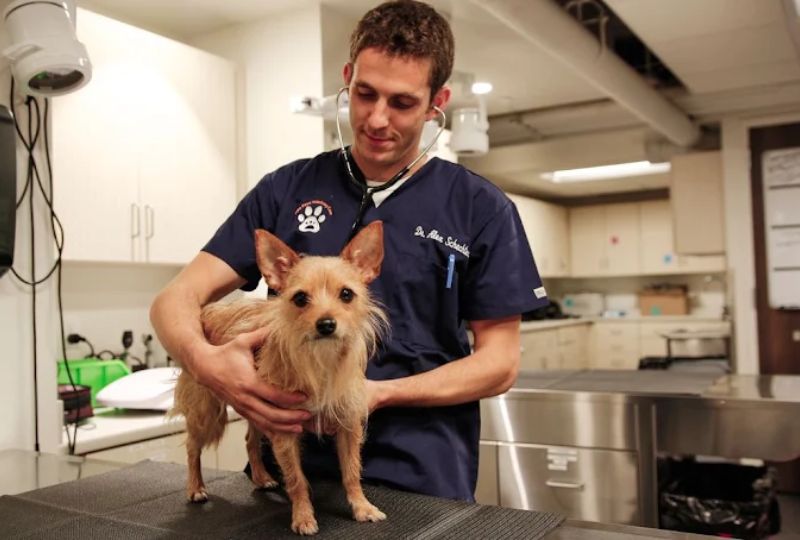
Pets can develop health problems suddenly, and some symptoms require prompt veterinary attention. While minor issues may wait for a scheduled appointment, other conditions can become more serious when treatment is delayed. Knowing how to recognize warning signs can help you make confident decisions when your dog or cat needs immediate attention.
Urgent pet care focuses on health concerns that need timely veterinary evaluation but may not always require a traditional emergency hospital. Acting quickly can reduce discomfort, prevent complications, and give your veterinarian a better opportunity to treat the underlying problem.
For pet owners, understanding what symptoms to watch for, what to do before visiting the veterinarian, and when professional evaluation becomes necessary can make an important difference. This guide is especially helpful for pet owners in New York.
What Is Urgent Veterinary Care?
Urgent veterinary care addresses medical problems that should be evaluated promptly rather than waiting several days for a routine appointment. These concerns can range from sudden vomiting and diarrhea to painful injuries, breathing changes, allergic reactions, or unexplained weakness.
The key difference between routine and urgent visits is timing. A routine appointment may address preventive care, wellness examinations, vaccinations, or ongoing health management. However, an urgent visit focuses on a problem that has appeared suddenly or changed quickly.
Therefore, pet owners should pay attention to changes in behavior, appetite, movement, breathing, and bathroom habits. Even when a symptom does not appear severe, a sudden change can sometimes indicate an underlying condition that requires professional assessment.
Why Acting Quickly Matters
Animals often hide signs of discomfort. Dogs and cats may continue behaving normally even when they experience pain or illness. As a result, owners may not recognize a problem until symptoms become more noticeable.
Prompt veterinary attention can help identify problems before they progress. For example, repeated vomiting can lead to dehydration, while difficulty breathing can indicate a potentially serious respiratory or cardiovascular concern. Likewise, a painful injury may worsen if a pet continues walking or playing on it.
Furthermore, early evaluation allows a veterinarian to determine whether the problem is minor or requires more advanced treatment. This assessment can provide peace of mind while helping your pet receive appropriate care.
Common Signs Your Pet May Need Prompt Attention
Every animal responds to illness differently. Nevertheless, several warning signs deserve careful attention.
1. Repeated Vomiting
An isolated episode of vomiting may occur after dietary indiscretion or a temporary stomach upset. However, repeated vomiting, especially when accompanied by weakness, abdominal discomfort, blood, or an inability to keep water down, deserves veterinary attention.
Young pets, senior animals, and pets with existing health concerns may become dehydrated more quickly. Consequently, waiting too long can make recovery more difficult.
2. Persistent Diarrhea
Diarrhea can result from dietary changes, stress, infections, parasites, or other medical conditions. Occasional loose stool may resolve on its own, but persistent or severe diarrhea should not be ignored.
Contact your veterinary team if diarrhea continues, contains blood, occurs alongside vomiting, or causes noticeable weakness or reduced appetite.
3. Difficulty Breathing
Breathing changes can be especially concerning. Rapid breathing, excessive effort while breathing, wheezing, coughing, open-mouth breathing in cats, or unusual respiratory sounds should receive prompt professional attention.
Because breathing problems can worsen quickly, owners should avoid waiting to see whether the condition improves without evaluation.
4. Sudden Weakness or Collapse
A pet that suddenly becomes weak, collapses, struggles to stand, or appears unusually unresponsive needs immediate veterinary assessment.
Such symptoms can have many possible causes, including metabolic problems, cardiovascular conditions, blood loss, toxins, or other serious issues. A veterinarian can determine which diagnostic tests and treatments are appropriate.
5. Severe or Unexplained Pain
Pets may show pain through whining, hiding, restlessness, aggression, limping, reduced movement, or changes in posture. Some animals become unusually quiet instead.
Do not assume that pain will disappear on its own. Instead, arrange a veterinary evaluation so the underlying cause can be identified.
6. Injuries and Accidents
Falls, bites, vehicle-related injuries, puncture wounds, and other accidents may cause damage that is not immediately visible.
Even when a pet appears to walk normally after an accident, internal injuries may still exist. Therefore, veterinary evaluation can be important following significant trauma.
7. Difficulty Urinating
Straining to urinate, repeatedly visiting the litter box, producing very little urine, crying during urination, or showing signs of discomfort can indicate a urinary problem.
Urinary obstruction can become particularly serious, especially in male cats. If your pet cannot urinate, seek immediate veterinary attention.
8. Seizures or Sudden Neurological Changes
Seizures, sudden loss of coordination, unusual movements, disorientation, or difficulty walking can indicate a neurological problem.
If a seizure occurs, keep your pet away from stairs, furniture edges, and other hazards. Do not place your hands inside the animal’s mouth. Instead, observe the episode and contact a veterinarian for guidance.
9. Suspected Poisoning
Pets can accidentally consume medications, household products, certain foods, plants, or other harmful substances. If you suspect your pet has ingested something dangerous, do not wait for symptoms to appear.
Contact a veterinary professional promptly and provide information about what your pet may have consumed, how much was involved, and approximately when ingestion occurred.
10. Sudden Behavioral Changes
A sudden change in behavior can provide an important clue. A normally social pet that suddenly hides, refuses food, becomes restless, or reacts differently to touch may be experiencing discomfort.
Behavioral changes do not always indicate a serious medical condition. However, sudden or persistent changes deserve attention, particularly when other symptoms appear at the same time.
What Should You Do Before Visiting the Veterinarian?
When a pet becomes sick or injured, staying calm can help you respond effectively. First, move your pet away from hazards and keep the environment quiet.
Next, observe the symptoms carefully. Note when the problem started, how often it occurs, and whether it has become better or worse. If vomiting or diarrhea occurs, record the frequency and appearance. For injuries, note how the incident happened and whether your pet can walk normally.
Additionally, gather useful information about your pet’s medications, recent food changes, existing health concerns, and vaccination history. If you suspect toxin exposure, bring the product packaging when it is safe to do so.
Do not give human medications unless a veterinarian specifically instructs you to do so. Some medications that are safe for people can be dangerous or even toxic to animals.
What Happens During an Urgent Veterinary Visit?
During an urgent pet care appointment, the veterinary team typically begins by assessing your pet’s overall condition. This initial evaluation may include checking breathing, heart rate, temperature, hydration, gum color, and other vital signs.
The veterinarian will also ask questions about the symptoms and your pet’s recent history. Clear information from the owner can help the team understand how quickly the problem developed.
Depending on the situation, additional testing may be recommended. Diagnostic options can include blood testing, urine testing, digital imaging, or other examinations. These tools help the veterinarian look beyond visible symptoms and identify possible causes.
Treatment depends on the diagnosis. Some pets may need medication, fluid support, wound care, pain management, dietary recommendations, or monitoring. Other cases may require additional diagnostics or referral to a facility equipped for more intensive treatment.
The goal is always to evaluate the problem efficiently and determine the safest next step for the animal.
How to Prepare for Future Urgent Situations
Preparation can make stressful situations easier. Keep your veterinarian’s contact information readily available and know how to reach the clinic when your pet needs prompt attention.
It is also helpful to maintain an updated record of medications, allergies, medical conditions, and vaccination history. Keep a secure carrier available for cats and small dogs, and make sure larger dogs can be transported safely.
Pet-proofing your home can also reduce preventable accidents. Store medications, cleaning products, toxic foods, and potentially dangerous household items where animals cannot reach them.
Moreover, learn your pet’s normal behavior. When you understand how your pet usually eats, sleeps, plays, walks, and interacts with family members, unusual changes become easier to recognize.
Routine Veterinary Care Still Matters
Prompt veterinary attention is important when problems arise, but preventive care remains the foundation of long-term wellness.
Regular examinations allow veterinarians to monitor changes over time and identify potential concerns before they become more complicated. Vaccinations, parasite prevention, dental care, nutrition counseling, weight monitoring, and age-appropriate screenings can all contribute to better overall health.
Routine care also creates an opportunity to discuss changes that may not seem urgent but still deserve attention. For example, gradual weight loss, increased thirst, reduced activity, or changes in appetite can sometimes provide early clues about developing health problems.
Therefore, preventive visits and prompt evaluations work together. One helps maintain health, while the other addresses unexpected problems when they occur.
When Should You Contact a Veterinary Team?
If you are unsure whether a symptom requires immediate attention, contacting a veterinary professional is often the safest approach. Describe what you are seeing, explain when it began, and mention any changes in eating, drinking, urination, bowel movements, activity, or behavior.
Your veterinary team can help determine whether your pet should be seen promptly, monitored at home, or scheduled for a routine appointment.
Remember that you know your pet’s normal habits better than anyone. If something seems significantly different, trust that observation and seek professional guidance rather than waiting for the condition to become worse.
Why Choose Pure Paws Veterinary Care of Hell’s Kitchen?
When your pet develops an unexpected health concern, having access to a knowledgeable veterinary team can provide valuable reassurance. Pure Paws Veterinary Care of Hell’s Kitchen focuses on compassionate veterinary care while helping pet owners understand their animals’ health needs.
The team can evaluate concerning symptoms, discuss appropriate next steps, and help you understand available treatment options. Clear communication matters because owners need practical information when making decisions about their pets.
Most importantly, timely veterinary attention can help identify problems sooner and support a safer recovery.
Knowing the warning signs of illness or injury allows pet owners to respond more confidently when something does not seem right. Repeated vomiting, severe diarrhea, breathing difficulties, sudden weakness, injuries, urinary problems, seizures, suspected poisoning, and significant behavioral changes should never be ignored.
Urgent pet care can provide timely evaluation when your pet develops a problem that cannot reasonably wait for a routine appointment. By recognizing changes early, preparing for unexpected situations, and maintaining regular veterinary visits, you can support your companion’s health throughout every stage of life.
If you are in New York, and looking for a urgent pet care near you, book an appointment with Pure Paws Veterinary Care of Hell’s Kitchen or call (917) 534-7838. Our veterinary team is here to support you and your pet every step of the way.
Frequently Asked Questions
- What are common signs that my pet needs urgent veterinary care?
Signs can include repeated vomiting, severe diarrhea, difficulty breathing, sudden weakness, significant pain, injuries, seizures, difficulty urinating, or suspected poisoning. If symptoms appear suddenly or worsen quickly, contact a veterinary professional.
- Should I wait for a regular appointment if my pet is suddenly unwell?
Not always. If your pet develops severe or rapidly worsening symptoms, prompt evaluation may be more appropriate than waiting for a routine appointment. Contact your veterinarian to determine the best next step.
- What should I do before bringing my pet to the veterinarian?
Keep your pet calm and away from potential hazards. Note when the symptoms started and any changes in eating, drinking, behavior, urination, or bowel movements. Also, avoid giving human medications unless a veterinarian specifically recommends them.
- How can Pure Paws Veterinary Care of Hell’s Kitchen help when my pet needs prompt attention?
Pure Paws Veterinary Care of Hell’s Kitchen provides compassionate veterinary support for pets experiencing unexpected health concerns. The veterinary team can evaluate symptoms, recommend appropriate diagnostics, and discuss treatment options based on your pet’s individual needs.
- Why choose Pure Paws Veterinary Care of Hell’s Kitchen for my pet’s veterinary needs?
Pure Paws Veterinary Care of Hell’s Kitchen focuses on personalized, compassionate veterinary care. The team works with pet owners to understand their concerns, evaluate their pets carefully, and provide clear guidance about appropriate treatment and follow-up care.
- How can I prepare for an unexpected pet health problem?
Keep your veterinary clinic’s contact information accessible, maintain current medical records, and know your pet’s medications and medical history. You should also keep carriers and safe transportation options ready so you can respond quickly when your pet needs professional attention.