Cats are agile, quiet, and skilled at hiding discomfort. A jump that seems minor or a sudden fall might not appear serious, but internal injuries can occur without obvious signs. This is where X-rays become very important, as they allow veterinarians to look inside and detect hidden damage, ensuring injuries are detected early before they cause more pain or lead to complications.
Understanding Diagnostic Imaging Tools
X-ray imaging provides a clear view of bones, joints, and internal structures, helping veterinarians see details that are not visible externally. Cat X-rays work by passing controlled radiation through the body to produce images that show tissue differences, with bones appearing bright and well-defined.
At the same time, other structures help highlight any abnormalities. Physical examinations alone may not detect fractures, joint instability, or internal injuries, especially when swelling, muscle tightness, or behavioral changes hide underlying problems. Using imaging techniques enables more accurate diagnosis by helping veterinarians locate injury sites, assess severity, and plan appropriate treatment without invasive procedures. This detailed information is crucial for making well-informed treatment decisions that prioritize the animal’s health and comfort.
Injuries Identified Through X-rays
Many injuries in cats may not be visible without proper imaging techniques. It is often recommended to take X-rays when a cat shows signs such as limping, stiffness, refusal to jump, or sudden changes in behavior.
Injuries frequently identified include:
- Bone fractures caused by falls or collisions
- Joint dislocations affecting mobility
- Spinal injuries impacting balance or coordination
- Chest trauma involving ribs or lung expansion
- Pelvic injuries following impact events
Living in an urban environment involves certain risks, particularly for indoor cats living in places like New York homes that have stairs, window ledges, or fire escapes. Falls can occur even without outdoor access, and imaging tests can help determine whether injuries need rest, medical treatment, or further intervention.
“Some breeds, such as Maine Coons, require extra attention because they are more prone to hip dysplasia and skeletal stress, making careful evaluation important to ensure their safety and well-being. X-ray imaging helps us identify skeletal injuries early, before mobility issues worsen or compensation creates long-term discomfort,” quotes Dr. Liff.
Assessing Trauma After Impact
A cat can continue walking normally even as hairline fractures or internal bruising develop silently. X-rays are helpful tools for veterinarians to detect injuries that might worsen over hours or days following an incident. Imaging becomes especially important after falls, vehicle accidents, or other sudden impacts, as it allows a thorough assessment of bone alignment, rib condition, and any internal injuries that may not be immediately visible.
Guiding Treatment Decisions
Accurate diagnosis is vital for treatment, and cat X-rays provide objective evidence to determine whether rest, pain relief, stabilization, or surgery is needed. Without imaging, decisions are based on assumptions.
X-rays are crucial for tracking the healing process through follow-up images to determine whether fractures are healing correctly and whether recovery is on track, reducing the risk of improper healing that could lead to ongoing pain or limited movement.
Additionally, an animal’s overall health influences both the risk of injury and the ease with which problems can be detected. “Domestic Shorthair and Longhair cats are often prone to obesity, which can put extra stress on their joints. Cat X-rays allow us to detect subtle injuries that physical exams may miss, especially when joint strain is masked by body weight,” explains Dr. Kurtzman.
Comfort and Safety During Imaging
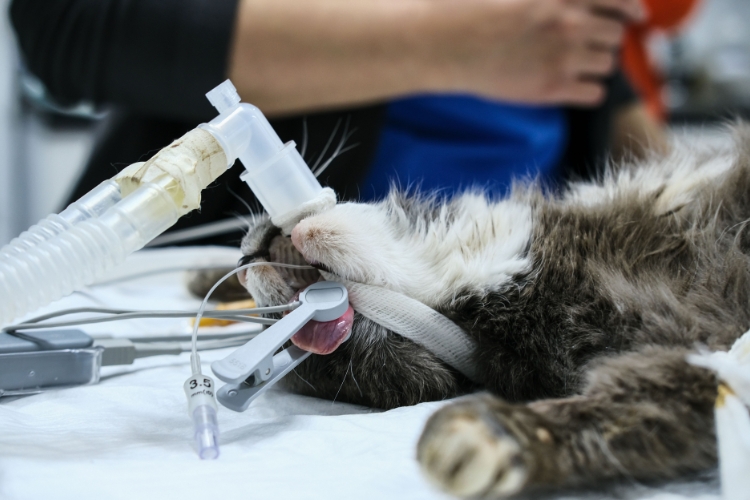
X-ray procedures are intended to be quick and cause minimal stress. For cats, gentle positioning is essential to obtain clear images. Sometimes, mild sedation is used to lessen discomfort and prevent movement, ensuring accurate results without causing stress.
Radiation exposure remains low and is carefully controlled. State-of-the-art veterinary imaging equipment prioritizes safety while delivering high-quality diagnostic images. The benefits of imaging significantly outweigh the minimal exposure involved.
Supporting Recovery and Mobility
Cat X-rays allow vets to see how well healing is progressing and make necessary changes to care. Ensuring proper alignment can lower the chance of long-term mobility problems and ongoing discomfort.
Accurate diagnosis is essential for effective recovery plans. Imaging confirms that injuries are correctly identified and not missed, helping cats return to normal activities more smoothly and maintaining their quality of life as they age.
A Clear Diagnostic Path
Diagnostic imaging is essential for detecting injuries in cats, providing a clearer and more precise view than a physical exam alone. X-rays, specifically, enable early detection, ensuring timely treatment for your cat. Early diagnosis promotes faster recovery and helps avoid long-term issues from untreated injuries.
At Pure Paws, we recognize the importance of clarity for cat owners following an injury. That’s why we provide advanced diagnostic imaging as part of our thorough care. Using the newest imaging technology, we can accurately assess your cat’s condition and develop a customized treatment plan suited to their specific needs.
To maximize your cat’s chances of a complete and confident recovery, book a consultation with Pure Paws Veterinary Care now. Our team will support you throughout the process, addressing any concerns early and helping your cat on the road to healing.
FAQs
Q1. How do X-rays help detect hidden injuries in cats?
Ans. X-rays reveal fractures, joint damage, and internal trauma that cannot be felt during a physical exam. They provide visual confirmation of injury location and severity, allowing accurate diagnosis and safer treatment planning.
Q2. Are X-rays helpful if my cat is still walking normally?
Ans. Yes. Cats may continue moving despite fractures or internal injuries. X-rays help detect damage early before symptoms worsen or complications develop.
Q3. Do X-rays show soft tissue injuries?
Ans. X-rays primarily show bones, but they can also reveal indirect signs of soft-tissue injury, such as swelling, fluid buildup, or abnormal organ positioning.
Q4. Is sedation always required for X-rays?
Ans. No. Sedation is only used when necessary to prevent movement or reduce discomfort. Many cats tolerate imaging with gentle handling alone.
Q5. Are X-rays safe for cats?
Ans. Yes. Radiation exposure is minimal and carefully controlled, and the benefits of accurate diagnosis outweigh the risks.