
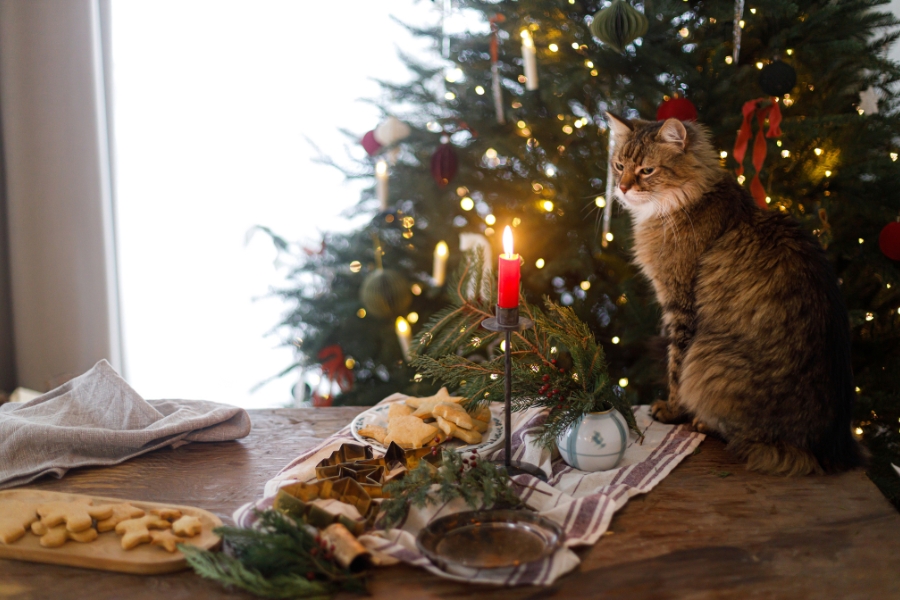
The holiday season in New York City brings twinkling lights, festive gatherings, and homemade feasts. However, it also introduces hazards for pets. From tasty treats left on the counter to dazzling decorations within reach, Christmas can present risks that lead to injury or illness. At Pure Paws Veterinary Care, we want you to enjoy a joyful and safe holiday with your animal companions.
In this guide, we will walk you through the most common foods and decorations to avoid during Christmas. Furthermore, you will learn practical steps to protect your pets while celebrating the season. With proper awareness and planning, you can create a festive environment that is safe for every family member—especially the furry ones.
Why Holiday Hazards Matter for Pets
First, it’s essential to understand why certain holiday items are dangerous for animals. Unlike humans, pets have different digestive systems and sensitivities. Many foods that are safe for people can cause serious health issues for cats and dogs. In addition, decorations that seem harmless to us may be tempting toys for curious pets, leading to choking or internal blockages.
In a busy city like New York City, where pets may be confined more often indoors during winter, the chances of encountering hazardous items increase. Therefore, you should carefully manage your home environment during the Christmas season.
Holiday Foods Pets Should Never Eat
Many classic Christmas foods are toxic or harmful to dogs and cats. Although you may want to share the holiday spirit, avoid feeding these items to your pets.
Chocolate and Cocoa
Chocolate is one of the most well-known food hazards for pets. It contains theobromine and caffeine, which animals cannot metabolize well. Dark chocolate and baking chocolate are especially dangerous. Even a small amount can lead to vomiting, restlessness, elevated heart rate, or seizures.
In Manhattan or Brooklyn holiday parties, desserts often include chocolate. Keep all sweets well out of reach, and dispose of wrappers immediately.
Grapes and Raisins
Grapes, raisins, and currants may seem like healthy snacks, but they can cause sudden kidney failure in dogs. Symptoms include lethargy, vomiting, and increased thirst. Avoid placing fruit trays or holiday breads with raisins within reach of pets.
Onions, Garlic, and Leeks
Onions, garlic, leeks, and chives are common in holiday stuffing, sauces, and dips. These vegetables can damage red blood cells in pets, leading to anemia. Even small amounts over time can be toxic, so be vigilant during meal preparation and cleanup.
Nuts (Especially Macadamia Nuts)
Nuts, particularly macadamia nuts, are dangerous for dogs. They can lead to weakness, tremors, vomiting, and depression. Holiday nut mixes, or desserts with chopped nuts, should be kept far from curious noses.
Xylitol
Xylitol is a sugar substitute used in many sugar-free products like gum, candy, and baked goods. It can cause rapid hypoglycemia (low blood sugar), seizures, liver failure, or even death in dogs. Always check ingredient labels before offering any treat to your pet.
Christmas Decorations That Pose Risks
While decorations make your home merry and bright, pets may view them as toys or chew items. Below are common decorations to avoid or manage carefully.
Tinsel and Garland
Shiny tinsel and garland can look irresistible to cats, especially kittens. If ingested, these strands can cause serious intestinal blockages requiring emergency surgery. It’s best to avoid tinsel altogether if you have pets who like to play with dangling items.
Ornaments and Small Decorations
Glass or plastic ornaments, especially those that are small or breakable, can be hazardous. If a ball ornament falls and shatters, shards can injure paws or mouths. Likewise, small decorative pieces can pose choking hazards. Place breakable items high in trees or choose shatterproof options.
Christmas Tree Water
Some pet owners add preservatives or fertilizers to the water in the Christmas tree stand, thinking it will help keep the tree fresh. However, this water may contain bacteria or chemicals that are harmful if ingested by pets. Keep the tree stand covered or restrict pet access to prevent them from drinking it.
LED Lights and Electrical Cords
Holiday lights and extension cords are attractive chew items to teething puppies or curious cats. Chewing on cords can lead to electric shock or burns. Use protective covers for cords and secure them out of easy reach. Additionally, turn off lights before leaving the house unattended.
Candles
Candles add warmth to holiday décor but pose fire and burn hazards. Pets can knock them over during play or accidentally burn themselves if they jump near them. Consider using flameless LED candles as a safer alternative.
Keeping Pets Safe Throughout the Season
Now that you know the foods and decorations to avoid, let’s discuss proactive steps you can take to protect your pet.
Create a Safe Zone
Set up a quiet room or corner with your pet’s favorite bed, toys, and water. This safe zone should be away from loud gatherings or high-traffic areas. Use baby gates or closed doors to provide a retreat when your pet feels overwhelmed.
Monitor Holiday Guests
Holiday visitors may unintentionally feed pets harmful foods or leave doors open. Ask guests to avoid offering table scraps and to keep entryways secure. Remind friends and family that some holiday foods are dangerous for pets, even in small amounts.
Practice Supervised Decorating
When decorating, involve a family member who can watch the pet’s behavior. If your pet shows a strong interest in certain decorations, adjust placement or remove them entirely. You can also provide alternate enrichment, such as puzzle toys, to distract from hazardous items.
Plan Safe Treat Alternatives
Offer pet-friendly treats during holiday meals. Many pet stores in New York City carry holiday-themed snacks designed for dogs or cats. You can also prepare homemade treats using vet-approved ingredients. Just be sure to limit portion sizes to avoid digestive upset.
What to Do If Your Pet Eats Something Dangerous
Even with the best precautions, accidents can happen. If your pet consumes a toxic food or decoration, act quickly. Look up the item in question and note the amount ingested. Then, seek veterinary help immediately.
Call your local emergency veterinary clinic or poison control. Early intervention often prevents serious complications.
Christmas in New York City is full of warmth, lights, and cherished traditions. However, certain foods and decorations can pose dangers to your pets. By avoiding toxic holiday foods like chocolate, grapes, onions, and xylitol, and by securing festive decorations, you can minimize risk and keep your pets safe throughout the season. Furthermore, providing a calm environment, supervising holiday activities, and replacing hazards with pet-safe alternatives will help every member of your family enjoy a happy holiday. If you ever have questions or concerns about your pet’s safety during the holidays, please contact our veterinary hospital.
Frequently Asked Questions
Q1. What holiday foods are most dangerous to pets?
Ans. Holiday foods such as chocolate, grapes, raisins, onions, garlic, and any product containing xylitol are especially dangerous to pets and should never be given.
Q2. Can pets eat turkey during Christmas dinner?
Ans. Plain, cooked turkey meat without seasoning or bones can be given in small amounts. However, seasoned meat, skin, and bones should be avoided due to digestive and choking risks.
Q3. Is tinsel harmful to cats?
Ans. Yes, tinsel can cause serious intestinal blockages if swallowed by cats. It is best to avoid using tinsel if pets are in the home.
Q4. How can I keep my pet calm amid holiday visitors?
Ans. Create a quiet, safe zone, maintain regular routines, and provide toys or calming treats. Supervise interactions and give pets space away from guests if needed.
Q5. What should I do if my pet eats a decoration?
Ans. Contact your veterinarian or an emergency clinic immediately. Provide information about the item ingested and how much was consumed.
Q6. Are artificial Christmas trees safer for pets?
Ans. Artificial trees can be safer than real ones, as real tree water may contain bacteria or chemicals. Regardless, ensure the tree is stable, and decorations are out of reach.
