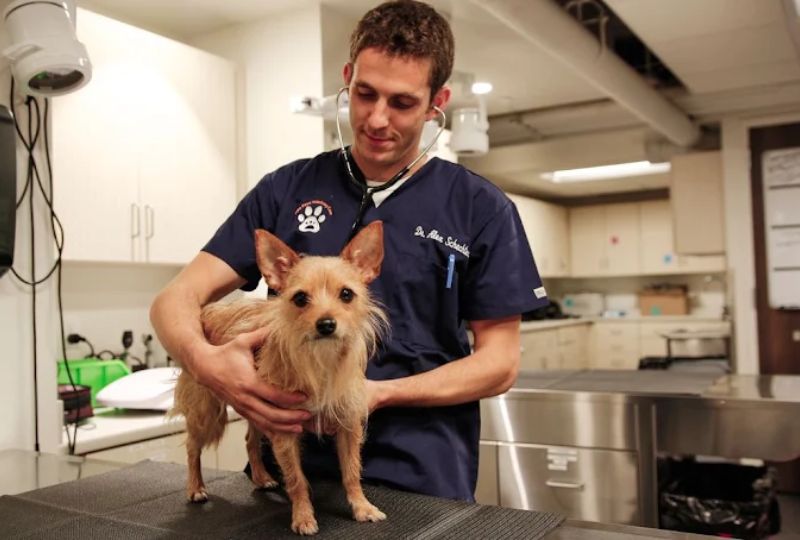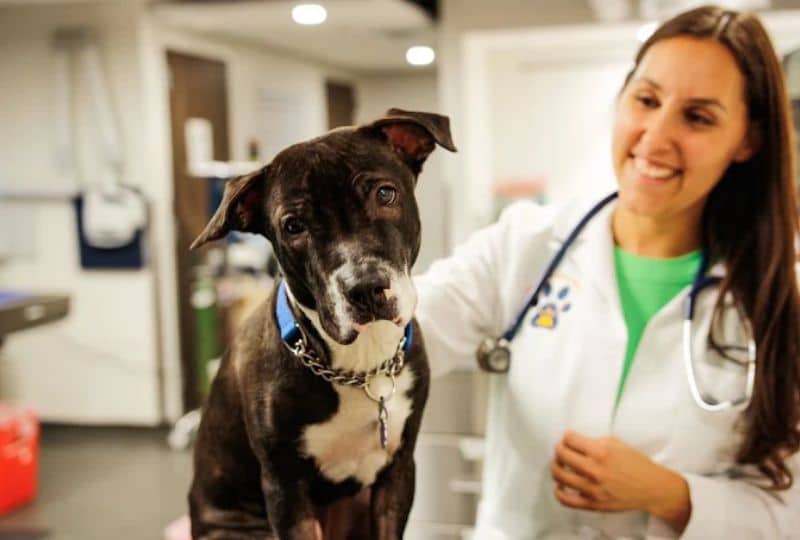
Keeping a pet healthy requires more than treating an illness after symptoms appear. Preventive care helps identify potential concerns early, maintain overall wellness, and give pets the support they need throughout different stages of life. Regular examinations, vaccinations, parasite prevention, dental care, nutrition, and appropriate health screenings all play valuable roles in this approach.
Dogs and cats can sometimes hide signs of discomfort or illness. Consequently, a problem may progress before an owner realizes that something has changed. Routine veterinary visits provide an opportunity to monitor your pet’s health, establish normal health patterns, and address concerns before they become more difficult to manage.
In addition, preventive recommendations should match each pet’s individual needs. Age, breed, lifestyle, activity level, medical history, and environmental exposure can all influence a pet’s health risks. Understanding how veterinary professionals help prevent common problems can help owners make informed decisions about their companions. This approach is especially valuable for pet families in New York.
Why Preventive Veterinary Care Matters
Veterinary care can help pet owners take a proactive approach to their companions’ health. Instead of waiting for noticeable symptoms, preventive care focuses on regular monitoring and early recognition of potential concerns.
During wellness visits, veterinarians evaluate various aspects of a pet’s health. They may examine the eyes, ears, mouth, teeth, skin, coat, heart, lungs, abdomen, joints, and body condition.
Furthermore, these appointments give owners an opportunity to discuss changes in appetite, activity, behavior, weight, bathroom habits, or other concerns.
Early detection cannot prevent every health condition. However, identifying changes sooner may allow the veterinary team to recommend monitoring, diagnostic testing, lifestyle adjustments, or treatment when appropriate.
Regular Wellness Exams Help Monitor Health
Routine wellness examinations provide the foundation for preventive care.
During a physical examination, the veterinarian evaluates your pet from nose to tail. The team may check vital signs, body condition, mobility, dental health, skin, coat, eyes, ears, and other areas.
These appointments also help establish a baseline. For example, if your pet’s weight or mobility changes during a later visit, previous examination findings can provide useful points of comparison.
Therefore, even when your pet appears healthy, regular examinations remain important.
Vaccinations Help Protect Against Disease
Vaccinations are an important component of preventive health.
Vaccines help prepare the immune system to respond to specific infectious diseases. However, vaccination recommendations vary according to age, lifestyle, previous vaccination history, and potential exposure.
Puppies and kittens generally need a series of vaccines during their early development. Adult pets may require additional vaccinations or boosters according to their individual needs.
Your veterinary team can review your pet’s records and recommend an appropriate vaccination schedule.
Keeping those records updated also makes it easier to maintain consistent preventive care as your pet grows.
Parasite Prevention Helps Protect Pets
Fleas, ticks, intestinal parasites, and other pests can affect an animal’s comfort and health.
Parasites may contribute to itching, skin irritation, digestive problems, anemia, and other complications. Some parasites can also transmit diseases.
Fortunately, regular parasite prevention can reduce these risks.
However, the appropriate prevention strategy depends on your pet’s lifestyle. An indoor cat may have different exposure risks than a dog that frequently spends time outdoors.
For this reason, discuss parasite prevention with your veterinary team and follow the recommended schedule.
Dental Care Supports a Healthy Mouth
Dental health deserves consistent attention because oral problems can affect a pet’s comfort and quality of life.
Plaque and tartar can accumulate on the teeth and contribute to gum inflammation and periodontal disease. Over time, untreated dental problems may lead to pain, bad breath, difficulty chewing, and other concerns.
Pets may not always show obvious signs of dental discomfort. Some animals continue eating normally despite significant oral disease.
During wellness examinations, veterinarians can inspect your pet’s mouth and identify signs that may require further attention.
At home, owners can also support dental health through vet-recommended brushing, dental products, and regular observation.
Nutrition Helps Prevent Weight-Related Problems
Proper nutrition provides the energy and nutrients pets need for growth, activity, immune function, and general wellness.
However, nutritional needs change throughout a pet’s life. Puppies and kittens require diets that support development, while adult pets need nutrition appropriate for their activity level and body condition.
Senior pets may also require dietary adjustments based on their individual health.
Weight management is equally important. Excess weight can place additional stress on joints and may contribute to other health concerns. On the other hand, unexplained weight loss can sometimes signal an underlying condition.
Veterinarians can evaluate body condition and provide practical nutrition recommendations based on the individual pet.
Preventive Screening Can Identify Hidden Changes
Some health problems develop gradually and may not produce obvious symptoms at first.
Depending on your pet’s age, medical history, medications, and risk factors, the vet may recommend bloodwork, urine testing, or other diagnostic screening.
These tests can provide information about organ function, blood cells, hydration, and other aspects of health.
Routine screening can also establish baseline results. When future results are compared with earlier findings, the veterinary team may be able to identify changes that deserve further investigation.
Senior pets may benefit from closer monitoring because some health concerns become more common with age.
Skin and Ear Care Can Prevent Recurring Problems
Skin and ear problems are common among dogs and cats. Persistent scratching, excessive licking, redness, hair loss, unpleasant odors, or recurring ear discharge should not be ignored.
Several factors can contribute to these problems, including allergies, parasites, infections, and environmental triggers.
Although treating symptoms may provide temporary relief, identifying the underlying cause can help create a more effective management strategy.
Regular examinations allow veterinarians to evaluate recurring problems and recommend appropriate care.
Behavioral Changes May Reveal Health Concerns
Your pet’s behavior can provide important clues about overall wellness.
For example, a normally active dog that suddenly becomes withdrawn may be experiencing discomfort. Likewise, a social cat that begins hiding may have a health or environmental concern.
Other changes may include:
- Reduced interest in play
- Excessive vocalization
- Increased hiding
- Restlessness
- Sudden aggression
- Changes in sleep
- Reduced grooming
- Appetite changes
- Unusual clinginess
Behavioral changes do not always indicate illness. Nevertheless, sudden or persistent changes should be discussed with a veterinary professional, especially when physical symptoms occur at the same time.
Exercise Supports Physical and Mental Wellness
Regular physical activity helps pets maintain healthy body weight, muscle strength, mobility, and mental stimulation.
However, exercise requirements differ among individual animals. A young dog may need more daily activity than an older pet with joint problems. Similarly, indoor cats can benefit from interactive play and opportunities to move.
Veterinarians can provide exercise recommendations based on age, breed, body condition, lifestyle, and health status.
If your pet suddenly becomes reluctant to exercise or has difficulty moving, discuss the change with your veterinary team.
Preventive Care Changes as Pets Age
A pet’s health needs evolve throughout life. Therefore, preventive care should change as the animal grows.
Puppy and Kitten Care
Young pets need appropriate vaccinations, parasite prevention, nutritional guidance, and developmental monitoring. Early visits also give owners an opportunity to discuss training, socialization, behavior, and daily routines.
Adult Pet Care
Adult pets benefit from regular wellness examinations, vaccinations, parasite prevention, dental monitoring, weight management, and lifestyle guidance.
Even healthy adult animals should receive routine veterinary care because some conditions can develop without obvious signs.
Senior Pet Care
Older pets may need closer monitoring as their health needs change.
Changes in appetite, weight, mobility, behavior, sleep, and bathroom habits can provide important clues. Regular examinations and appropriate screening can help distinguish normal aging from potential health concerns.
How Pure Paws Veterinary Care of Hell’s Kitchen Supports Pet Wellness
Pure Paws Veterinary Care of Hell’s Kitchen provides personalized veterinary care focused on the individual needs of each pet.
The veterinary team can help owners monitor their pets’ health, discuss preventive strategies, and address concerns before they potentially become more complicated.
During appointments, pet owners can discuss changes in appetite, weight, activity, behavior, dental health, or other aspects of daily wellness.
Clear communication also helps create a complete picture of a pet’s health. By maintaining consistent records and monitoring changes over time, the veterinary team can adjust recommendations as your pet’s needs evolve.
What Pet Owners Can Do at Home
Veterinary care works best when owners continue healthy routines between appointments.
You can support your pet’s wellness by:
- Providing balanced, age-appropriate nutrition
- Maintaining a healthy body weight
- Following recommended vaccination schedules
- Using appropriate parasite prevention
- Supporting dental hygiene
- Providing suitable daily exercise
- Monitoring appetite and water intake
- Watching for behavioral changes
- Checking the skin and coat
- Keeping veterinary records updated
Additionally, contact your veterinary team when you notice persistent or unusual changes.
Even a small change may provide useful information when considered alongside your pet’s overall health history.
When Should You Schedule a Veterinary Appointment?
Preventive appointments should not wait until your pet becomes sick.
Schedule regular wellness visits so the veterinary team can monitor your companion’s health and discuss preventive recommendations. You should also contact the practice when you notice changes in appetite, weight, energy, mobility, behavior, breathing, drinking, urination, or bowel habits.
Some symptoms require prompt evaluation. Difficulty breathing, collapse, severe pain, significant bleeding, seizures, suspected poisoning, and serious injuries should receive immediate professional attention.
If you are uncertain about a symptom, contacting a veterinary professional can help you determine what to do next.
Vets play an important role in helping prevent and manage common pet health problems. Regular wellness examinations, vaccinations, parasite prevention, dental care, nutrition guidance, weight management, diagnostic screening, and lifestyle recommendations can all contribute to a healthier life for dogs and cats.
A veterinarian can also help develop preventive recommendations based on your pet’s age, lifestyle, medical history, and individual needs. By combining professional veterinary care with attentive observation at home, owners can take proactive steps toward protecting their companions’ health.
If you are in New York and looking for a vet near you, book an appointment with Pure Paws Veterinary Care of Hell’s Kitchen. Our compassionate veterinary team is dedicated to providing personalized care and guidance to help keep your pet healthy and comfortable.
Frequently Asked Questions
- How can preventive veterinary care help my pet?
Preventive veterinary care helps monitor your pet’s health and identify potential concerns before they become more serious. Regular examinations, vaccinations, parasite prevention, dental care, nutrition guidance, and appropriate screening all support proactive wellness.
- How often should my pet receive a wellness examination?
The appropriate schedule depends on your pet’s species, age, lifestyle, medical history, and individual health needs. Puppies, kittens, and senior pets may need more frequent monitoring, while healthy adult pets should still receive regular examinations.
- Why does my pet need regular vaccinations?
Vaccinations help prepare the immune system to respond to specific infectious diseases. Your veterinarian can recommend an appropriate schedule based on your pet’s age, lifestyle, vaccination history, and exposure risks.
- Can Pure Paws Veterinary Care of Hell’s Kitchen create a preventive care plan for my pet?
Yes. Pure Paws Veterinary Care of Hell’s Kitchen can assess your pet’s individual needs and provide recommendations related to wellness examinations, vaccinations, parasite prevention, dental care, nutrition, weight management, and other preventive services.
- Why choose Pure Paws Veterinary Care of Hell’s Kitchen for preventive veterinary care?
Pure Paws Veterinary Care of Hell’s Kitchen focuses on compassionate, personalized veterinary care. The team works with pet owners to understand their concerns, monitor health changes, and provide recommendations designed around each pet’s needs.
- What can I do at home to support my pet’s health?
Provide balanced nutrition, maintain a healthy weight, follow recommended vaccination and parasite-prevention schedules, support dental hygiene, provide appropriate exercise, and monitor your pet’s normal habits. Contact your veterinary team if you notice persistent or unusual changes.