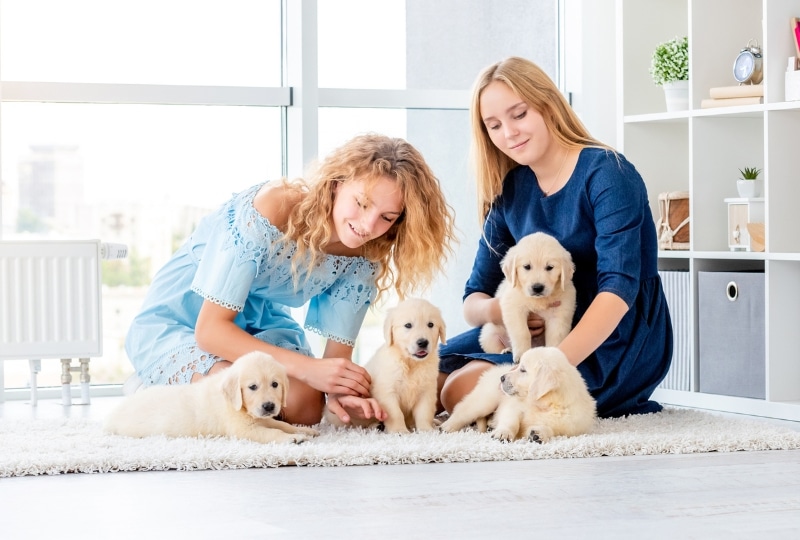
Bringing a puppy home is an exciting experience filled with joy, curiosity, and responsibility. However, ensuring your puppy grows into a healthy adult dog requires consistent attention, proper care routines, and informed decisions. Daily habits play a major role in shaping your puppy’s physical health, emotional stability, and long-term well-being.
At Pure Paws Veterinary Care of Hell’s Kitchen, we understand how important early care is for young dogs. Establishing strong routines from the beginning helps prevent future health issues and builds a strong bond between you and your pet. Proper guidance during the early stages is especially important for pet owners in busy urban environments, and many families begin their journey in New York.
Understanding the Importance of Daily Puppy Care
Daily care is the foundation of your puppy’s health. It includes feeding, grooming, exercise, training, and monitoring behavior. When done consistently, these habits reduce the risk of illness and support proper growth.
Moreover, puppies rely heavily on structure. They feel more secure when their daily routine is predictable. As a result, they develop better behavior patterns and stronger immunity.
Transitioning into a structured care routine early helps your puppy adapt smoothly to household life.
Balanced Nutrition for Healthy Growth
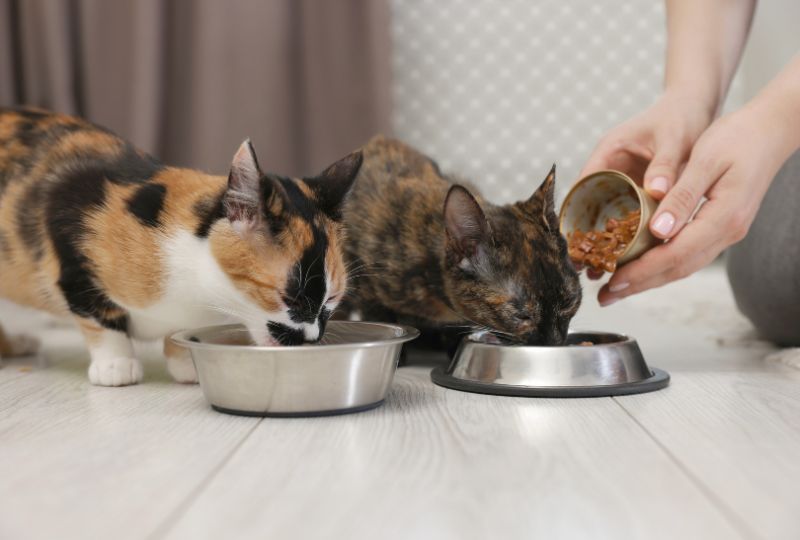
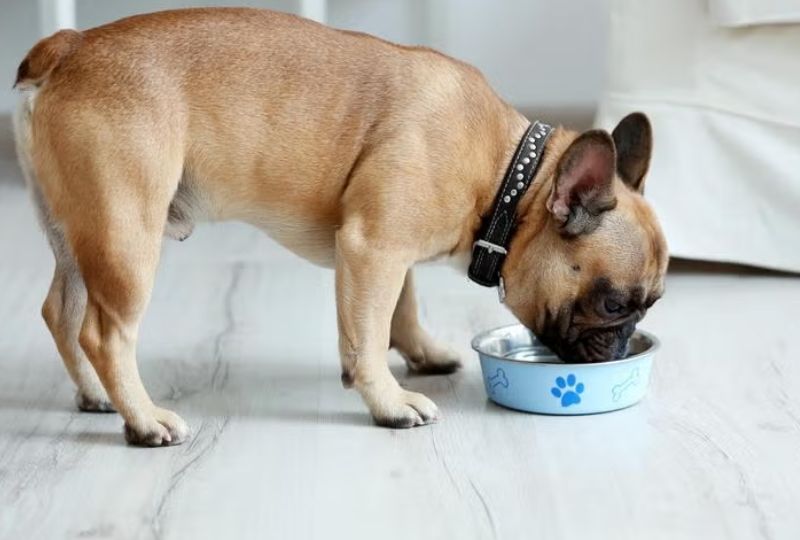
Nutrition plays a critical role in your puppy’s development. Feeding high-quality puppy food ensures they receive the essential nutrients required for strong bones, healthy muscles, and brain development.
Key feeding tips:
- Feed age-appropriate puppy food
- Maintain consistent meal times
- Avoid overfeeding or excessive treats
- Always provide clean, fresh water
Additionally, portion control is important. Overfeeding can lead to obesity, which may cause long-term health problems. On the other hand, underfeeding can slow growth and weaken immunity.
If you are unsure about diet choices, consult a veterinarian for personalized recommendations.
Daily Exercise and Physical Activity
Puppies have high energy levels and require regular physical activity to stay healthy. Exercise supports muscle development, improves digestion, and reduces behavioral problems caused by boredom.
Short walks, playtime, and interactive toys are excellent ways to keep your puppy active. However, avoid overexertion, especially in very young puppies whose joints are still developing.
Furthermore, exercise also supports mental stimulation, which is equally important for emotional balance.
Grooming and Hygiene Routine
Grooming is not just about appearance; it is essential for overall health. Regular brushing helps remove dirt, prevents matting, and allows you to check for skin issues such as ticks or rashes.
Basic grooming tasks include:
- Brushing the coat
- Cleaning ears
- Trimming nails
- Bathing when necessary
In addition, grooming sessions help you bond with your puppy and make them comfortable with handling, which is useful for future vet visits.
Proper hygiene practices are a key part of responsible puppy care, ensuring your pet stays clean and comfortable every day.
Training and Behavior Development
Training should begin early to help your puppy develop good behavior habits. Basic commands such as sit, stay, and come are essential for safety and communication.
Positive reinforcement works best. Reward good behavior with treats, praise, or affection. Avoid harsh discipline, as it may create fear and anxiety.
Consistency is key. When training is repeated daily, puppies learn faster and retain behaviors longer. This also helps prevent unwanted habits such as biting, chewing furniture, or excessive barking.
Veterinary Visits and Preventive Health
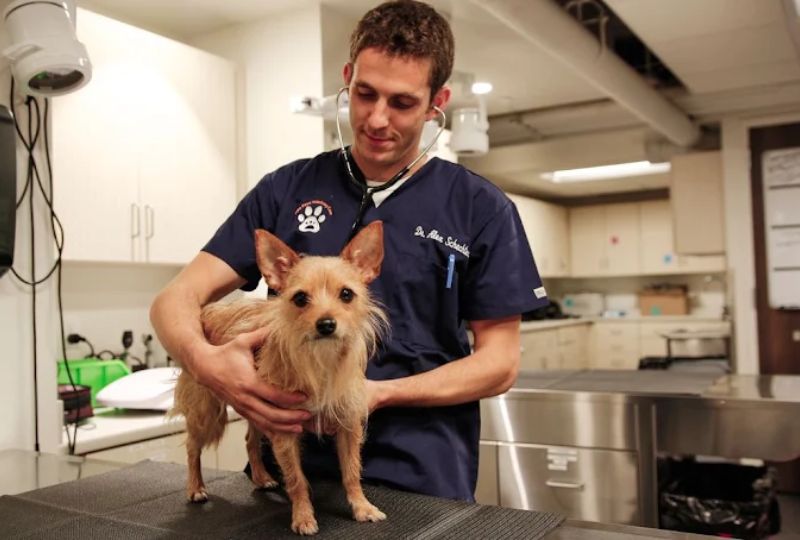
Regular veterinary check-ups are essential for monitoring your puppy’s growth and health. Vaccinations, parasite prevention, and early screenings help protect against common diseases.
Additionally, early detection of health issues allows for timely treatment, preventing complications later in life.
Preventive care should always be a priority, especially during the first year of development.
Socialization and Emotional Well-Being
Socialization is an important part of raising a well-adjusted puppy. Exposure to different people, environments, sounds, and other animals helps reduce fear and anxiety.
Start slowly and ensure experiences are positive. Gradually increase exposure as your puppy becomes more confident.
Moreover, socialization supports emotional stability and helps your puppy become friendly and adaptable in different situations.
Creating a Safe Living Environment
A safe environment is essential for your puppy’s well-being. Puppies are naturally curious and may explore dangerous areas if not supervised.
To ensure safety:
- Remove toxic plants and chemicals
- Secure electrical cords
- Keep small objects out of reach
- Use gates to restrict unsafe areas
A secure home environment reduces the risk of accidents and supports healthy exploration.
Urban Puppy Care Considerations
Raising a puppy in a busy city requires extra attention. Loud noises, crowded streets, and fast-paced surroundings can be overwhelming for young dogs.
Therefore, gradual exposure to outdoor environments is important. Short walks in calm areas help puppies adjust to city life more comfortably. With the right routine and patience, they can thrive even in a busy urban setting like New York.
Sleep and Rest for Healthy Development
Puppies need more sleep than adult dogs, often up to 18–20 hours per day. Proper rest supports brain development, immune function, and physical growth.
Ensure your puppy has a quiet, comfortable sleeping space. Avoid frequent disturbances during rest time, as this can affect their overall health.
A consistent sleep routine also helps regulate energy levels and behavior throughout the day.
Monitoring Health and Behavior Changes
Observing your puppy daily helps you notice early signs of illness or discomfort. Changes in appetite, energy levels, or behavior should never be ignored.
For example, sudden lethargy or loss of appetite may indicate underlying health issues. Early attention can prevent complications and ensure faster recovery.
This is why consistent monitoring is a key part of responsible pet ownership.
Building a Lifelong Healthy Routine
Establishing good habits early sets the foundation for a healthy adult dog. When nutrition, exercise, grooming, and training are combined effectively, your puppy develops into a strong and well-behaved companion.
Consistency and patience are essential. Over time, these daily efforts create long-term benefits for both you and your pet.
Proper puppy care is not just a short-term responsibility; it is a lifelong commitment that shapes your pet’s overall quality of life.
Raising a healthy puppy requires dedication, consistency, and informed daily care practices. From nutrition and exercise to grooming and training, every small effort contributes to your puppy’s long-term well-being.
For expert guidance and professional veterinary support, schedule an appointment with Pure Paws Veterinary Care of Hell’s Kitchen. Our team is committed to helping your puppy grow healthy, happy, and strong through every stage of life.
Frequently Asked Questions (FAQs)
1. How often should I follow a daily care routine for my puppy?
A daily care routine should be followed consistently every day, including feeding, exercise, grooming, and monitoring health for balanced development.
2. What is the most important part of daily puppy care?
Nutrition, regular exercise, and proper hygiene are the most important parts of daily puppy care to ensure healthy growth and development.
3. How can I tell if my puppy is healthy?
A healthy puppy has good energy levels, a healthy appetite, a shiny coat, normal bathroom habits, and active behavior.
4. Why is daily exercise important for puppies?
Daily exercise helps improve muscle strength, supports digestion, reduces boredom, and prevents behavioral issues.
5. How does Pure Paws Veterinary Care of Hell’s Kitchen help with puppy health?
Pure Paws Veterinary Care of Hell’s Kitchen provides expert veterinary guidance, preventive check-ups, and personalized care plans to support your puppy’s healthy growth.
6. When should I take my puppy to Pure Paws Veterinary Care of Hell’s Kitchen for a check-up?
You should bring your puppy for regular vaccinations, wellness exams, or anytime you notice unusual behavior, appetite changes, or signs of illness.