When you notice your cat is a little “rounder” than usual, it’s easy to shrug it off as a sign of a happy cat. However, just like with humans, being overweight or obese can lead to serious health problems in cats. Whether your feline friend is a little chunky or seriously overweight, you may be wondering: how long does it take for a fat cat to lose weight? In this post, we’ll dive into the factors that affect your cat’s weight loss journey and what you can do to help them achieve a healthier weight.
Understanding Your Cat’s Weight
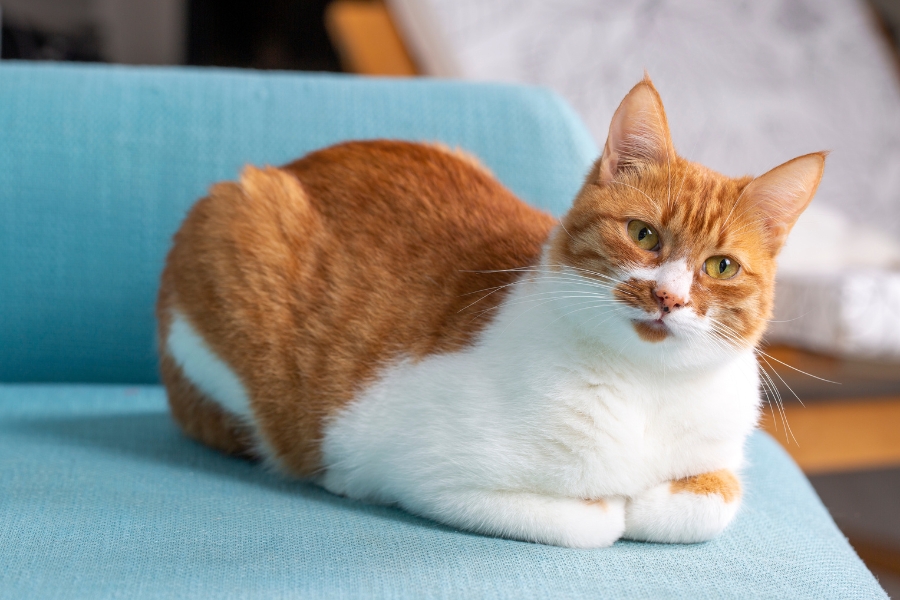
Before jumping into the specifics of weight loss, it’s important to first understand what is considered overweight for a cat. Most veterinarians use a Body Condition Score (BCS) system to assess your cat’s weight. On this scale, a healthy cat typically scores between 4-5 out of 9. Cats that score higher than 5 are considered overweight, while a score of 7 or more indicates obesity.
If your cat is overweight, it’s crucial to address it promptly. Overweight cats are at a higher risk for several health problems, such as diabetes, joint issues, heart disease, and a reduced quality of life. Therefore, it’s essential to act early and help your cat lose weight in a healthy, gradual manner.
Factors Affecting Weight Loss in Cats
There isn’t a one-size-fits-all answer to how long it takes a fat cat to lose weight. Several factors influence the speed at which your cat sheds pounds:
1. Starting Weight and Condition
The more overweight your cat is, the longer it may take for them to reach a healthy weight. Cats that are mildly overweight may lose weight more quickly than those that are significantly obese.
2. Age
Older cats tend to lose weight more slowly than younger cats. This is due to changes in metabolism and the fact that older cats may have a lower energy level, which affects their activity and fat burning.
3. Health Conditions
Certain health conditions, like hypothyroidism or arthritis, can hinder weight loss. Additionally, if your cat has underlying conditions that impact their metabolism, this can slow down the weight loss process.
4. Diet
The type of food you feed your cat and the portion sizes are crucial in weight management. A high-protein, low-carb diet is typically recommended for overweight cats. Feeding your cat smaller, more frequent meals can help regulate their metabolism.
5. Exercise and Activity
Just like in humans, exercise plays a vital role in a cat’s weight loss. Encouraging your cat to move more by using toys, engaging in playtime, and setting up climbing structures will help them burn more calories.
6. Consistency and Patience
Perhaps the most important factor is patience. Healthy weight loss, whether for humans or animals, happens gradually. Rapid weight loss can lead to health issues, including fatty liver disease. Gradual weight loss, typically around 1-2% of body weight per week, is considered safe and effective for cats.
How Long Does It Take for a Fat Cat to Lose Weight?
On average, it may take 4 to 6 months for a cat to achieve a healthy weight, depending on how much weight they need to lose. If your cat has a substantial amount of weight to lose, it could take up to 6-8 months to see significant progress. However, if your cat is mildly overweight, you might start noticing results in as little as 3-4 months.
This slow and steady approach ensures that your cat’s body can adjust without compromising their overall health. Rapid weight loss can lead to malnutrition, muscle loss, and other health complications.
Tips for Helping Your Cat Lose Weight
Now that you know the factors involved, let’s discuss the steps you can take to help your cat shed those extra pounds.
1. Consult Your Veterinarian
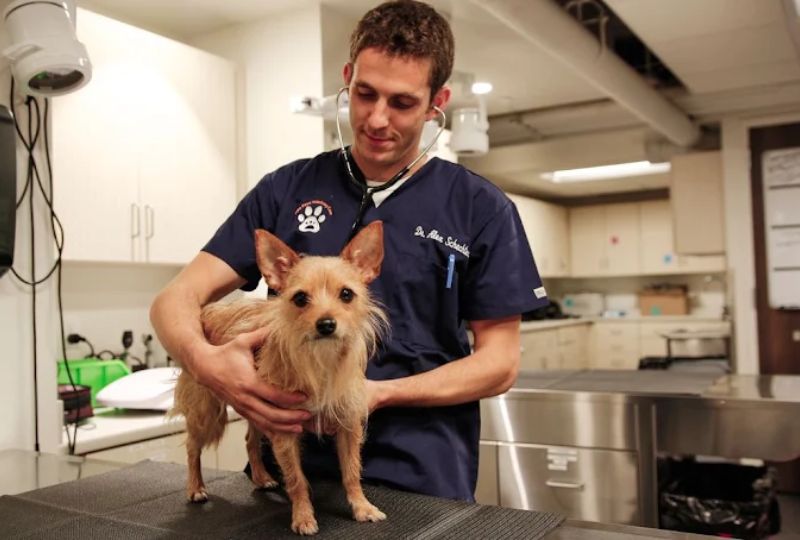
Before starting any weight loss plan, it’s important to consult your veterinarian. They can assess your cat’s current health, rule out any underlying medical conditions, and create a personalized weight loss plan. Your vet will also help monitor your cat’s progress and ensure that the weight loss is occurring at a healthy rate.
2. Switch to a High-Quality, Low-Calorie Diet
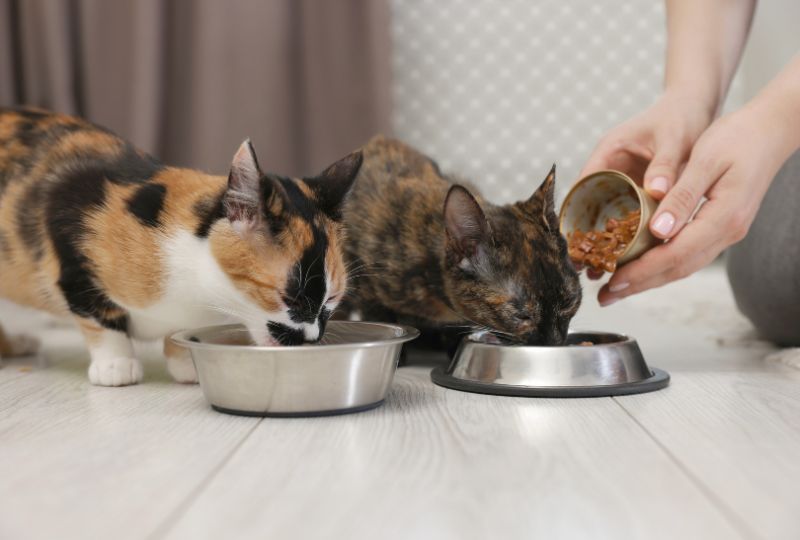
Feeding your cat a high-quality, nutritionally balanced diet designed for weight loss is key. Look for foods specifically formulated for overweight cats. These typically have fewer calories and higher protein content to help keep your cat full and satisfied while promoting fat loss. Make sure to measure your cat’s food carefully to avoid overfeeding.
3. Incorporate Regular Playtime and Exercise
Encouraging physical activity is essential for weight loss. Engage your cat in daily play sessions using interactive toys like laser pointers, feather wands, and balls. These activities help stimulate their natural hunting instincts while providing a good workout. You can also consider setting up a cat tree or scratching posts to encourage climbing and jumping.
4. Monitor Food Intake and Avoid Free-Feeding
Free-feeding, where food is left out all day, is one of the biggest contributors to overweight cats. Instead, feed your cat scheduled meals and control their portions. Stick to the feeding recommendations provided by your vet based on your cat’s ideal weight and calorie needs.
5. Provide Mental Stimulation
Boredom can lead to overeating. To prevent your cat from snacking out of boredom, try providing puzzle feeders or treat-dispensing toys that challenge them mentally. These can help slow down their eating while also engaging their brain.
In conclusion, helping your cat lose weight requires a combination of proper diet, exercise, and patience. A slow and steady weight loss approach is crucial for your cat’s health. Be sure to schedule regular follow-up visits with your veterinarian to monitor progress and ensure your cat stays on track. For more guidance, consider professional nutrition consultations and weight management plans designed specifically for your cat. Remember, a healthy cat is a happy cat, so take the first step toward a healthier future for your feline companion.
FAQs
Q1. How much should I feed my fat cat to help with weight loss?
Ans. The amount to feed your cat depends on their ideal weight and calorie needs. Consult your veterinarian for personalized recommendations.
Q2. Can my cat lose weight without exercise?
Ans. While diet is the most important factor, exercise plays a key role in helping your cat burn calories and maintain muscle mass.
Q3. Is it safe for a cat to lose weight quickly?
Ans. No, rapid weight loss can lead to health complications. Aim for a gradual weight loss of 1-2% of your cat’s body weight per week.
Q4. What is the best diet for an overweight cat?
Ans. A high-protein, low-calorie diet designed for weight loss is best. Your vet can help you choose the right food for your cat’s needs.
Q5. How can I track my cat’s weight loss progress?
Ans. Weigh your cat regularly and monitor their body condition. Your vet can help assess their progress and make adjustments to their plan.
Q6. What happens if my cat doesn’t lose weight?
Ans. If your cat is not losing weight despite following the plan, consult your vet to check for underlying health conditions or adjust the plan.