Fleas and ticks may be small, but the health issues they can cause can develop rapidly. What starts with minor itching can soon lead to skin infections, inflammation, or other illnesses. Since early signs of flea and tick problems in cats can be subtle, it’s important to stay vigilant to protect their comfort and health before serious complications arise.
Understanding Parasite Exposure
Fleas and ticks are external parasites that feed on blood and attach to a cat’s skin. Even indoor cats can be exposed to these pests, as they can be brought inside on shoes or clothing, or through interactions with other cats. Once inside a home, these parasites reproduce quickly, making control more challenging.
In urban areas like New York, the risk of exposure increases due to apartment buildings and nearby green spaces such as parks. Cats that sit near open windows or shared entry points might come into contact with these parasites without ever leaving their home environment.
Early Physical Warning Signs
The initial signs of cat flea and tick issues typically include changes in the skin and coat. While these signs may appear minor initially, they often signal ongoing irritation.
Common physical indicators include:
- Repeated scratching or biting at the skin
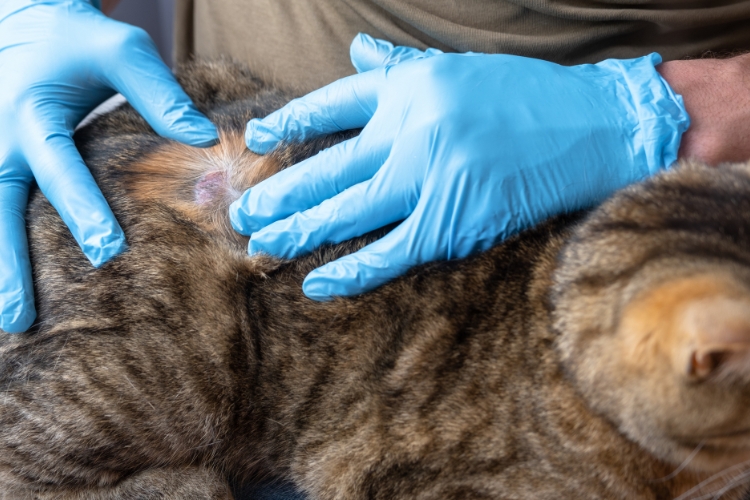
- Small scabs or redness, especially near the neck or tail base
- Patchy hair loss from excessive grooming
- Flea dirt appearing as tiny black specks in the coat
Ticks can feel like small, firm bumps on the skin, often near the ears, face, or between the toes. Cats groom themselves frequently, so signs of parasites might be removed before owners even notice them.
Certain breeds like Sphynx cats, with their exposed skin, tend to reveal irritation more easily. “In Sphynx cats, even mild flea or tick bites can lead to noticeable skin inflammation early, so routine checks are vital,” says Dr. Liff.
Behavioral Changes to Notice
Behavioral changes often appear before visible skin damage. Cat flea and tick irritation can alter daily habits and interactions.
Behavioral signs may include:
- Increased restlessness or agitation
- Sudden avoidance of being touched
- Excessive grooming focused on one area
- Hiding or withdrawal from everyday routines
These behaviors are sometimes confused with stress or personality changes. When skin alterations occur alongside these behaviors, parasites should be considered as a potential cause.
Domestic Shorthair and Longhair cats, common in households with multiple cats, may be particularly affected. “In Domestic Short and long-haired cats, subtle behavior changes such as over-grooming are often the initial signs of flea irritation,” explains Dr. Kurtzman.
Health Risks Beyond Itching
If left untreated, flea and tick problems in cats can lead to more serious health issues. Flea bites may cause allergic reactions, leading to intense itching and swelling that can prompt cats to scratch excessively. This persistent scratching can damage the skin, creating an entry point for bacterial infections.
Ticks may carry pathogens that can transmit disease, and although cats are less often affected than dogs, the risk remains. Severe flea infestations can also cause blood loss, leading to weakness, especially in kittens or smaller cats.
Certain breeds, such as Maine Coons, are more susceptible to the secondary effects of these parasites, as they are already prone to joint and heart conditions. The discomfort caused by fleas or ticks can disrupt their rest and hinder mobility, placing additional strain on their health. Dr. Liff says that “for larger breeds like Maine Coons, untreated irritation from these parasites can affect their movement and slow recovery from existing joint stress”.
Detection and Evaluation
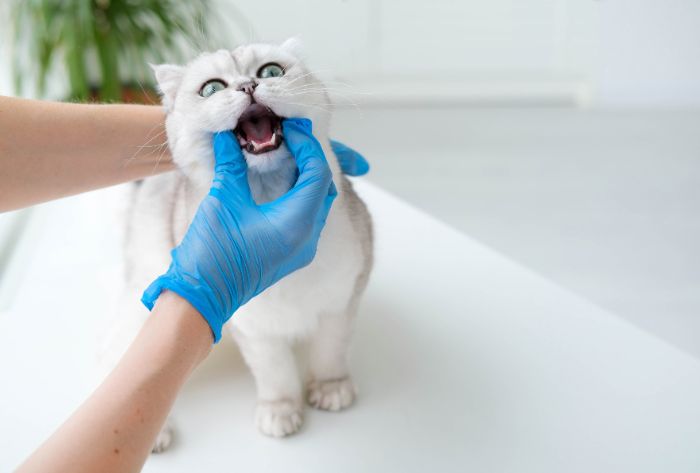
Early evaluation aims to confirm the presence of parasites and assess skin condition. Detecting cat fleas and ticks often requires careful examination rather than relying on obvious signs of infestation.
Evaluation may involve:
- Close inspection of the coat and skin
- Identification of flea dirt or attached ticks
- Assessment of inflammation or secondary infection
- Review of recent exposure and prevention history
Prevention and Ongoing Protection
Prevention remains the most effective approach to managing Cat flea and Tick risks. Once parasites establish themselves, treatment becomes more complex and time-consuming.
Consistent prevention includes:
- Year-round parasite control
- Routine coat checks during grooming
- Cleaning shared cat bedding and living areas
- Monitoring indoor cats despite limited outdoor exposure
A Proactive Care Approach
Early detection can make a significant difference in managing flea and tick problems on cats, as addressing these issues before skin damage or illness occurs is much easier. Monitoring subtle changes in grooming habits, behavior, and skin condition can help maintain your cat’s comfort and long-term health.
For cat owners seeking guidance, Pure Paws offers support in identifying early signs of parasite concerns and developing effective prevention plans. Regular visits to a veterinarian ensure your cat remains protected and comfortable year-round, providing peace of mind and fostering a healthier, happier life for your feline companion.
FAQs
Q1. Why does my cat scratch even when I don’t see fleas?
Ans. Fleas can be present in small numbers and still cause irritation. Cats often groom themselves, which may remove visible fleas, but skin reactions can persist due to saliva sensitivity or early infestation.
Q2. Can indoor cats really get fleas or ticks?
Ans. Yes. Fleas and ticks can be brought into homes via clothing, shoes, other cats, or shared areas within buildings. Indoor cats remain at risk, particularly in apartment buildings and households with multiple cats.
Q3. Where should I check first for ticks on my cat?
Ans. Ticks frequently latch onto areas like the ears, neck, face, under the collar, and between the toes. Since these spots are more difficult for cats to groom, it’s essential to check them thoroughly.
Q4. What does flea dirt look like on cats?
Ans. Flea dirt appears as tiny black specks in the coat, like ground pepper. When dabbed on a damp paper towel, it can leave a reddish-brown stain.
Q5. How quickly can flea infestations grow?
Ans. Fleas reproduce quickly, and a few can develop into a full infestation within days, particularly in warm indoor settings where eggs and larvae thrive.