Cats are naturally curious, so even indoor cats can occasionally escape unexpectedly. While collars might come off, microchips stay securely in place and serve as a permanent identification method. Microchipping increases the chances of a safe reunion if a cat goes missing, but some owners have concerns about safety, comfort, and possible long-term effects. It’s important to consider these factors carefully, knowing that microchipping is a dependable way to identify pets.
How Microchips Work In Cats?
Microchips are small devices implanted just beneath the skin, typically between a cat’s shoulder blades. These chips use radio-frequency identification rather than GPS tracking, and each one contains a unique number that links to the pet’s owner’s contact information stored in a secure database.
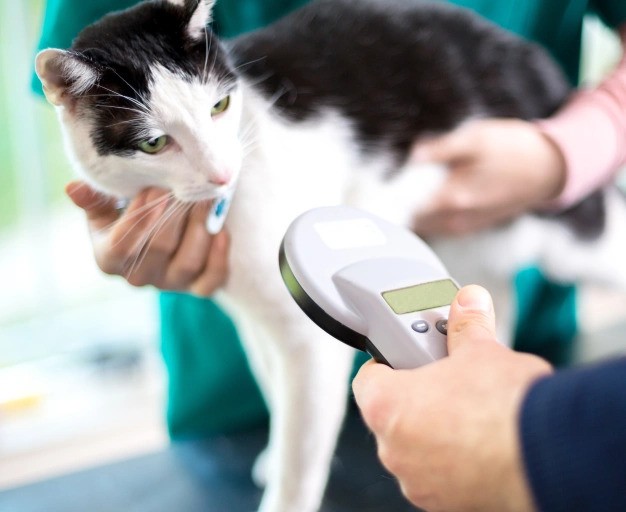
When a reader scans a microchip at a shelter or veterinary clinic, the number appears instantly, allowing quick identification of the pet and contact with the owner. This method has proven to be a reliable form of identification, especially in cities like New York, where the risks of escape are higher due to factors such as apartment living, fire escapes, and busy sidewalks.
Safety and Comfort During Implantation
Safety concerns frequently arise when owners consider having their cats microchipped. Although some people worry about potential risks, this procedure has been performed by many and is generally regarded as safe. The microchip itself is made from a biocompatible material that remains inactive within the body until it is scanned, helping minimize any adverse reactions.
Key safety facts include:
- The procedure does not require anesthesia
- Most cats show minimal discomfort
- The chip does not emit signals or heat
- Allergic reactions are infrequent
Cats usually go back to their normal activities right after. Mild soreness at the injection site may appear briefly, as with routine vaccinations, but serious complications are rare.
Common Microchipping Myths Explained Clearly
Misinformation can sometimes make owners hesitant about microchipping their cats. By thoughtfully addressing common myths, we can help pet owners feel more confident and well-informed when making decisions for their beloved cats.
Important clarifications include:
- Microchips do not track location
- Personal data is not stored on the chip
- Chips do not affect movement or behavior
- Microchips cannot be felt once healed
Long-Term Reliability and Identification
One of the main advantages of microchipping cats is its reliability since microchips cannot fall off, fade, or break as collars or tags might. Once implanted, the chip is intended to last the cat’s lifetime without requiring maintenance. The system’s effectiveness depends on owners regularly updating their contact information so that shelters and clinics can reach them quickly if needed. Routine scanning during check-ups helps ensure the chip remains readable and properly positioned, supporting consistent identification over the years.
Situations Where Microchips Matter Most
Unexpected situations highlight the value of cat microchipping. Microchips significantly improve reunion rates when cats are found without visible identification.
They are helpful during:
- Emergency evacuations
- Apartment moves or renovations
- Boarding or travel-related escapes
- Construction noise is causing flight responses
A Confident Choice for Cat Safety
Understanding the facts enables owners to make well-informed decisions. Microchipping cats remains highly recommended, as it offers a straightforward, safe, and reliable long-term solution in a single procedure.
For cat owners considering permanent identification, Pure Paws offers advice on microchipping and registration. Booking a visit helps ensure cats are protected with a secure, long-term ID method that provides peace of mind.
FAQs
Q1. Does microchipping cause pain for cats?
Ans. Microchipping feels like a routine injection. Most cats have little reaction during the procedure, and any brief soreness usually goes away quickly without affecting their movement, behavior, or daily activities afterward.
Q2. Can a microchip move after placement?
Ans. Minor movement may occur soon after implantation, but the chip typically stabilizes as the surrounding tissue develops, remaining secure and readable for the rest of the cat’s life.
Q3. Can a microchip be removed later if needed?
Ans. Removal is rarely needed. Microchips are meant to stay in place for life and usually don’t require removal.
Q4. Will airport or building scanners detect microchips?
Ans. No, microchips are very tiny and won’t set off metal detectors, security scanners, or building monitoring systems.
Q5. How often should a microchip be checked?
Ans. Microchips are typically checked during regular veterinary visits to ensure they remain readable and correctly placed under the skin.