Dogs cannot tell us when something hurts. Instead, they often communicate discomfort through changes in their behavior, routine, posture, or activity level. Unfortunately, these signs can be easy to overlook, especially when they develop gradually.
A dog experiencing pain may still eat, greet family members, and appear relatively normal. However, small differences can reveal that something is wrong. For example, your dog may become less playful, hesitate before climbing stairs, sleep differently, or react when touched. Recognizing these subtle changes can help you seek veterinary attention sooner. For dog owners in New York, understanding these warning signs can make it easier to respond when your companion’s behavior changes.
Understanding Urgent Pet Care
Urgent pet care may become necessary when behavioral changes occur suddenly, worsen quickly, or appear alongside other concerning symptoms. Pain can result from injuries, dental problems, arthritis, gastrointestinal issues, infections, and many other conditions.
Because dogs respond to pain differently, there is no single behavior that confirms discomfort. Instead, look for changes from your dog’s normal personality and routine.
The following signs deserve careful attention.
1. Your Dog Becomes Less Active
One of the most common signs of discomfort is a sudden reduction in activity.
Your dog may stop running around the house, lose interest in games, or take shorter walks. They may also spend more time resting.
While older dogs may naturally slow down, a noticeable change in activity can indicate pain or another health problem. Therefore, pay attention to changes that persist or continue to worsen.
2. Your Dog Hesitates Before Moving
Pain can make certain movements uncomfortable. As a result, your dog may hesitate before standing, jumping, climbing stairs, or getting into a vehicle.
You might notice your dog looking at the stairs before deciding not to use them. They may also take longer to get up after sleeping.
These small behaviors can provide valuable clues. If your dog repeatedly avoids movements they previously performed easily, discuss the change with your veterinarian.
3. Your Dog Changes Sleeping Habits
Pain can affect how comfortably a dog rests.
A dog experiencing discomfort may have difficulty finding a comfortable position. They may repeatedly get up, change positions, or sleep in unusual areas.
Alternatively, some dogs may sleep more than usual because activity has become uncomfortable.
Monitor changes in both sleep duration and sleeping position. If your dog’s normal sleeping routine changes significantly, consider contacting your veterinary team.
4. Your Dog Becomes Irritable
A normally friendly dog may become more sensitive when experiencing pain.
For example, your dog may growl when someone touches a painful area or become less tolerant of handling. They may also avoid interaction with children or other pets.
Do not punish your dog for these changes. Instead, recognize that unusual irritability can sometimes indicate discomfort.
Approach your dog calmly and avoid pressing or manipulating an area that appears painful.
5. Your Dog Withdraws From Family
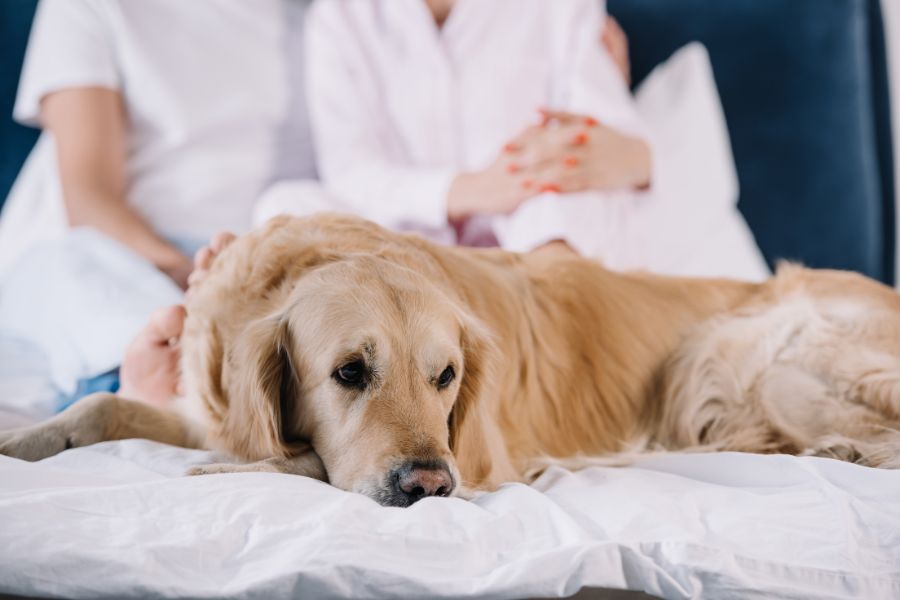
Some dogs respond to pain by becoming quieter or more withdrawn.
Your companion may stop following you around the home, avoid visitors, or spend more time alone. A dog that normally enjoys attention may suddenly prefer to rest by themselves.
Although occasional withdrawal can happen for many reasons, persistent isolation combined with other changes deserves attention.
6. Your Dog Licks or Chews One Area
Repeated licking, chewing, or scratching of a particular body area may indicate discomfort.
Dogs may focus on an area affected by an injury, skin irritation, joint problem, or another condition. However, excessive licking can also cause additional irritation.
If your dog repeatedly focuses on one area, inspect it without causing discomfort and contact your veterinarian if the behavior continues.
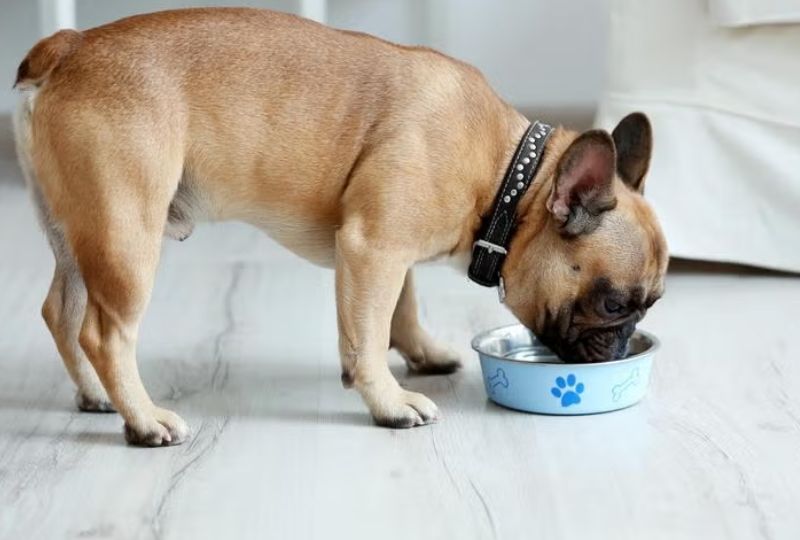
7. Your Dog Changes Eating Habits
Pain can sometimes affect appetite. A dog with dental discomfort, mouth pain, nausea, or another health issue may eat more slowly or lose interest in food.
You may notice your dog dropping food, chewing differently, refusing hard treats, or approaching the food bowl and then walking away.
Appetite changes should not automatically be attributed to behavior. Instead, consider them alongside other symptoms.
8. Your Dog Pants More Than Usual
Panting is normal after exercise or during warm weather. However, unexplained or excessive panting can sometimes accompany pain or distress.
Pay attention if your dog pants while resting, especially if the behavior appears alongside pacing, restlessness, trembling, or changes in posture.
If excessive panting develops suddenly or your dog appears distressed, seek veterinary guidance promptly.
9. Your Dog Changes Posture or Gait
Pain may affect how your dog stands and walks.
You might notice limping, stiffness, a hunched posture, reluctance to put weight on a leg, or difficulty getting up.
These changes can occur with joint problems, injuries, muscle issues, or other conditions.
Never force a painful dog to exercise. Instead, keep activity controlled and contact your veterinary team for guidance.
10. Your Dog Becomes Reluctant to Be Touched
Dogs experiencing pain may react differently when someone touches a sensitive area.
A dog that normally enjoys belly rubs may suddenly move away. Another dog may become tense when you touch their back, legs, ears, or mouth.
This reaction does not necessarily mean your dog has become aggressive. Pain can make even gentle handling uncomfortable.
Avoid repeatedly checking the painful area because doing so may increase stress or discomfort.
Other Warning Signs to Watch For
Behavioral changes become more concerning when they occur alongside physical symptoms.
Watch for:
- Vomiting or diarrhea
- Difficulty breathing
- Bleeding
- Severe weakness
- Swelling
- Sudden collapse
- Persistent crying or whining
- Difficulty standing
- Loss of coordination
- Pale or unusual-looking gums
- Severe or rapidly worsening pain
If these signs occur, contact a veterinary professional promptly.
Why Dogs Hide Pain
Dogs can instinctively hide signs of weakness. Consequently, obvious symptoms may not appear until a problem has progressed.
This makes changes in routine especially important. You know your dog’s normal personality, activity level, eating habits, and sleeping patterns better than anyone.
Therefore, even subtle differences can provide useful information for your veterinary team.
How Veterinarians Evaluate Pain
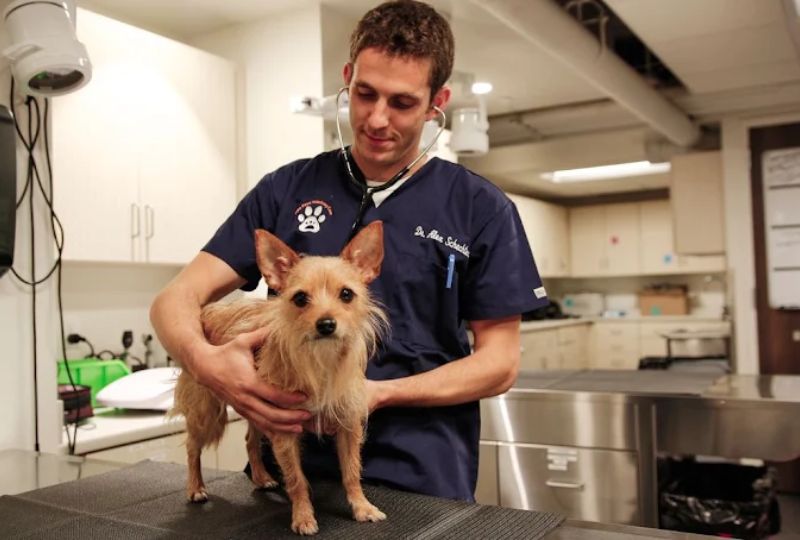
During an examination, your veterinarian will consider your dog’s medical history and current symptoms. They may assess posture, movement, joints, muscles, abdomen, mouth, and other areas depending on the suspected source of discomfort.
Additional diagnostic testing may be recommended when necessary. Depending on the situation, testing can help identify injuries, inflammation, dental problems, internal conditions, or other potential causes.
The treatment plan will depend on the underlying problem and your dog’s individual needs.
What Should You Do If Your Dog’s Behavior Changes?
Start by observing your dog without disturbing them. Take note of changes in eating, sleeping, walking, playing, grooming, and social behavior.
If possible, record a short video of unusual movements or behaviors. This information can help your veterinarian understand what happens at home.
Do not give your dog human pain medication unless your veterinarian specifically instructs you to do so. Some medications intended for people can be dangerous to pets.
When behavioral changes are sudden, severe, or accompanied by concerning physical symptoms, urgent pet care can help determine whether your dog needs immediate evaluation.
Conclusion
Your dog’s behavior can provide important clues about their health. Reduced activity, irritability, withdrawal, appetite changes, unusual panting, altered posture, and reluctance to be touched may indicate pain or another underlying concern.
Because dogs often hide discomfort, pet parents should take subtle changes seriously rather than waiting for obvious symptoms to appear.
If you’re in New York and looking for urgent pet care near you, schedule an appointment with Pure Paws Veterinary Care of Hell’s Kitchen. Our veterinary team can evaluate your dog’s condition, discuss your concerns, and recommend appropriate next steps. Call (917) 534-7838 to schedule an appointment.
Frequently Asked Questions
- How can I tell if my dog is in pain?
Common signs include reduced activity, reluctance to move, changes in sleeping habits, irritability, withdrawal, unusual panting, altered posture, appetite changes, and sensitivity to touch.
- Can a dog be in pain while still eating normally?
Yes. Dogs may continue eating despite discomfort, particularly during the early stages of a problem. Therefore, behavioral and physical changes should also be monitored.
- Should I take my dog to a veterinarian for sudden behavior changes?
Yes. Sudden or significant behavioral changes can indicate pain, illness, or injury. A veterinary examination can help determine the possible cause.
- What should I do if my dog suddenly cannot walk?
Keep your dog calm and avoid forcing them to move. Contact a veterinary professional promptly, particularly if the inability to walk develops suddenly or occurs with severe pain or weakness.
- How can Pure Paws Veterinary Care of Hell’s Kitchen help my dog?
Pure Paws Veterinary Care of Hell’s Kitchen can evaluate changes in your dog’s behavior, assess potential sources of pain, and recommend appropriate diagnostic or treatment options based on your pet’s needs.
- When should I contact Pure Paws Veterinary Care of Hell’s Kitchen?
Contact the veterinary team when you notice persistent changes in your dog’s behavior, appetite, mobility, or comfort. For sudden or severe symptoms, call (917) 534-7838 for guidance.