A urinary tract infection (UTI) is one of the most common health issues that affects dogs of all ages and breeds. Although some infections are mild, others can become serious if they are not treated promptly. Because dogs cannot tell us when they are uncomfortable, it is important for pet owners to recognize the early warning signs.
Fortunately, most UTIs respond well to treatment when diagnosed early. Therefore, knowing what symptoms to watch for can help protect your dog’s health and prevent complications.
In this guide, we’ll explain the first signs of a UTI in dogs, common causes, treatment options, and practical ways to reduce your pet’s risk of developing future infections.
What Is a Urinary Tract Infection in Dogs?
A urinary tract infection occurs when bacteria enter the urinary system and begin multiplying inside the bladder or urethra. While bacteria are the most common cause, other underlying conditions may also contribute to urinary problems.
The urinary tract includes:
- Kidneys
- Ureters
- Bladder
- Urethra
Most canine UTIs affect the lower urinary tract, particularly the bladder and urethra. However, if left untreated, the infection can spread to the kidneys and become much more serious.
What Are the First Signs of a UTI in Dogs?
Recognizing symptoms early allows your veterinarian to begin treatment before complications develop.
1. Frequent Urination
One of the earliest and most noticeable symptoms is frequent urination. Your dog may ask to go outside much more often than usual, even if only a small amount of urine is produced each time.
If your house-trained dog suddenly starts requesting extra bathroom breaks, it’s worth paying attention.
2. Straining to Urinate
Dogs with a UTI often struggle while urinating. They may squat repeatedly without producing much urine.
This discomfort can sometimes be mistaken for constipation, so observing your dog’s bathroom habits carefully is important.
3. Accidents Inside the House
Even well-trained dogs may begin having accidents indoors when they develop a urinary tract infection.
This behavior usually occurs because they cannot comfortably hold their urine, not because they have forgotten their training.
4. Blood in the Urine
Blood-tinged urine is another warning sign that should never be ignored.
The urine may appear:
- Pink
- Red
- Rust-colored
- Brownish
Even small amounts of blood warrant a prompt veterinary examination.
5. Strong or Unusual Urine Odor
Healthy dog urine typically has only a mild smell.
If your dog’s urine suddenly develops a strong, foul, or unusual odor, bacteria may be present in the urinary tract.
6. Excessive Licking of the Genital Area
Dogs naturally groom themselves. However, frequent licking around the urinary opening may indicate irritation or discomfort caused by infection.
This behavior often accompanies other urinary symptoms.
7. Signs of Pain or Discomfort
A dog with a UTI may:
- Whine while urinating
- Appear restless
- Show discomfort when touched near the abdomen
- Become reluctant to urinate
Pain should always be evaluated by a veterinarian.
8. Changes in Behavior
Sometimes the earliest symptom isn’t physical.
Instead, your dog may become:
- Less active
- Irritable
- Tired
- Less interested in eating
Behavioral changes often signal that something isn’t right.
What Causes UTIs in Dogs?
Several factors can increase a dog’s risk of developing a urinary tract infection.
Common causes include:
- Bacterial infections
- Bladder stones
- Diabetes
- Hormonal disorders
- Weakened immune system
- Urinary retention
- Congenital urinary abnormalities
Female dogs generally develop UTIs more often because they have shorter urethras, making it easier for bacteria to enter the bladder.
Which Dogs Are Most at Risk?
Although any dog can develop a UTI, certain pets have a higher risk.
These include:
- Senior dogs
- Female dogs
- Dogs with diabetes
- Dogs with bladder stones
- Dogs with kidney disease
- Dogs taking immune-suppressing medications
Routine wellness exams help identify these risk factors before they lead to more serious problems.
How Veterinarians Diagnose a UTI
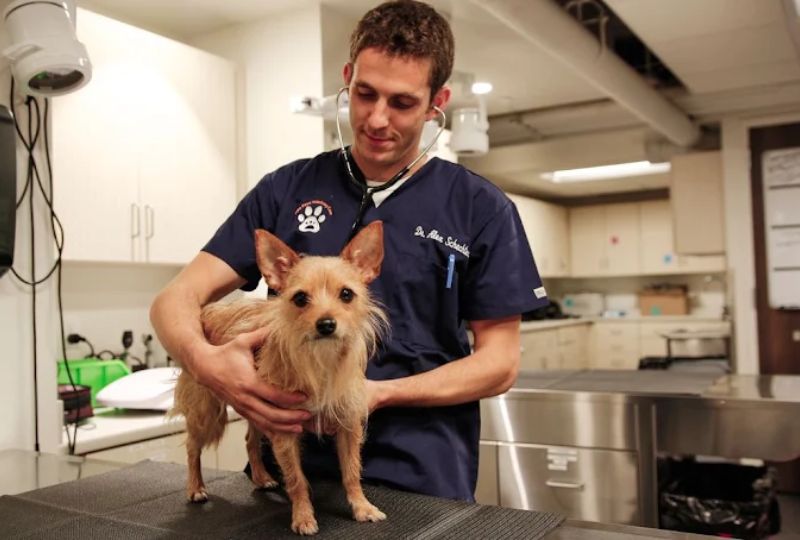
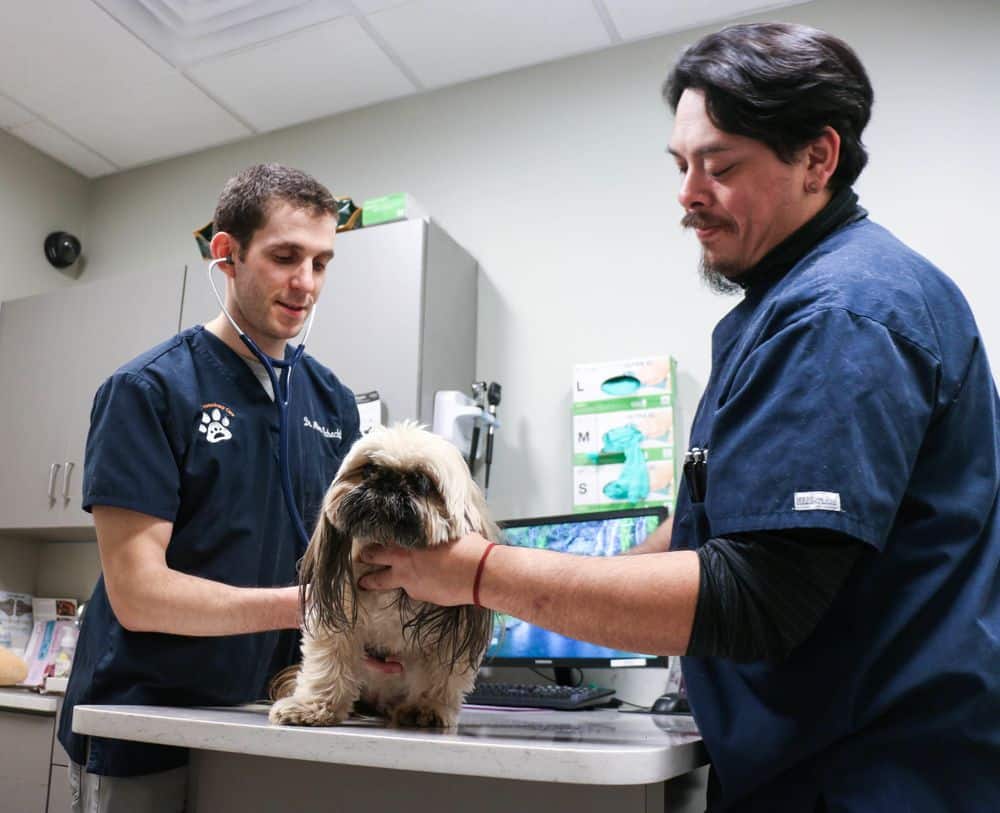
Your veterinarian will begin with a complete physical examination and discuss your dog’s symptoms.
Diagnostic testing may include:
Urinalysis
A urinalysis evaluates:
- Bacteria
- White blood cells
- Blood
- Crystals
- Urine concentration
Urine Culture
A urine culture identifies the exact bacteria causing the infection and determines which antibiotic will be most effective.
Additional Testing
If infections occur repeatedly, your veterinarian may recommend:
- Blood work
- X-rays
- Ultrasound
- Additional urinary tract imaging
These tests help identify underlying medical conditions.
How Are UTIs in Dogs Treated?
Treatment depends on the severity and underlying cause of the infection.
Most dogs receive:
- Prescription antibiotics
- Pain medication if needed
- Increased water intake recommendations
- Follow-up urine testing
It is extremely important to complete the full course of antibiotics, even if symptoms improve after several days.
Stopping medication too early can allow bacteria to return.
Can UTIs Be Prevented?
While not every infection can be prevented, several healthy habits reduce the risk.
Encourage Water Intake
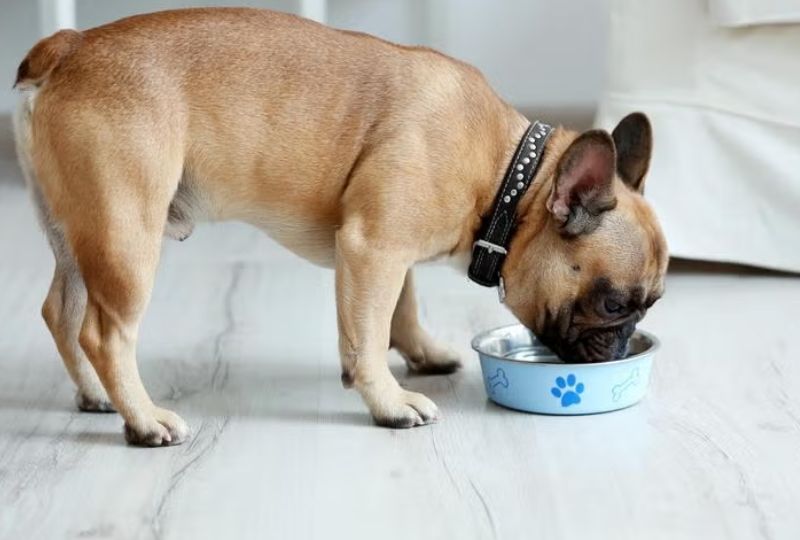
Fresh water helps flush bacteria from the urinary tract.
Always provide clean water throughout the day
Provide Frequent Bathroom Breaks
Holding urine for long periods gives bacteria more time to multiply.
Allow your dog regular opportunities to urinate.
Maintain Good Hygiene
Keeping the genital area clean may reduce bacterial buildup, especially in long-haired breeds.
Feed a Balanced Diet
Proper nutrition supports immune health and overall urinary function.
Ask your veterinarian about diets formulated for urinary health if your dog has experienced previous infections.
Schedule Routine Wellness Exams
Preventive veterinary visits allow urinary problems to be detected before symptoms become severe.
Regular exams are especially important for senior dogs and pets with chronic health conditions.
When Should You Contact a Veterinarian?
Contact your veterinarian immediately if your dog:
- Has blood in the urine
- Cannot urinate
- Cries while urinating
- Develops repeated accidents
- Has a fever
- Becomes lethargic
- Stops eating
Prompt treatment greatly improves recovery and helps prevent kidney infections or urinary blockages.
Understanding the first signs of a UTI in dogs allows you to act quickly when something seems wrong. Frequent urination, straining, accidents in the house, blood in the urine, and unusual urine odor are all signs that should never be ignored.
Early diagnosis and treatment can relieve your dog’s discomfort, prevent complications, and support a faster recovery.
If your dog is showing signs of a urinary tract infection, schedule an appointment with Pure Paws Veterinary Care of Hell’s Kitchen. Our experienced veterinary team provides comprehensive exams, diagnostic testing, and personalized treatment plans to help your pet feel better as quickly as possible.
Frequently Asked Questions
- What is usually the first sign of a UTI in dogs?
Frequent urination is often the earliest sign. Your dog may ask to go outside more often or produce only small amounts of urine each time.
- Can a dog recover from a UTI without antibiotics?
Most bacterial UTIs require prescription antibiotics. Without treatment, the infection can worsen or spread to the kidneys.
- How long does it take for a dog to recover from a UTI?
Many dogs begin feeling better within a few days of starting antibiotics, but the full course of medication should always be completed as prescribed.
- Are female dogs more likely to develop UTIs?
Yes. Female dogs have a shorter urethra, making it easier for bacteria to reach the bladder and cause infection.
- How can I help prevent UTIs in my dog?
Provide fresh water, allow frequent bathroom breaks, maintain good hygiene, feed a balanced diet, and schedule regular veterinary checkups.
- Why should I choose Pure Paws Veterinary Care of Hell’s Kitchen for my dog’s urinary health?
Pure Paws Veterinary Care of Hell’s Kitchen offers comprehensive wellness care, advanced diagnostic testing, and compassionate treatment to diagnose urinary tract infections early and keep your dog healthy and comfortable.