One of the most important parts of raising a happy, confident dog is early puppy socialization. Many new dog owners wait too long to introduce their puppy to new experiences, sounds, people, and environments, which can lead to fear and behavioral issues later in life.
In this guide, we’ll explain when to start puppy socialization, why it matters, and practical puppy socialization tips for new owners. Whether you’re raising a puppy in Hell’s Kitchen, New York City, or anywhere else, early puppy care and socialization help your dog grow into a calm, well-adjusted companion.
What is Puppy Socialization?
Puppy socialization is the process of safely exposing your puppy to different people, animals, environments, sounds, and experiences during their early developmental stages.
The goal is to help puppies feel comfortable and confident in everyday situations instead of fearful or anxious.
Socialization includes exposure to:
- Different types of people
- Other vaccinated dogs
- Busy sidewalks and traffic
- Household noises
- Grooming and handling
- Car rides
- New surfaces and environments
For puppies growing up in New York City, socialization is especially important because city life can be overwhelming without early exposure.
When Should Puppy Socialization Start?
The ideal time to begin puppy socialization is between 3 and 14 weeks of age. This period is often called the “critical socialization window” because puppies are naturally more open to new experiences during this stage.
Waiting too long can make puppies more fearful and reactive as they grow older.
Why Early Socialization Matters
During the first few months of life, puppies are constantly learning what is safe and normal. Positive experiences during this stage can help prevent:
- Fear-based aggression
- Anxiety
- Excessive barking
- Separation anxiety
- Nervousness around strangers
- Leash reactivity
Even simple daily experiences can shape your puppy’s long-term behavior.
Is It Safe to Socialize Puppies Before Full Vaccination?
Socializing is one of the most common concerns for new owners. While puppies should not visit high-risk areas before completing vaccinations, controlled, safe socialization remains extremely important.
Veterinarians generally recommend balancing socialization with disease prevention.
Safe Puppy Socialization Ideas Before Full Vaccination
- Invite healthy vaccinated friends to visit
- Carry your puppy through busy streets
- Introduce household sounds gradually
- Schedule supervised playdates with vaccinated dogs
- Visit clean environments with low dog traffic
- Practice handling paws, ears, and mouth gently
In neighborhoods like Hell’s Kitchen, crowded sidewalks and dog-heavy parks can increase exposure risks. Controlled experiences are usually safer than unrestricted public interactions for very young puppies.
Puppy Socialization Tips for New Owners
Many first-time dog owners feel unsure about how to socialize a puppy properly. The key is creating positive experiences without overwhelming your puppy.
Start Small and Stay Positive
Introduce one new experience at a time. Loud noises, busy crowds, or too many dogs at once can feel intimidating.
Use treats, praise, and calm encouragement to create positive associations.
Focus on Everyday Experiences
Your puppy should become comfortable with:
- Doorbells
- Vacuum cleaners
- Elevators
- Car horns
- Children
- People wearing hats or uniforms
- Grooming tools
- Veterinary handling
These experiences may seem small, but they help puppies adapt to real life.
Keep Socialization Sessions Short
Young puppies tire quickly. Short, positive sessions are far more effective than long, stressful outings.
Aim for:
- 5–15 minute exposures
- Calm environments at first
- Plenty of rest afterward
Let Puppies Observe Safely
Your puppy doesn’t need to interact directly with every person or dog they see. Sometimes, calmly watching from a safe distance is enough.
Common Puppy Socialization Mistakes
Even caring pet owners can accidentally make socialization harder by moving too quickly or exposing puppies to stressful situations.
Forcing Interactions
Never force a puppy to greet people or dogs if they seem nervous. Fearful experiences can create lasting anxiety.
Allow puppies to approach at their own pace.
Skipping Socialization Entirely
Some owners avoid socialization until vaccinations are complete. Unfortunately, this often misses the critical learning window.
Safe exposure is usually better than total isolation.
Overwhelming the Puppy
Crowded dog parks, loud events, or chaotic streets can overstimulate young puppies.
Watch for signs of stress such as:
- Trembling
- Tail tucked
- Hiding
- Excessive panting
- Refusing treats
If your puppy seems overwhelmed, calmly remove them from the situation.
How City Life Affects Puppy Socialization
Raising a puppy in New York City comes with unique challenges and opportunities.
Puppies in Hell’s Kitchen are exposed to:
- Sirens
- Heavy traffic
- Crowded sidewalks
- Apartment elevators
- Construction noise
- Busy parks
Without early exposure, these sounds and situations may become frightening later.
Helpful Urban Socialization Experiences
- Walking near traffic at a safe distance
- Riding elevators calmly
- Hearing subway sounds
- Visiting pet-friendly cafés
- Meeting calm strangers
- Practicing leash walking on sidewalks
City puppies often benefit from structured socialization plans to help them feel secure in busy environments.
Why Puppy Classes Can Help
Puppy training and socialization classes offer safe, supervised opportunities for learning.
A quality puppy class helps with:
- Basic obedience
- Confidence building
- Positive dog interactions
- Handling distractions
- Owner education
Look for classes that:
- Require vaccination records
- Use positive reinforcement
- Separate puppies by size or play style
- Focus on calm behavior
Group classes also help new owners learn practical puppy socialization tips from trainers and veterinarians.
The Role of Veterinary Visits in Socialization
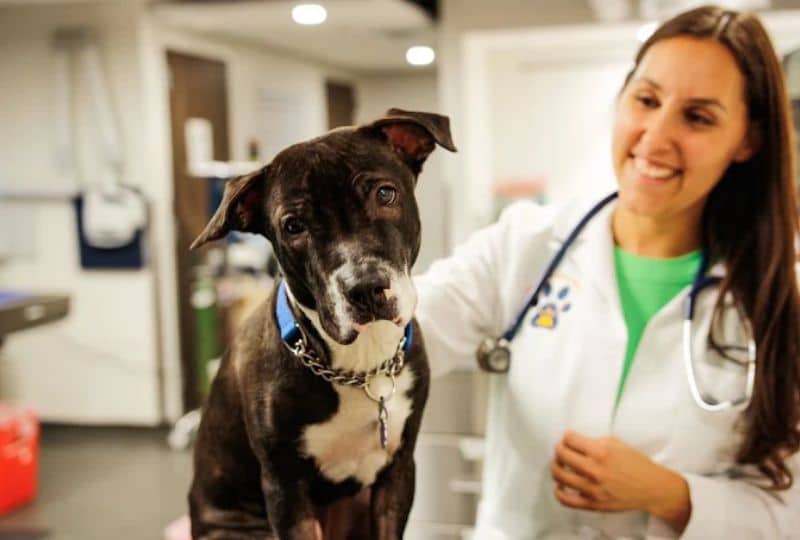
Veterinary visits are an important part of puppy socialization. Puppies who only visit the vet when sick may develop fear or anxiety about medical care.
Early positive visits help puppies become comfortable with:
- Being handled
- Meeting veterinary staff
- Standing on exam tables
- Hearing medical equipment
Some veterinary clinics encourage “happy visits,” where puppies stop by for treats and gentle attention without procedures.
Pure Paws Veterinary Care works with pet owners to create positive veterinary experiences that support healthy puppy development from an early age.
Signs Your Puppy is Becoming Well Socialized
A well-socialized puppy doesn’t need to love every situation, but they should recover quickly from new experiences and remain curious instead of fearful.
Positive Signs Include:
- Relaxed body language
- Willingness to explore
- Curiosity around new people
- Calm recovery after surprises
- Comfortable leash walking
- Confidence in different environments
Socialization is an ongoing process that continues into adolescence and adulthood.
How Long Should Socialization Continue?
Although the critical socialization window happens early, social learning should continue throughout your dog’s life.
As puppies grow, continue exposing them to:
- New environments
- Different people
- Car rides
- Training exercises
- Calm dog interactions
Consistent positive experiences help reinforce confidence and good behavior long term.
Get Help With Socializing Your Puppy
Starting puppy socialization early is one of the best things new dog owners can do for their puppy’s emotional and behavioral development. The first few months of life play a major role in shaping how puppies respond to the world around them.
By following safe puppy socialization tips for new owners, gradually introducing positive experiences, and working closely with a veterinarian, you can help your puppy grow into a confident and well-adjusted adult dog.
If you recently welcomed a puppy into your home in Hell’s Kitchen, New York City, book an appointment with Pure Paws Veterinary Care in Hell’s Kitchen. Our trusted veterinary team will build a healthy socialization and wellness plan for your new companion.
FAQs
Q1: When should puppy socialization begin?
Puppy socialization should ideally begin between 3 and 14 weeks of age, during the critical developmental period when puppies are most open to new experiences.
Q2: Can I socialize my puppy before vaccinations are complete?
Yes, safe and controlled puppy socialization is recommended before full vaccination, provided high-risk environments are avoided.
Q3: What are the best puppy socialization tips for new owners?
Start with short, positive experiences; introduce new sounds and people gradually; reward calm behavior; and avoid overwhelming your puppy.
Q4: Is puppy socialization important for apartment dogs?
Yes, apartment and city dogs especially benefit from puppy socialization because they encounter elevators, crowds, traffic, and urban noise daily.
Q5: What happens if puppies are not socialized early?
Poor socialization can lead to anxiety, fearfulness, aggression, excessive barking, and behavioral challenges later in life.